The editorial decisions at CBS have drawn significant scrutiny, particularly regarding their treatment of stories related to political and human rights issues. Recent actions by the network have raised concerns about censorship and the suppression of critical narratives, particularly those involving the United States’ foreign policies and their implications for countries like El Salvador.
The concept of “manufactured consent,” originally put forth by Noam Chomsky and Ed Herman in the 1980s, describes how media can serve as a tool for propaganda in support of prevailing political systems. In the United States, this notion appears to manifest in the media’s portrayal of foreign conflicts, notably the Israeli-Palestinian situation, where voices advocating for Palestinian rights have been largely sidelined.
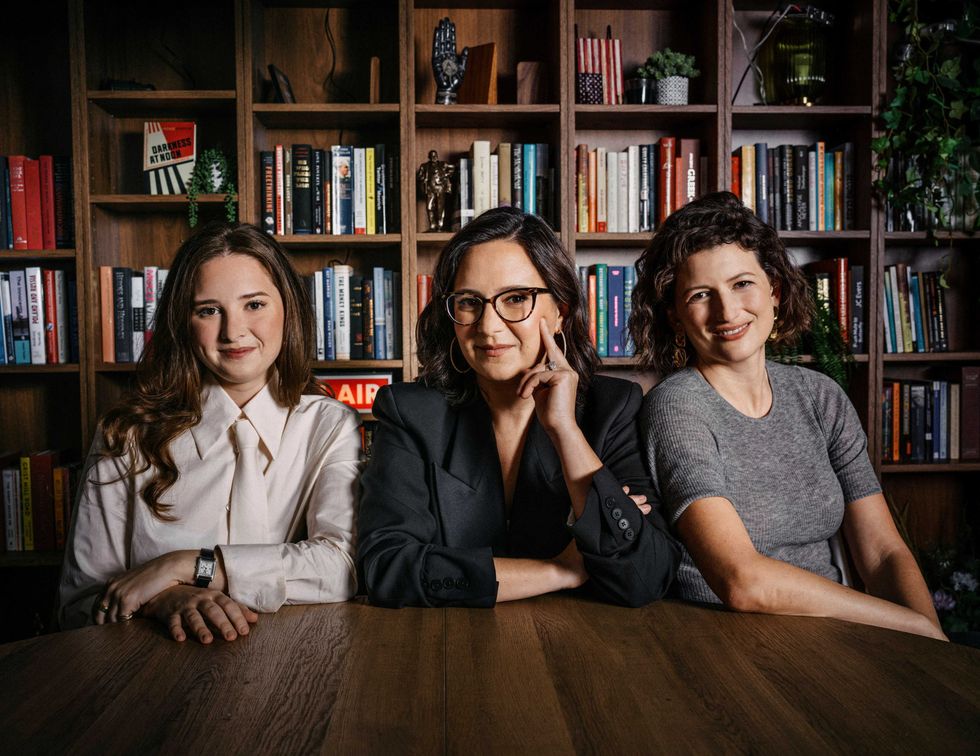
Under the editorial leadership of Bari Weiss, CBS has faced accusations of systematically prioritizing narratives that align with the interests of the Trump administration and the Israeli government. A recent instance involved the cancellation of a segment by journalist Sharyn Alfonsi that explored the harsh realities within the Terrorism Confinement Center (CECOT) in El Salvador. The piece was reportedly pulled at the last moment due to concerns about achieving a balanced perspective, despite efforts to include multiple viewpoints in the discussion.
Critics argue that CBS’s editorial choices reflect a broader trend of aligning media narratives with governmental agendas. According to Jeffrey St. Clair from CounterPunch, “CBS under Weiss may be worse than Fox News,” suggesting that many viewers still perceive CBS as a credible news source. This perception complicates the issue of accountability in media reporting.
The retraction of Alfonsi’s report has drawn further attention as it coincides with a noticeable shift in U.S. State Department rhetoric regarding human rights. Since late summer, the department has notably softened its criticism of both Israel and El Salvador, a change that many believe aligns with the editorial stance of CBS.
Alfonsi’s investigation into CECOT, which has been condemned by organizations such as Human Rights Watch and Amnesty International for its deplorable conditions, aimed to shed light on the treatment of detainees deported from the U.S. to this facility. The report was leaked online after being rejected by CBS, highlighting the ongoing concerns about transparency and journalistic integrity within the network.
Critics have pointed to Weiss’s history as an editor, including her resignation letter from the New York Times in 2020, where she cited “self-censorship” as a significant issue in media. In a separate column, she lamented what she perceived as a leftist threat to free speech, framing her arguments in a manner that some see as facilitating the very censorship she claims to oppose.
The implications of CBS’s editorial decisions extend beyond mere journalism. Analysts have argued that the network’s choices contribute to a culture of forgetting and silence regarding significant geopolitical issues.
In a broader context, the U.S. is grappling with its own political freedoms, ranked 57th globally by Freedom House. These rankings reflect a concerning trend in political discourse and media freedom in the country.
As the situation continues to evolve, the debate over media responsibility and the role of corporate influence in journalism remains critical. The actions of CBS under Weiss highlight the ongoing struggle for independent reporting in an age where narratives are often shaped by powerful interests.
Historian and journalist Daniel Falcone emphasizes the need for vigilance in media consumption, particularly when it comes to understanding the complex interplay between state power and corporate media. As the public engages with these issues, the call for accountability in journalism grows louder, underscoring the importance of diverse and truthful narratives in the media landscape.