Beijing has implemented a ban on exports to Japan that could potentially serve military purposes, marking a significant escalation in ongoing tensions over Taiwan. The move comes as the relationship between the two nations has grown increasingly strained, particularly in light of China’s assertive stance regarding the self-governing island.
The Ministry of Commerce of the People’s Republic of China announced the export restrictions on December 14, 2023. The ban specifically targets materials that could be utilized in military applications, raising concerns in Japan about the potential implications for regional security. This action represents a direct response to Japan’s increasing support for Taiwan, which China views as a breakaway province.
Impact on Regional Relations
This decision by China is poised to have significant ramifications for bilateral relations. Japan has been vocal in its commitment to supporting Taiwan, particularly in the context of growing military threats from China. The Japanese government has expressed concerns regarding China’s military expansion and its implications for stability in East Asia.
Japanese officials are now evaluating the consequences of this export ban on their national defense capabilities. The materials affected by the ban are critical for various industries, including technology and manufacturing, which underscores the potential economic implications as well.
According to analysts, this latest move may further exacerbate tensions between China and Japan, already strained due to historical grievances and maritime disputes in the East China Sea. The situation is complicated by the broader geopolitical landscape, as the United States and other allies have reaffirmed their support for Taiwan, further aggravating China’s sensitivities.
Global Reactions and Future Considerations
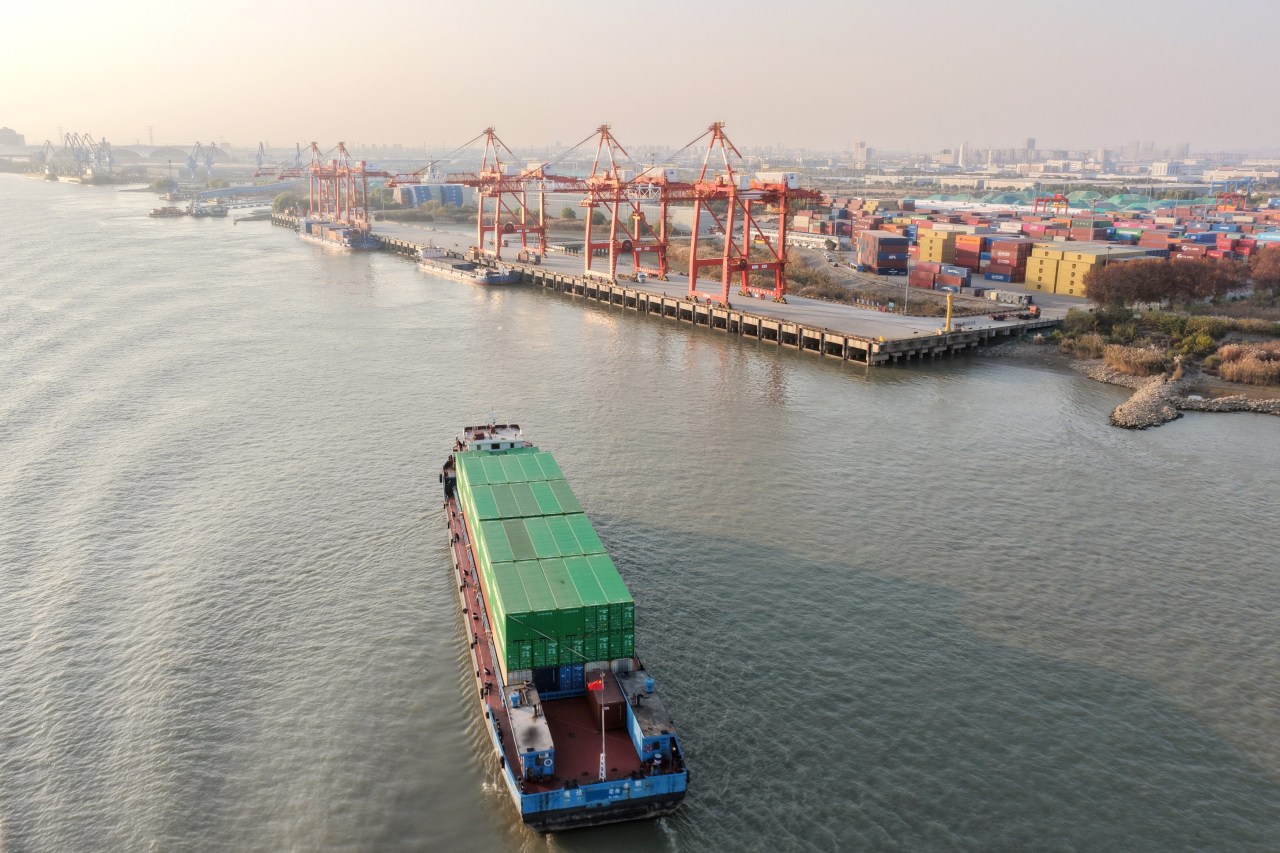
International responses to China’s export ban have been swift. Various nations, particularly those in the Asia-Pacific region, are closely monitoring the developments. Concerns about the implications for global supply chains and trade dynamics are prevalent, as many countries depend on materials that fall under the newly restricted categories.
The situation raises questions about the future of trade relations between China and Japan, as well as the potential for further retaliatory measures. Japan’s government is expected to convene discussions with industry leaders to assess the full impact of the ban and explore alternative sourcing options.
In conclusion, this export ban is not merely a trade issue; it signifies a deeper geopolitical struggle. As tensions escalate, the international community will be watching closely to gauge the potential fallout and the future of peace and stability in the region.