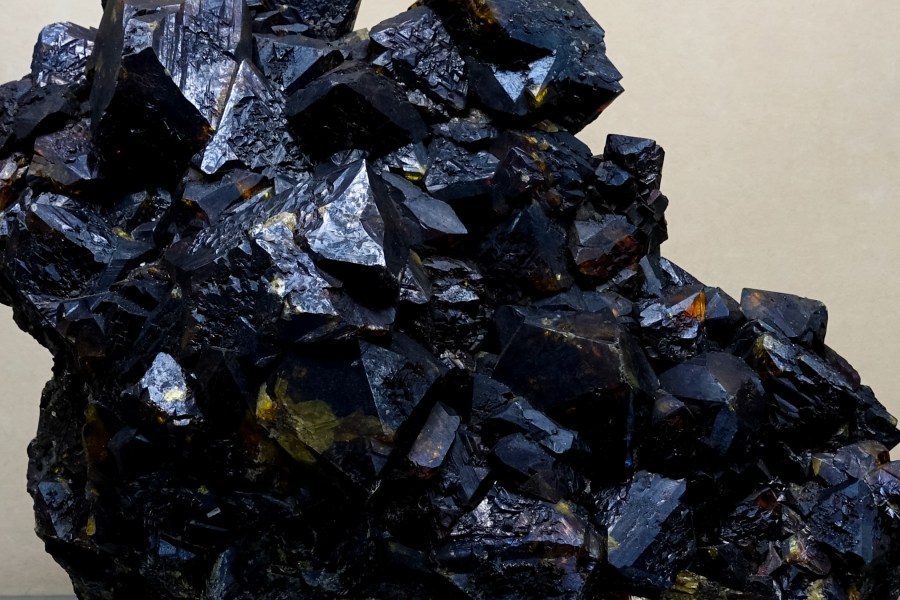
China’s grip on the global rare earth materials market is increasingly under scrutiny as the country faces challenges from international competitors. While data suggests that China accounts for approximately 60% of the world’s production of rare earth elements (REE), its actual influence may not be as unassailable as it appears.
The rare earth market, which includes 17 elements essential for various high-tech applications, has long been dominated by Chinese production. In March 2023, the United States and the European Union announced plans to increase collaboration on rare earth supply chains to reduce their dependence on Chinese imports. This shift reflects a growing recognition of the strategic importance of these materials, which are crucial for technologies ranging from smartphones to renewable energy systems.
International Responses to China’s Dominance
In recent years, several countries have ramped up efforts to secure their own rare earth supplies. Australia, for example, has invested in expanding its mining operations, aiming to position itself as a reliable alternative to Chinese sources. The Australian government announced a $1.2 billion investment in rare earth projects in late 2022, signaling its commitment to diversifying global supply chains.
Japan is also taking steps to bolster its rare earth capabilities. In December 2022, the Japanese government revealed plans to collaborate with Australian firms to develop new extraction techniques for rare earths, further reducing reliance on Chinese products. This cooperation highlights a strategic pivot among nations that were once heavily dependent on China.
Despite these efforts, China’s significant resource reserves and established supply chains pose ongoing challenges for competitors. Analysts suggest that while the Chinese government has implemented export restrictions to maintain its market edge, such measures may ultimately backfire. As other countries ramp up production, China’s dominance could be eroded.
The Future of the Rare Earth Market
Looking ahead, the rare earth market is likely to experience increased volatility. The geopolitical landscape is shifting, with nations prioritizing self-sufficiency in critical materials. The U.S. has also initiated discussions with partners in Southeast Asia to explore potential collaborative efforts in rare earth development, further challenging China’s longstanding hold on the market.
The demand for rare earths is expected to rise significantly as industries transition to green technologies. According to the International Energy Agency (IEA), the demand for these elements could surge by as much as 50% over the next decade, driven by the electric vehicle market and renewable energy technologies. This growing demand could incentivize more countries to invest in their own rare earth production capabilities.
While China remains a dominant player in the rare earth market, its power is increasingly contested by a coalition of nations seeking to secure their own supplies. As the global landscape evolves, the dynamics of the rare earth sector will continue to shift, potentially diminishing China’s influence in the long term.