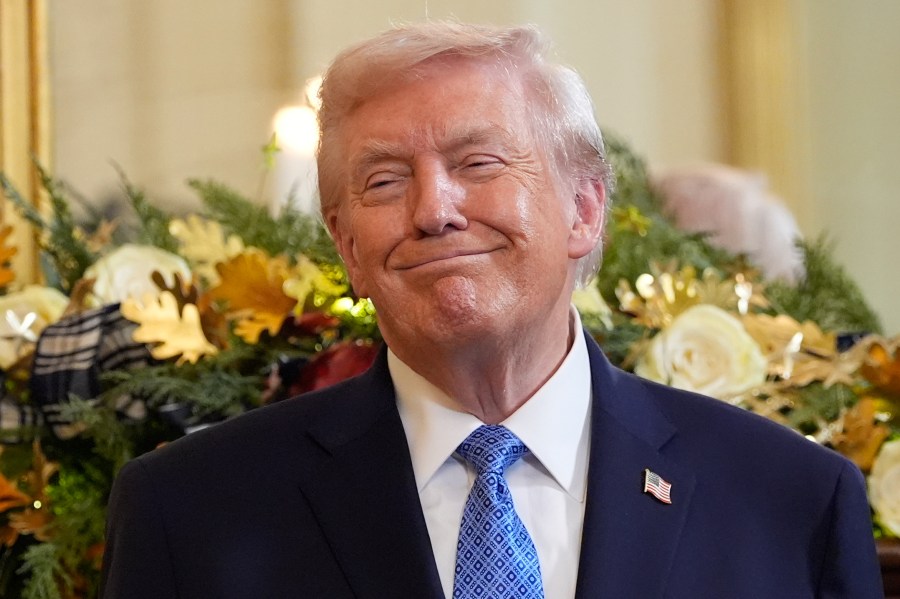
A recent court ruling in Panama has definitively addressed claims regarding China’s influence over the Panama Canal, effectively dismissing assertions made by former U.S. President Donald Trump that suggested Chinese control. The ruling, delivered on January 15, 2024, determined that Chinese state-owned enterprises do not possess operational control over the canal, clarifying the legal and operational framework governing this critical maritime route.
The controversy surrounding the Panama Canal has intensified over the years, particularly with increasing scrutiny of foreign investments in vital infrastructure. Trump’s statements had raised concerns about national security and foreign influence, with some suggesting that Chinese companies could undermine U.S. interests in the region. This ruling comes at a time when the Panamanian government is keen on maintaining sovereignty and transparency regarding its international partnerships.
Legal Framework and Implications
The court’s decision is grounded in the 1977 treaties that established the framework for the canal’s operation and governance. According to legal experts, the ruling reinforces the authority of the Panamanian government and its control over the canal, which is vital for global trade. The International Maritime Organization has reiterated the importance of maintaining clear and transparent management of such critical infrastructure.
While Chinese companies have engaged in various projects within Panama, including the construction of infrastructure, the court’s findings indicate that these ventures do not extend to operational control of the canal itself. This distinction is crucial as it alleviates fears of foreign dominance in a region where U.S. interests have historically been significant.
The ruling also highlights the complexities of international relations, particularly in a rapidly changing geopolitical landscape. The relationship between China and Panama has evolved, with increasing Chinese investment in Latin America, yet this ruling serves as a reminder of the delicate balance each nation must maintain regarding sovereignty and foreign investment.
Reactions and Future Considerations
Reactions to the ruling have been mixed. While many in Panama view this as a step towards reaffirming national control, critics argue that it does not entirely eliminate the potential for foreign influence. The Panamanian government has stated that it will continue to seek partnerships that benefit its economy while ensuring that sovereignty remains intact.
In the United States, the ruling has provided some relief to policymakers concerned about potential threats posed by foreign entities in strategic sectors. The clarity provided by the court may facilitate more robust discussions on international trade agreements and security partnerships in the region.
As Panama continues to navigate its diplomatic and economic relationships, the implications of this ruling will likely resonate beyond its borders. The balance of power in international trade and investment remains a key area of focus for countries engaged in this vital sector. As the global landscape evolves, so too will the challenges and opportunities that arise from these complex relationships.