The Bulletin of the Atomic Scientists is preparing to announce the new setting of the **Doomsday Clock** on **January 27, 2026**. This symbolic measure of humanity’s proximity to disaster has drawn significant attention, particularly amid growing nuclear tensions worldwide. The announcement will take place during a live press conference at **10:00 am ET** (1500 GMT) and will be streamed on the Bulletin’s YouTube channel. The organization encourages the public to sign up for email alerts and its bi-weekly newsletter for updates on issues influencing the Clock’s position.
As of **2025**, the Doomsday Clock was set at an alarming **89 seconds to midnight**, the closest it has been in its **78-year history**. This decision is made by the Bulletin’s Science and Security Board (SASB), comprising prominent experts in nuclear risk, climate change, and emerging technologies. Their recommendations are reviewed in conjunction with the Bulletin’s Board of Sponsors, which includes **eight Nobel Laureates**. The Clock serves as a stark reminder of the existential threats facing humanity, particularly those stemming from advanced technologies and nuclear capabilities.
Nuclear weapons have long been recognized as the most pressing danger to global security. Their threat peaked during the **Cold War**, when the **United States** and the **Soviet Union** engaged in a nuclear arms race. As the situation evolves, the Bulletin has broadened its focus. Since **2007**, factors such as climate change and disruptive technologies have been included in evaluations of the Clock’s setting. Currently, the primary concerns influencing the Clock revolve around nuclear weapons and their increasing peril to global survival.
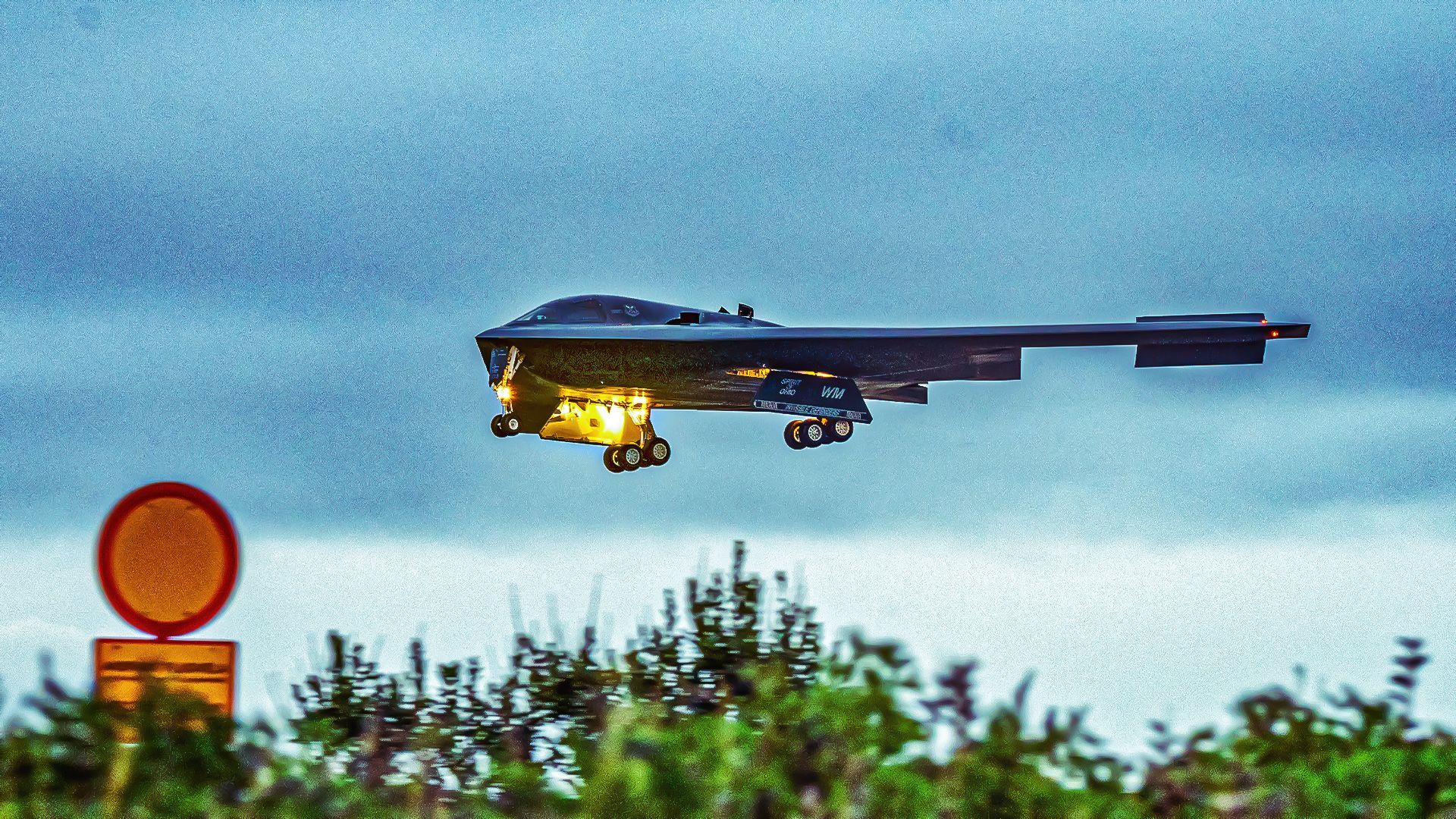
The last remaining arms-control treaty between the United States and Russia is set to expire in **February 2026**. Both nations are modernizing their nuclear arsenals, introducing new warheads, bombers, missiles, and submarines. There is little indication that either Washington or Moscow intends to renew or replace this critical agreement, raising fears of an unregulated arms race. Analysts warn that the absence of binding restrictions might escalate deployments and deepen mistrust between these two nuclear giants.
China is also rapidly expanding its nuclear stockpile and is expected to match the number of intercontinental ballistic missiles held by the United States or Russia by the end of the decade. Meanwhile, **North Korea** continues its focus on nuclear advancements. Countries like **India** and **Pakistan** are developing sophisticated delivery systems capable of deploying multiple warheads. Russia is undergoing a substantial modernization program and has reportedly stationed nuclear weapons in **Belarus**. The United States is increasing its tactical nuclear arsenal and constructing new manufacturing facilities. The **United Kingdom** has raised its warhead ceiling and is in the process of developing new submarines and warheads.
In a bid to mitigate threats, the U.S. President has authorized strikes against **Iran’s** nuclear facilities, delaying the country’s potential to develop nuclear weapons. However, this strategy has also sparked concerns among longstanding U.S. allies, who may now doubt the reliability of the American “nuclear umbrella.” As geopolitical tensions escalate across regions such as **Ukraine**, **Iran**, and **Venezuela**, an increasing number of nations are contemplating the acquisition of nuclear capabilities.
Iran has exceeded the limits established by the **2015 nuclear agreement**, producing **60% enriched uranium**. Both **South Korea** and **Japan** are seen as potential nuclear states, while **Saudi Arabia** has indicated it may pursue nuclear arms if Iran continues its programs. **Poland** has also expressed interest in hosting U.S. nuclear weapons as a deterrent against Russia.
There is a growing concern that the United States might abandon its long-standing prohibition on nuclear testing. If the U.S. resumes explosive tests, it is likely that China, Russia, and other nuclear-armed nations would follow suit. Concurrently, major powers are developing faster and more agile missile systems and extending military ambitions into outer space. Experts warn that advancements in artificial intelligence could make weapons systems more autonomous, significantly reducing decision-making time during a nuclear crisis.
The upcoming announcement from the Bulletin of the Atomic Scientists could underscore the urgent need for international dialogue on nuclear disarmament and global security. As tensions rise and the specter of nuclear proliferation looms, the world watches closely to see how the Doomsday Clock will be set and what that means for humanity’s future.