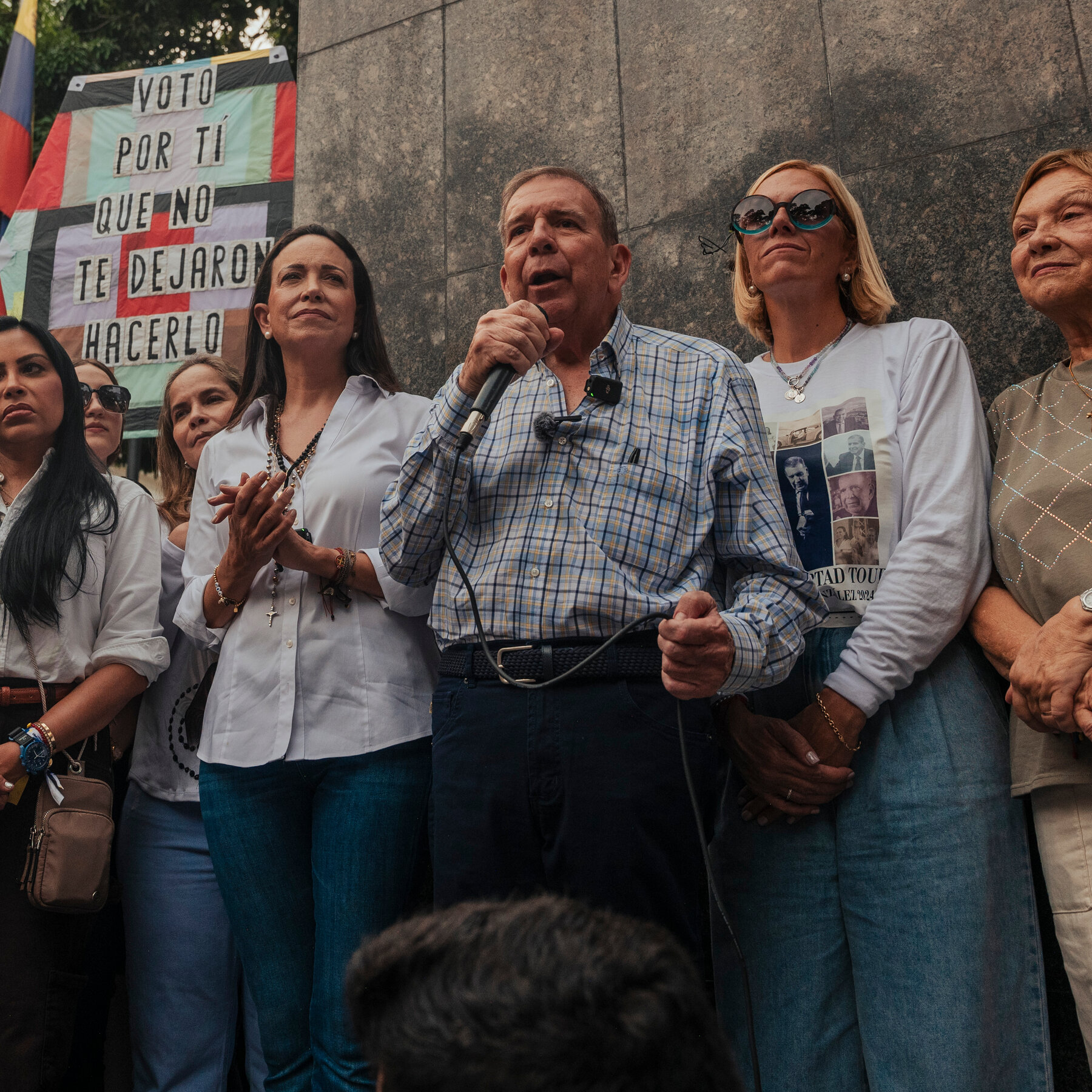
Edmundo González has proclaimed himself the president of Venezuela following the results of the 2024 elections. This declaration comes amidst a contentious political landscape, raising questions about the legitimacy of the electoral process. González, who is perceived by many as the victor of the vote, has positioned himself as a leader ready to steer the nation through its ongoing crises.
The announcement, made on March 12, 2024, marks a significant moment in Venezuelan politics, where political turmoil and economic hardship have defined recent years. González’s claims have generated varied reactions both domestically and internationally. Supporters view his presidency as a potential turning point, while critics express concern over the integrity of the election results.
Background on the Election
The 2024 election cycle has been fraught with challenges. Reports indicate that voter turnout was approximately 60%, a figure that speaks to the public’s desire for change amid ongoing economic struggles. According to the National Electoral Council of Venezuela, González secured approximately 55% of the votes cast, defeating his main rival, who garnered 35%. Despite these figures, numerous opposition leaders and international observers have raised alarms about irregularities during the voting process.
The atmosphere surrounding the election has been tense, with protests erupting in various cities. Critics have accused the government of manipulating the electoral process to ensure a favorable outcome for González, a claim he has vehemently denied. “The people have spoken, and their choice is clear,” González stated during his declaration. “I am here to restore hope and lead Venezuela toward a brighter future.”
International Reactions and Implications
The global response to González’s claim has been mixed. Several Latin American countries have expressed support for his presidency, viewing it as a step toward stability in the region. Meanwhile, nations such as the United States and members of the European Union have voiced skepticism regarding the legitimacy of the election. The U.S. State Department issued a statement urging for an independent investigation into the electoral process, emphasizing the importance of transparency.
The implications of González’s presidency are significant, particularly in light of Venezuela’s ongoing humanitarian crisis. With inflation rates soaring and basic necessities in short supply, many citizens are hopeful that a new administration will address these pressing issues. González has promised to prioritize economic recovery and social welfare programs, stating, “We cannot afford to ignore the needs of our people.”
As the situation unfolds, the international community will be watching closely. The next steps taken by González and his government will likely shape Venezuela’s future amid the challenges it faces. The coming weeks will be critical in determining whether his leadership will indeed herald a new era for the nation or further exacerbate existing tensions.