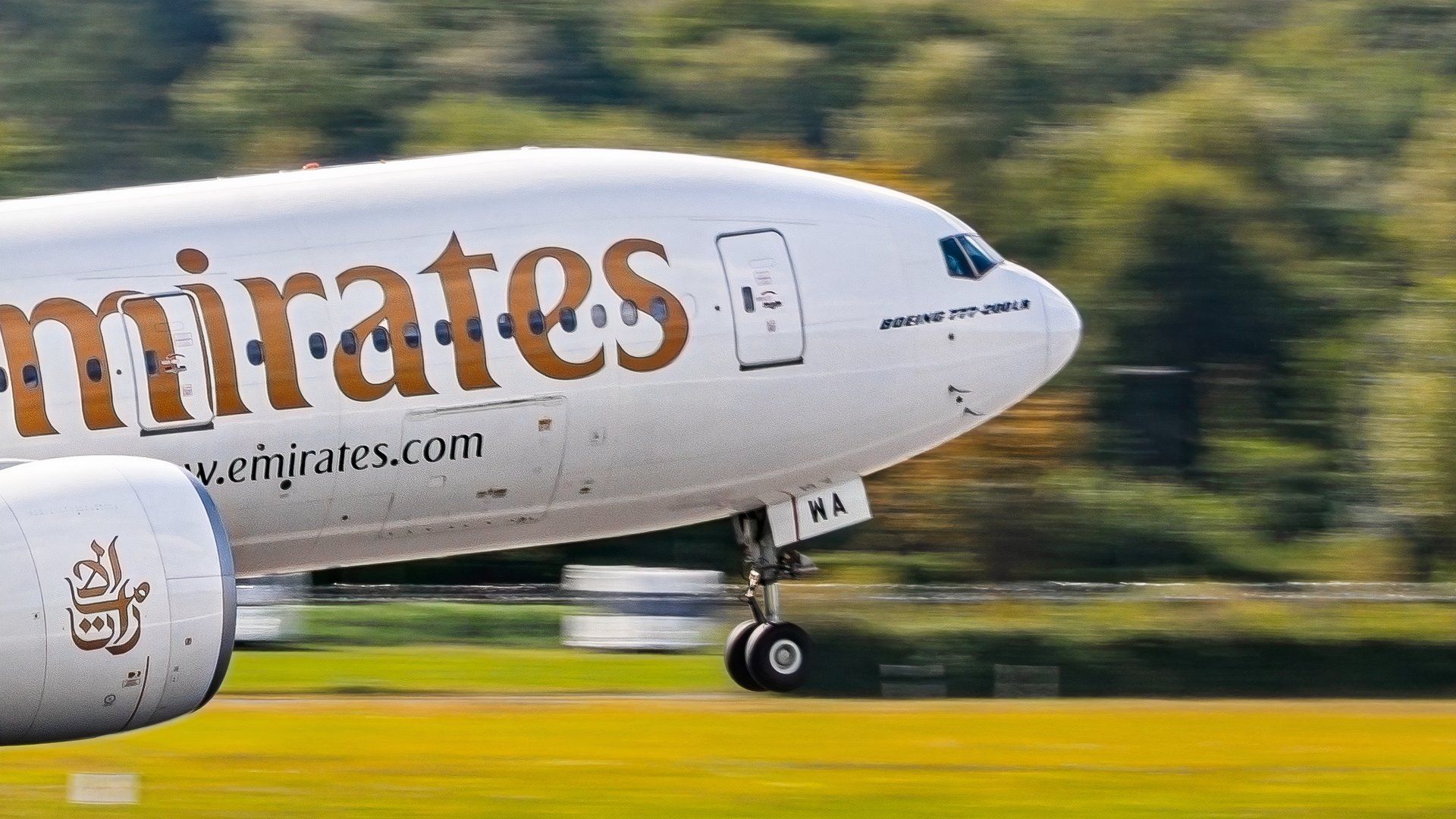
Emirates has announced a significant change to its flight schedule, introducing new daily services using the Boeing 777-200LR to Seattle starting on March 29, 2026. This adjustment will replace the current Boeing 777-300ER aircraft, marking Seattle as Emirates’ longest nonstop route served by the 200LR model. The airline’s decision comes alongside its plans to increase services to Orlando, although no new U.S. routes have been confirmed for 2026.
Details on the New Service to Seattle
The frequency of Emirates flights to Seattle has varied in recent years. Currently, the airline operates six flights weekly between January and March, down from daily operations in 2025. However, this will revert to daily flights during the summer months. The Boeing 777-300ER, which accommodates 328 passengers and includes first-class options, will continue to serve the route until the end of March 2026, after which the 200LR will take over.
As Emirates transitions to the smaller 200LR, the overall capacity to Seattle will see an 8% reduction in available seats, dropping from 137,600 to 126,840. Notably, the first-class cabin will no longer be offered, resulting in the removal of 3,360 seats from the schedule. Despite this change, the first-class option was not consistently available since the route’s inception in March 2012, making the impact less pronounced than it may appear.
Historical Context and Future Prospects
Emirates has operated flights to Seattle since March 2012 and has utilized both the 200LR and 300ER models on this long-haul route. According to data from Cirium, the airline conducted 1,284 departures to Seattle using the 200LR, making it the 13th most-served market for this aircraft type, behind major destinations like Mumbai and Tokyo Haneda.
In terms of passenger capacity, recent reports indicate that Emirates transported 141,200 round-trip passengers to Seattle from January to September 2025, achieving a load factor of only 73%. This figure reflects a decline in passenger numbers, with several months reporting loads between 62% and 70%. The peak month was July, with an 83% load factor, prompting the airline to adjust its operations.
Booking data reveals that a significant portion of passengers, approximately three-quarters, connected to other flights in Dubai, with India being the predominant market for these transfers. Major connecting destinations included Delhi, Bengaluru, and Mumbai.
As the airline continues to refine its U.S. operations, these changes underscore the ongoing adjustments in the aviation industry as it responds to shifting passenger demands and market conditions. Emirates remains committed to serving Seattle with its revised schedule, but the significant reduction in capacity and the elimination of first-class options may shape the future of travel on this route.