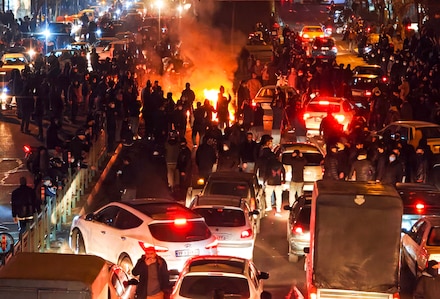
The European Union (EU) announced plans to implement additional sanctions against the Iranian government following what it described as an “excessive use of force” against anti-regime protesters. This decision comes in light of ongoing demonstrations across Iran, where rights groups estimate that hundreds of individuals have lost their lives amid a severe crackdown on dissent.
The EU’s commitment to act quickly underscores the bloc’s growing concern over human rights violations in Iran. The Iranian authorities have faced widespread criticism for their response to protests, which erupted after citizens expressed their discontent with government policies and practices. The situation has been exacerbated by an oppressive communications blackout, significantly hindering the flow of information and limiting the ability of citizens to organize and voice their grievances.
European Response to Human Rights Violations
In a statement, the EU reiterated its dedication to defending human rights and stated that the upcoming sanctions would target individuals and entities responsible for the violence against protesters. The EU aims to hold accountable those who are complicit in the brutal repression of dissent.
The sanctions are expected to be finalized in the coming days, reflecting the urgency of the situation in Iran. This move aligns with the EU’s broader strategy to promote stability and human rights in the region. The bloc has previously imposed sanctions on Iranian officials and organizations linked to human rights abuses, and this latest round is seen as a necessary step to reinforce its stance against ongoing violations.
As protests continue, the Iranian government is likely to face increased international scrutiny. The global community, particularly human rights organizations, is calling for immediate action to safeguard the rights of Iranian citizens and to ensure that those responsible for violence are brought to justice.
The EU’s swift response highlights the importance of international solidarity in addressing human rights crises. As the situation develops, further actions from other nations and organizations may also emerge, contributing to a comprehensive approach to addressing the ongoing turmoil in Iran.