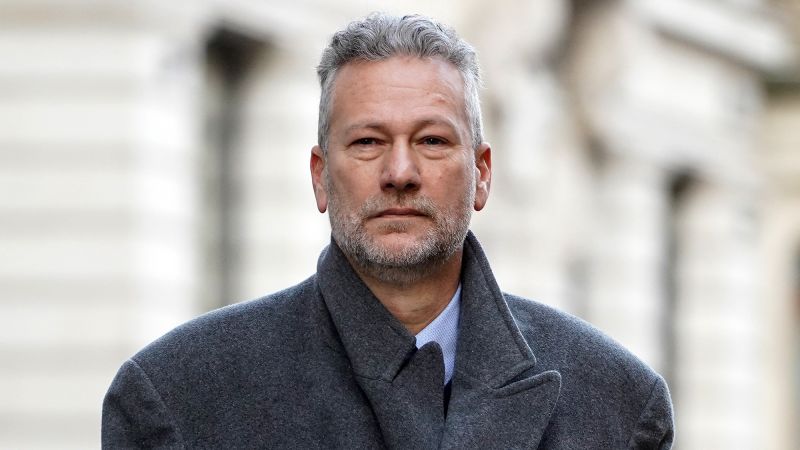
The Corsican island of Corsica was rocked by a shocking act of violence on March 15, 2024, when former nationalist leader Alain Orsoni was killed during his mother’s funeral in the small village of Vero. Orsoni, aged 71, had returned from exile in Nicaragua to attend the ceremony when a single shot rang out from nearby scrubland, striking him fatally. This incident adds to a disturbing trend, as Corsica has witnessed at least 35 murders over the past three years, contributing to one of the highest murder rates in France.
As mourners gathered to pay their respects, the killing of Orsoni has left the community in disbelief. Close friend Jo Peraldi, who has a history in Corsican nationalism, expressed his outrage, stating, “A cemetery is sacred in Corsica, just like a church. Never have I witnessed someone murdered while accompanying their mother to their final resting place.”
The violence on the island has a long history, with victims ranging from local farmers to elected officials. For many, Orsoni’s death represents “a tipping point in the horror.” His cousin, Christian Leca, articulated the collective sentiment, saying, “People don’t kill in cemeteries; it’s intolerable.”
Changing Nature of Corsican Violence
The dynamics of crime in Corsica have evolved significantly. Thierry Dominici, an expert on Corsican nationalism from the University of Bordeaux, noted, “Once armed groups gave up their violent campaign for autonomy, they kept their weapons and turned to organized crime.” He argued that while the French state concentrated on separatist movements, it overlooked the burgeoning criminal activities that followed.
Dominici emphasized a critical distinction between Corsican organized crime and mafia operations in southern Italy. “In Corsica, the clans are not bound by family ties or lifelong loyalty but are driven by opportunism,” he explained.
The investigation into Orsoni’s murder is being led by judges in Paris who specialize in organized crime, in collaboration with the regional prosecutor’s office in Marseille. Gilles Simeoni, president of Corsica’s regional authority, described the murder as intensifying the mafia pressure on Corsican society. He recognized Orsoni as a significant figure in both the open and clandestine aspects of Corsican nationalism.
A Legacy of Violence and Nationalism
Orsoni’s family is well-known on the island, long associated with nationalist movements and episodes of violence. His criminal history includes imprisonment for bomb attacks aimed at pressuring the French state for greater autonomy. The nationalist movement in Corsica has fragmented over the years, increasingly shifting towards criminal activities such as money laundering, extortion, and drug trafficking.
The repercussions of Orsoni’s actions have been felt deeply within his family. His brother, Guy Orsoni, was murdered by a rival clan in 1983, while his son currently serves time for drug trafficking and attempted murder. Orsoni himself narrowly escaped assassination attempts, eventually fleeing to Central America during a particularly violent period before returning to manage a local football club, AC Ajaccio.
During his tenure as club president, AC Ajaccio experienced notable successes, including promotions to Ligue 1. His charm and connections allowed him to attract significant players, despite the club’s limited budget. Orsoni was acutely aware of the dangers surrounding him, often donning a bulletproof vest and traveling in an armored vehicle.
Reflecting on his unique position, Orsoni once stated, “It’s true I have an unusual background for someone to be a football club president, and I can understand that some people are shocked.” He navigated high-profile social circles while remaining entrenched in a world of violence.
The murder of Orsoni is seen by some experts, including criminologist Alain Bauer, as an expected outcome of a long-standing cycle of violence. He warned that the shocking circumstances of the killing in a cemetery could lead to further retaliatory acts. “An assassination in a graveyard in Corsica is surprising and it’s pretty certain there will be revenge killings,” Bauer told the BBC.
In response to the escalating violence, Cardinal François Bustillo, the bishop of Ajaccio, has called for an end to the cycle of vengeance. His plea highlights the urgent need for societal change, urging the community not to succumb to a mentality of retaliation. “We mustn’t get used to this eye-for-an-eye, tooth-for-a-tooth violence,” he stated, emphasizing the need for mental shifts to prevent Corsica from descending further into chaos.
As the investigation continues, the impact of Orsoni’s death ripples beyond the island, raising questions about the future of Corsican society and its struggle with organized crime and violence.