German Foreign Minister Johann Wadephul firmly rejected Russian claims on Tuesday that Germany’s support for Ukraine is motivated by revanchism. He characterized these accusations as a distraction from Russia’s own aggressive actions in the region. The statement came in response to remarks made by Russia, which accused Berlin of harboring “revenge fantasies” related to historical grievances.
During a meeting with New Zealand’s Foreign Minister Winston Peters in the Bay of Islands on New Zealand’s North Island, Wadephul emphasized that Russia is attempting to divert attention from its current conduct. He asserted that Germany has acknowledged its historical past, including the significant role of the Soviet Union in defeating Nazi Germany during World War II.
Wadephul stated, “Germany recognizes that the victims of Nazi aggression included people from Ukraine and other nations of the former Soviet Union.” He underscored that this historical reality is not in dispute within Germany. Despite acknowledging its past, Wadephul made it clear that Berlin will not tolerate efforts to silence criticism of Russia’s present actions. He asserted that Germany would continue to voice its concerns regarding what he termed Russia’s “criminal conduct.”
Russian Criticism of German Military Involvement
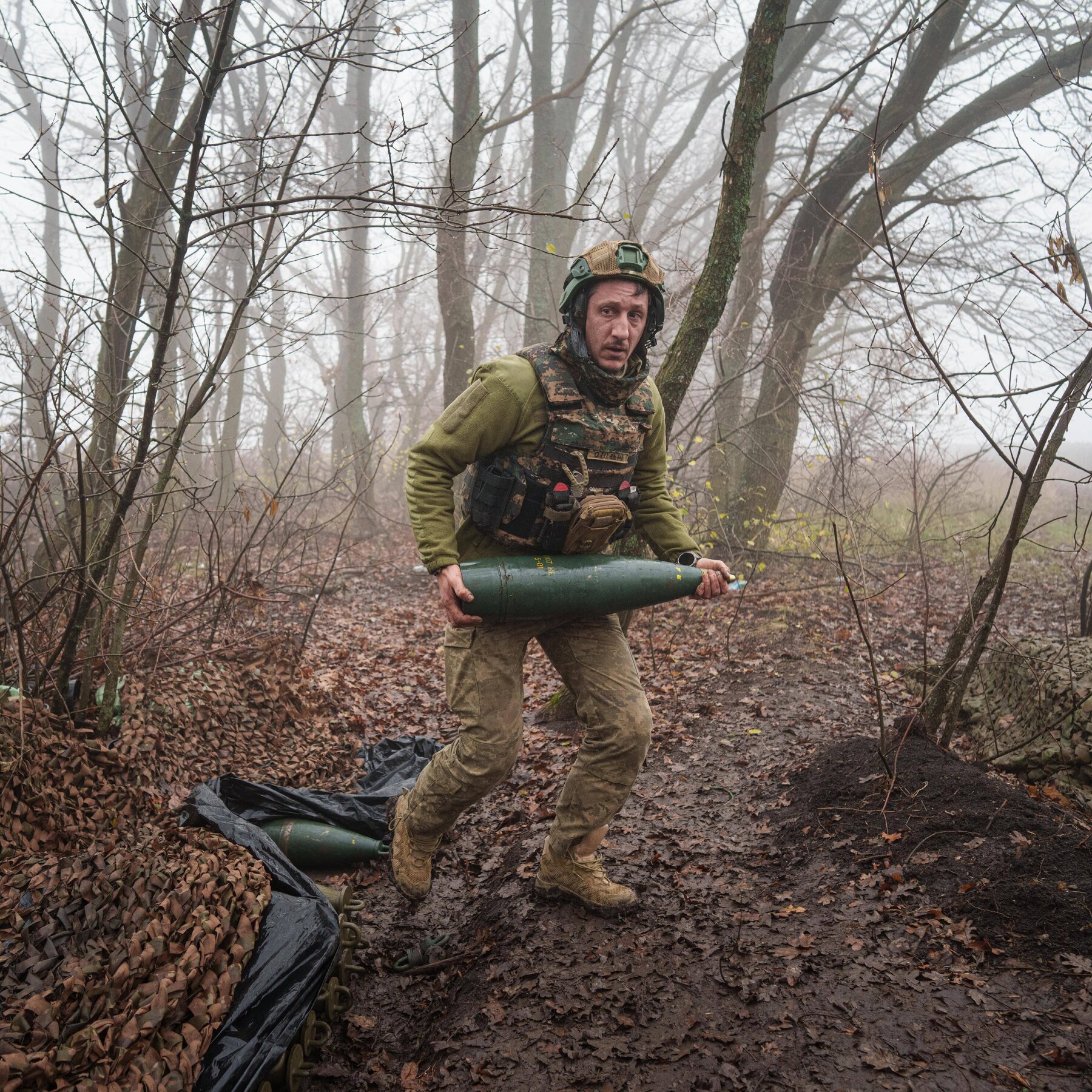
The Russian Foreign Ministry has also expressed strong discontent over the fact that, eight decades after the conclusion of World War II, German weapons are being used extensively in conflicts involving Russia. The ministry highlighted that the German armed forces are already stationed in Lithuania, warning that any deployment of German troops in Ukraine would be seen as “legitimate targets” in the event of their involvement in an international security force following the resolution of the conflict.
Wadephul responded by stating that any potential deployment of German troops to assist in securing a peace settlement in Ukraine would hinge on Russia creating an environment conducive to a stable security order. He noted that any agreement would need to include stipulations about the presence of foreign forces on Ukrainian territory.
Germany, according to Wadephul, is committed to working constructively to end the ongoing conflict, although he described Russia’s current behavior as destructive. The backdrop of this tension is Russia’s full-scale invasion of Ukraine, ordered by President Vladimir Putin four years ago, under the pretext of ensuring national security against NATO’s influence in the region.
To bring about an end to hostilities, Moscow’s demands include Ukraine’s renunciation of its NATO aspirations and significant territorial concessions. Wadephul’s remarks highlight a complex geopolitical landscape, where historical narratives and current events intersect, shaping international relations and security strategies in Europe.