Negotiations between Iran and the United States are set to take place in Oman on Friday, focusing primarily on Tehran’s nuclear program. This diplomatic engagement comes at a time when Iran is grappling with significant internal unrest following widespread protests against its government. The talks indicate a shift in approach after a tumultuous week that initially involved plans for broader discussions with regional countries in Turkey.
The backdrop for these negotiations is complex. Tensions escalated earlier this year when Israel launched a 12-day military campaign against Iran, resulting in U.S. bombings of Iranian nuclear sites. These military actions have heightened hostilities in the region, complicating any potential diplomatic resolutions.
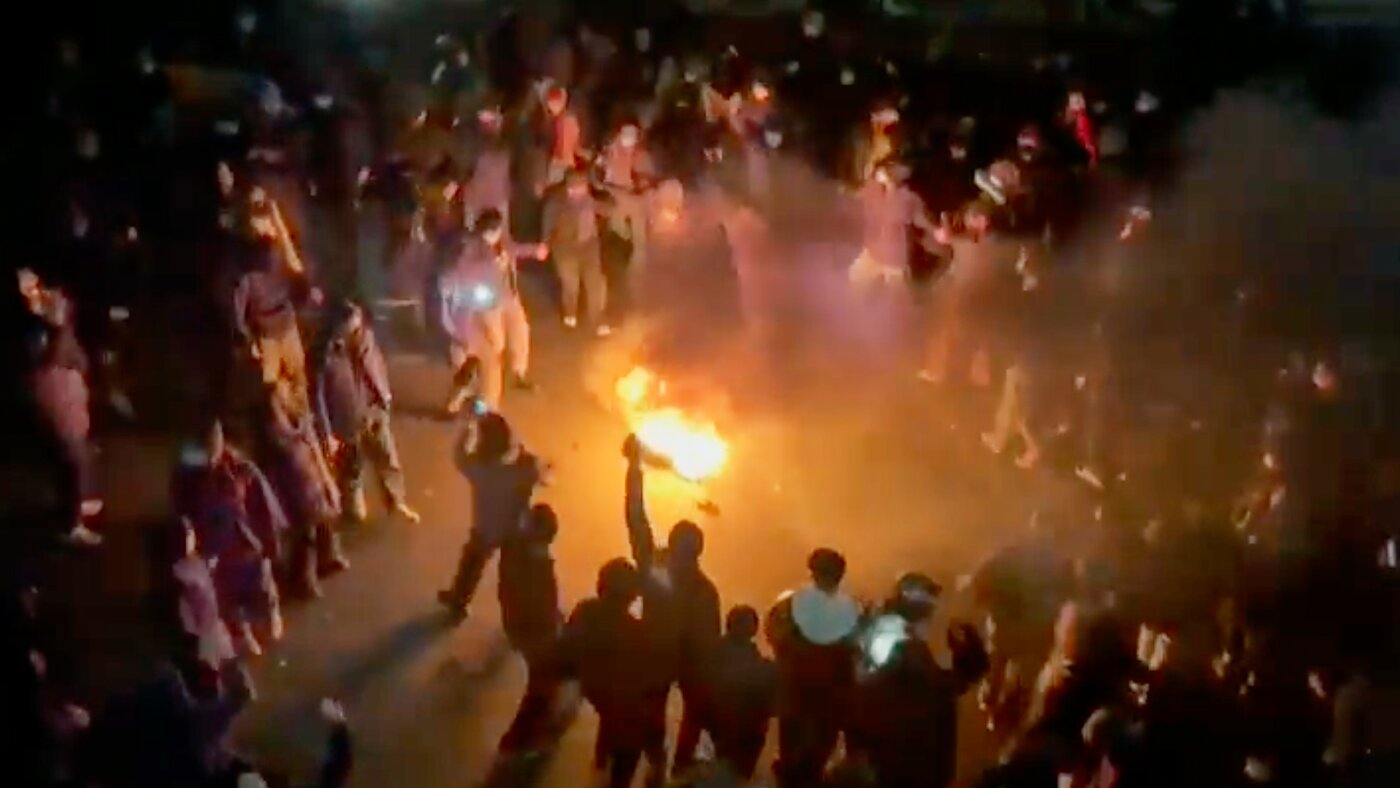
In addition to international pressures, Iran is experiencing its own internal crisis. Nationwide protests have erupted across the country, challenging the authority of the ruling theocracy. The government’s response has been severe, with reports indicating thousands killed and tens of thousands arrested during a violent crackdown. This unrest has led to increasing calls for international dialogue, as both the Iranian leadership and the Biden administration seek to navigate this tumultuous period.
Recent statements from former President Donald Trump have added another layer of complexity. Trump has threatened military action against Iran, which places additional pressure on the current administration to engage diplomatically. The upcoming talks in Oman may serve not only as a platform for addressing nuclear concerns but also as an opportunity to stabilize relations amid rising tensions.
As the negotiations approach, all eyes will be on the outcomes and whether they can pave the way for a more peaceful resolution to the ongoing conflicts affecting both domestic and international landscapes. The stakes are high, with implications not only for Iran and the United States but for regional stability as well.