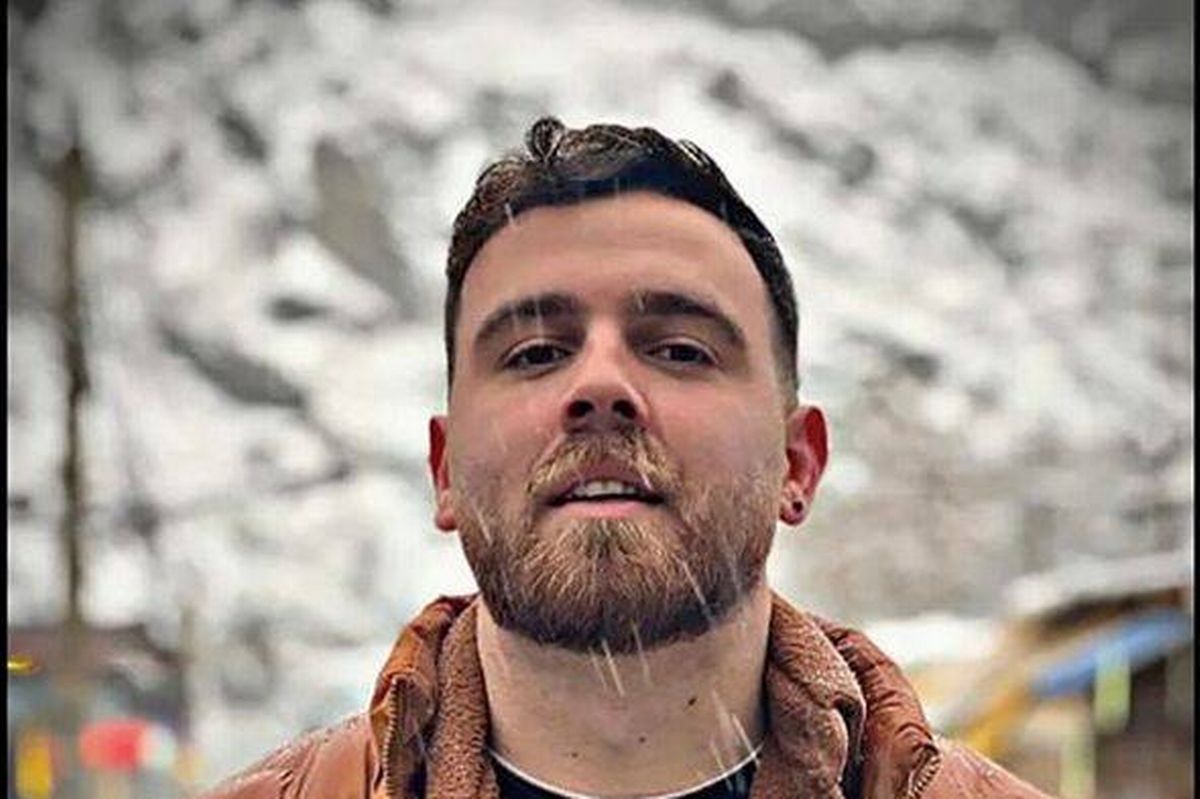
A 26-year-old Iranian man, Erfan Soltani, faces imminent execution just four days after his detention during anti-government protests. The execution is scheduled for Wednesday, following a severe government crackdown that has seen over 500 protesters killed and more than 10,000 arrested since the demonstrations began. Soltani was taken into custody in Fardis, a city near Tehran, and has been charged with “waging war against God,” a crime that carries the death penalty in Iran.
Supporters of Soltani claim he has been denied legal representation and the chance to defend himself before a death sentence is carried out. Reports indicate that he was allowed only a brief ten-minute visit with his family for a final farewell. The National Union for Democracy in Iran stated, “He was denied access to a lawyer. Erfan’s only crime was calling for freedom.” His execution would mark the first of a protester since the uprising began late last year, highlighting the government’s increasingly harsh measures against dissent.
Escalation of Tensions
The situation escalated further as Donald Trump, the President of the United States, issued a stark warning regarding potential military action against Iran in response to the violent suppression of civilian demonstrations. According to reports from the Express, Trump may authorize strikes on Iran as early as today, despite Iran’s appeals for dialogue during a recent phone call. The U.S. president is expected to receive briefings on military options shortly.
In retaliation, Iran has vowed to target American military and commercial assets if the U.S. decides to strike first. Iranian Foreign Minister Abbas Araghchi stated, “The Islamic Republic of Iran is not seeking war but is fully prepared for war.” Trump has warned that any attack would elicit a severe response, asserting, “We will hit them at levels that they’ve never been hit before.”
Widespread Protests and Government Crackdown
The ongoing protests, which have erupted in over 585 locations across 186 cities in all 31 provinces of Iran, have persisted for a third consecutive week. Activists report that the death toll has reached at least 544, including eight children, while over 10,681 individuals have been detained, among them 169 minors. One notable casualty was Amir Mohammad Koohkan, a 26-year-old football referee who was fatally shot in Neyriz. A friend described him, saying, “Everyone knew him for his kindness.”
Heartbreaking video footage has emerged, showing dozens of body bags outside the Tehran coroner’s office, where grieving individuals have lined up to identify their deceased loved ones. Reports indicate that security forces loyal to Ayatollah Ali Khamenei have been accused of directly killing hundreds of protesters in a bid to quell the uprising.
Initially sparked by shopkeepers protesting against soaring inflation, the demonstrations have evolved into widespread calls for the removal of Khamenei from power. As discontent grows, Khamenei’s response has been increasingly severe, with decrees ordering the immediate execution of alleged instigators currently in custody. Concerns have arisen that many of this week’s executions may be conducted publicly, serving as a chilling display of state power against dissenting voices.
Iran has a notorious history of executing criminals in brutal ways. In 2025 alone, the regime reportedly executed at least 1,200 prisoners. There are fears that many of the horrific accounts emerging from Iran are being suppressed, particularly as the government imposed an internet blackout last week to limit the flow of information related to the protests.