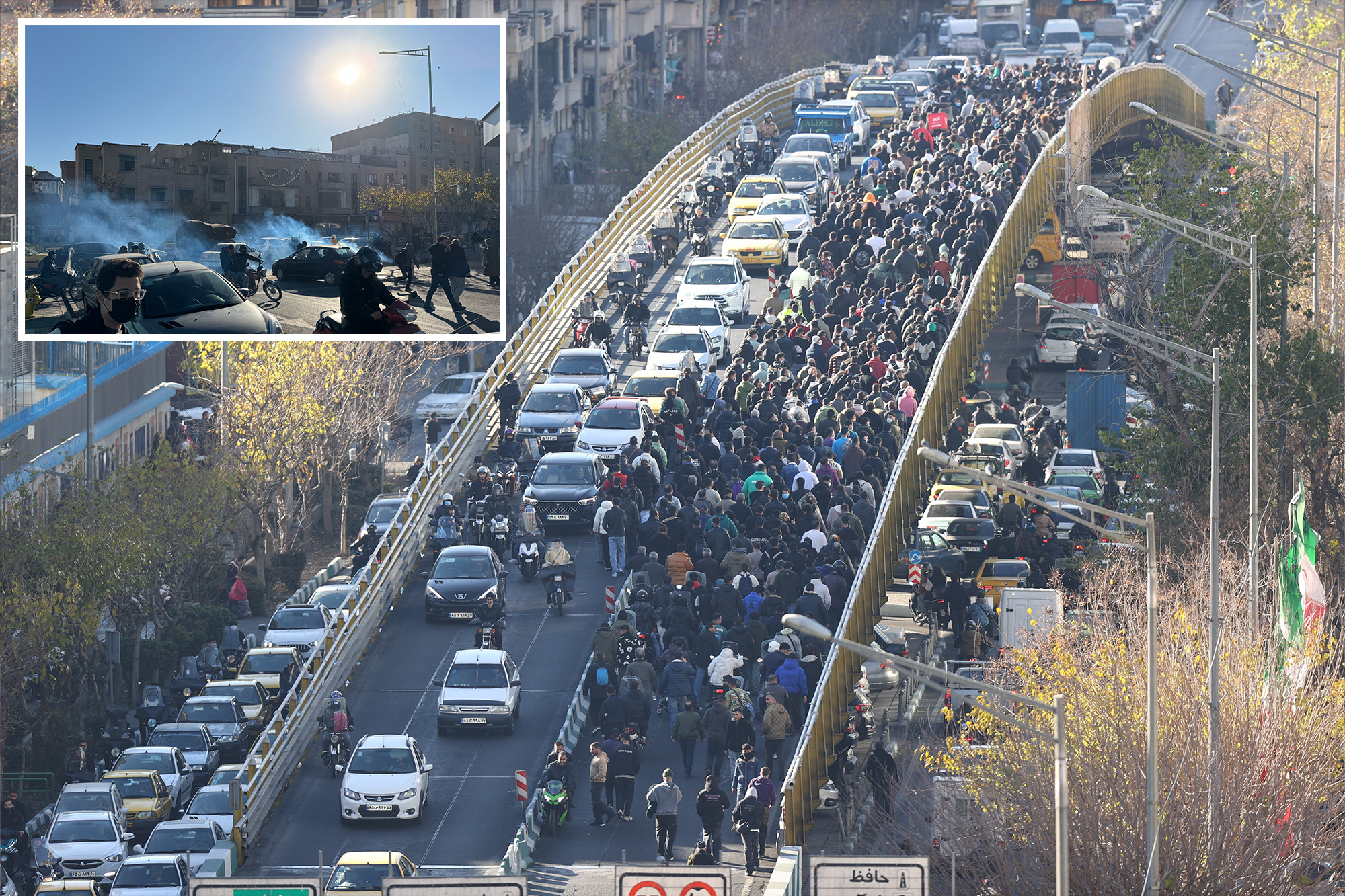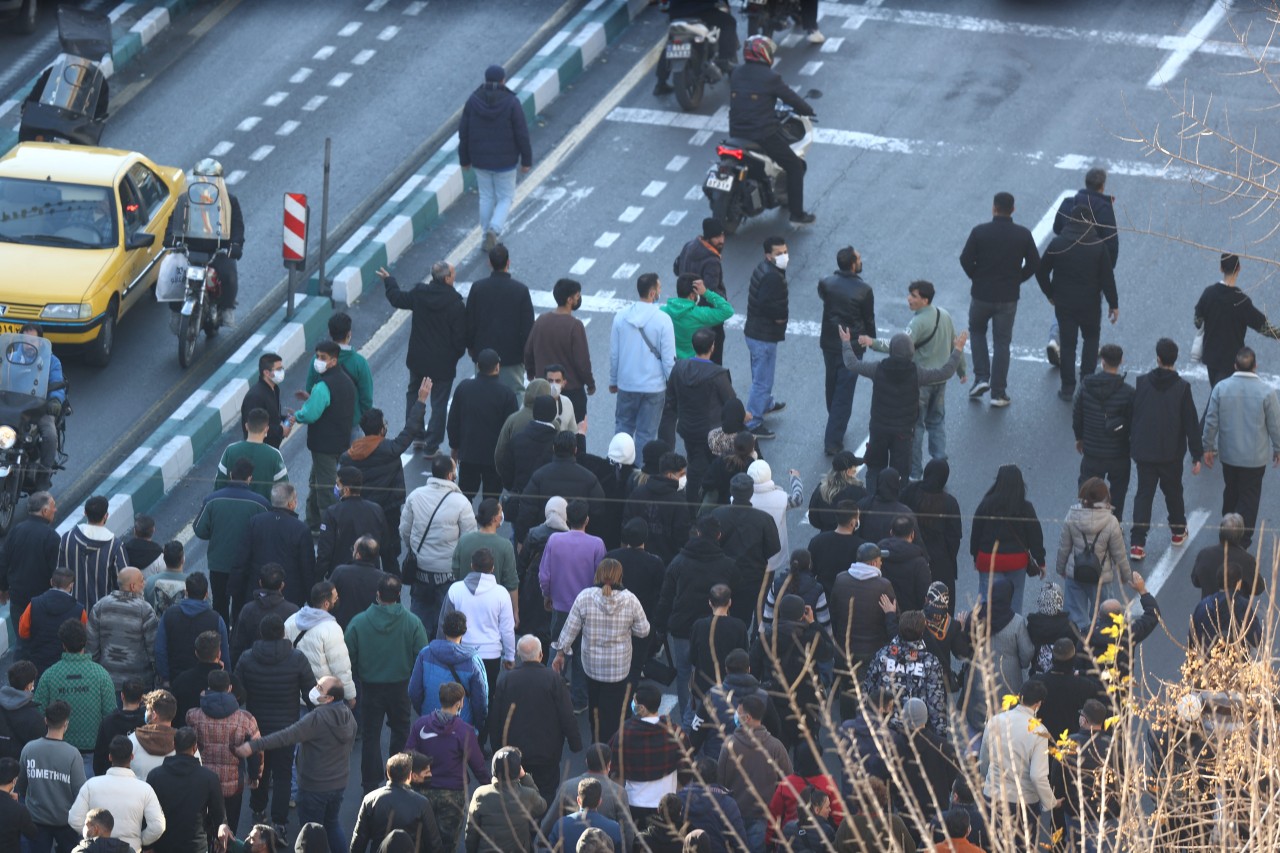
Protests in Iran have intensified, resulting in at least 41 reported fatalities as unrest continues for a fifth consecutive day. The demonstrations originated in response to the death of 22-year-old Mahsa Amini, who died while in police custody on September 22, 2022. Amini’s death sparked widespread outrage, with citizens taking to the streets to voice their anger over issues of state repression and women’s rights.
As the protests have escalated, the Iranian authorities have deemed the unrest as a threat to national security. In response, the Islamic Revolutionary Guard Corps has issued warnings about a potential crackdown, stating that harsher measures will be implemented if the protests spiral out of control. They have characterized the demonstrators as “rioters” and have vowed to restore order.
According to the Human Rights Activists News Agency (HRANA), the violence has primarily unfolded in major cities, including Tehran and Shiraz, where clashes between protesters and security forces have led to significant casualties. Eyewitness accounts indicate that security forces have used live ammunition against demonstrators, further inflaming tensions.
The international community is closely monitoring the situation. On September 25, 2022, the United Nations condemned the violence and called for an investigation into the circumstances surrounding Amini’s death. The UN urged Iranian authorities to respect the rights of its citizens and to ensure that peaceful protests can occur without fear of reprisals.
In the face of increasing pressure, hard-liners within the Iranian government are rallying support for more aggressive tactics against protesters. They argue that the unrest is being fueled by foreign interference, a claim that has been met with skepticism by many in the country. As protests continue, the situation remains volatile, with citizens determined to seek justice for Amini and broader reforms.
Protesters have expressed that their movement is not only about Amini’s death but also about broader social and political issues, including demands for greater freedoms and an end to oppressive practices. The combination of grief and anger has united various segments of Iranian society, leading to a significant mobilization across the nation.
As the Iranian government grapples with the unrest, the potential for further escalation remains high. With calls for solidarity among protesters and increasing international scrutiny, the coming days will be crucial in determining the trajectory of these demonstrations and the government’s response.