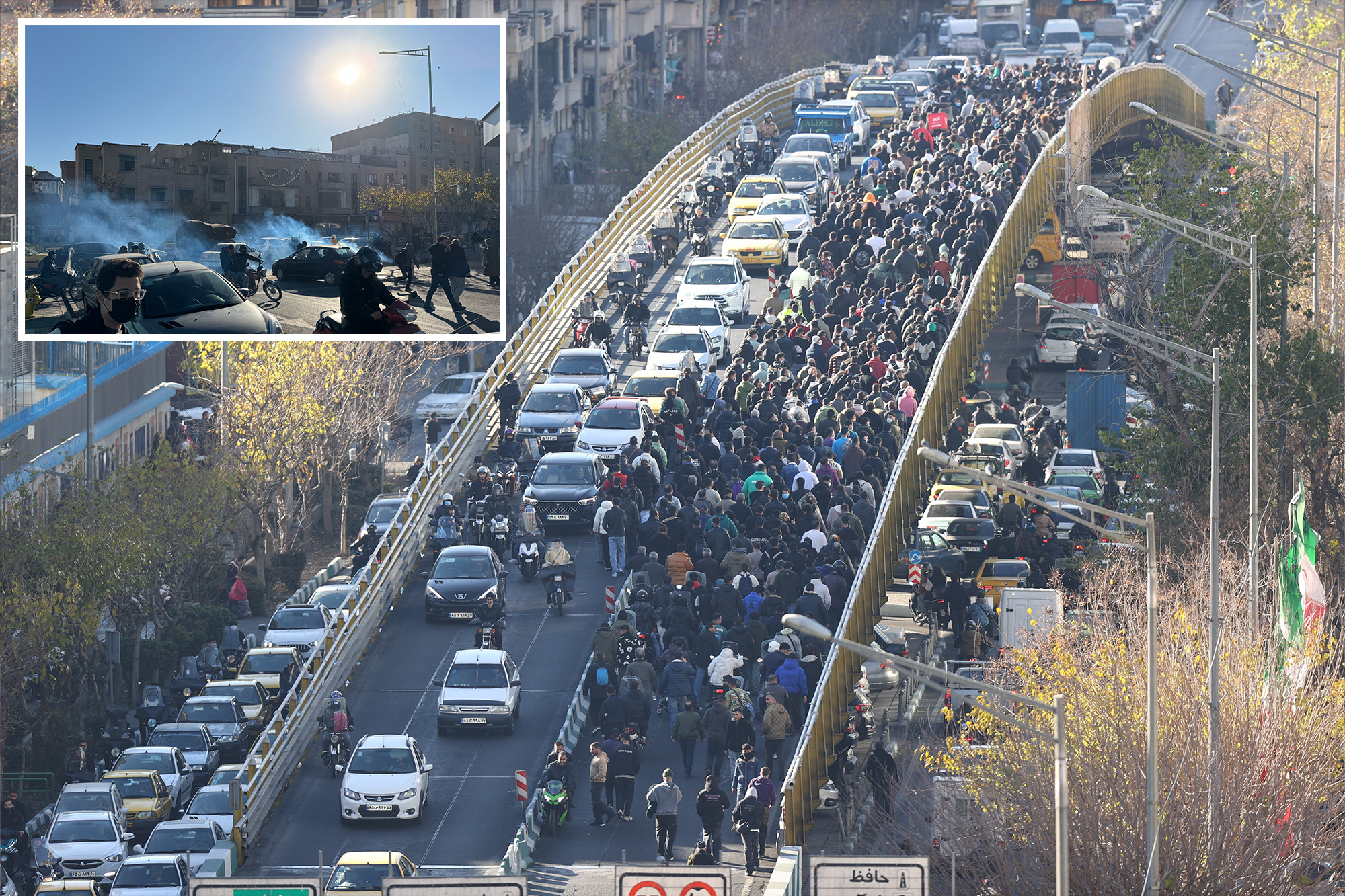
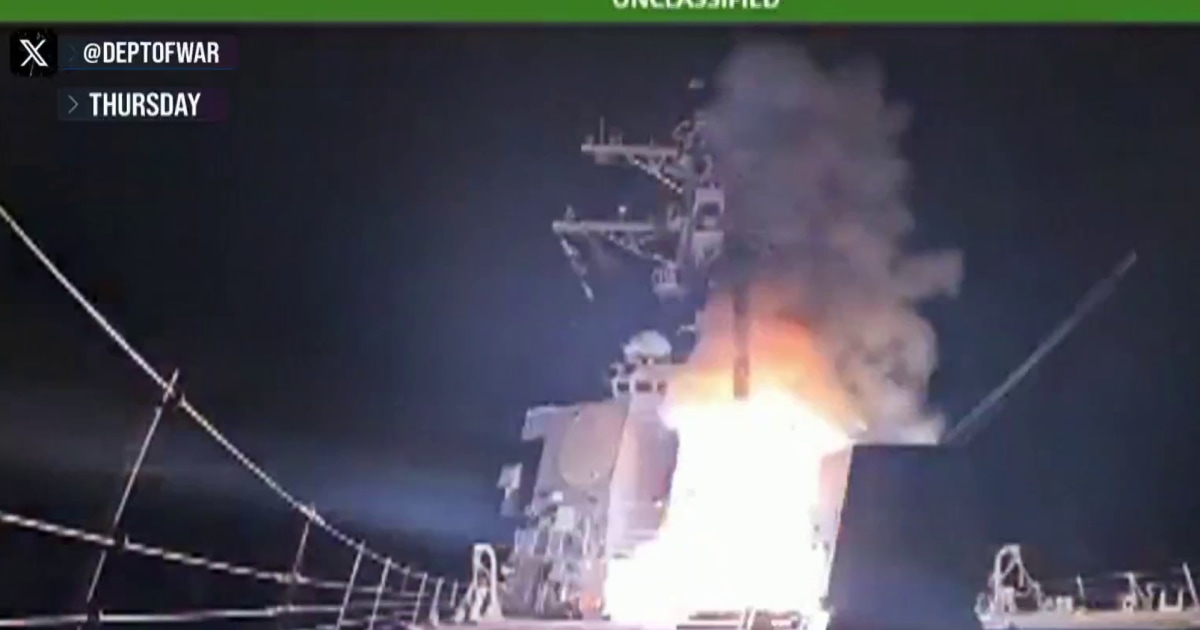
Iran’s ongoing crackdown on protests has resulted in the deaths of at least 6,126 people, according to activists. The violence has escalated as the country’s currency, the rial, has fallen to a record low of 1.5 million rials to $1. This crisis comes as a U.S. aircraft carrier group, led by the USS Abraham Lincoln, arrives in the Middle East, potentially positioning the U.S. for military action in response to the turmoil.
The latest figures were released by the Human Rights Activists News Agency, which has documented casualties through a network of activists on the ground in Iran. Among the deceased are at least 5,777 protesters, along with 214 government-affiliated forces, 86 children, and 49 civilians who were not participating in the demonstrations. The Iranian government, however, has reported a significantly lower death toll of 3,117, categorizing many of the deceased as “terrorists.”
The protests began on December 28, 2022, triggered by the rapid decline of the rial. The Iranian authorities’ violent response has led to over 41,800 arrests. The severity of the crackdown has drawn international attention, especially following Donald Trump‘s threats of military action against Iran in response to the government’s treatment of protesters. The unrest has prompted two Iranian-backed militias in the region to express their readiness to attack, potentially escalating the conflict further.
Iran’s U.N. ambassador, Amir Saeid Iravani, addressed the U.N. Security Council, condemning Trump’s military threats as clear provocations. He accused the U.S. of supporting “armed terrorist groups” but provided no evidence for these claims. Iranian state media has attempted to blame foreign forces for the protests, deflecting attention from the country’s struggling economy, which is under severe strain from international sanctions.
As the rial’s value plummets, citizens are grappling with skyrocketing prices for everyday goods. The currency has depreciated from 32,000 rials to $1 just a decade ago, severely diminishing the purchasing power of ordinary Iranians. In response to economic pressures, the Iranian government has limited subsidized currency rates and now provides citizens with a monthly allowance equivalent to $7 to help cover rising costs.
Iran’s influence in the region, historically bolstered by a network of proxy militant groups known as the “Axis of Resistance,” is also waning. This network, which includes groups in Gaza, Lebanon, Yemen, Syria, and Iraq, has faced significant challenges, particularly following Israel’s military actions against its allies during the recent Gaza conflict.
In a show of solidarity, Ahmad “Abu Hussein” al-Hamidawi, the leader of Iraq’s Kataib Hezbollah militia, issued a warning to adversaries, stating that any war against Iran would be met with fierce resistance. The Lebanese militant group Hezbollah, a close ally of Iran, has also indicated its readiness to defend against potential aggression but remains ambiguous about its specific actions.
As the situation unfolds, the international community watches closely. The combination of escalating violence, a crumbling economy, and the presence of foreign military forces raises concerns about the potential for broader conflict in the Middle East.