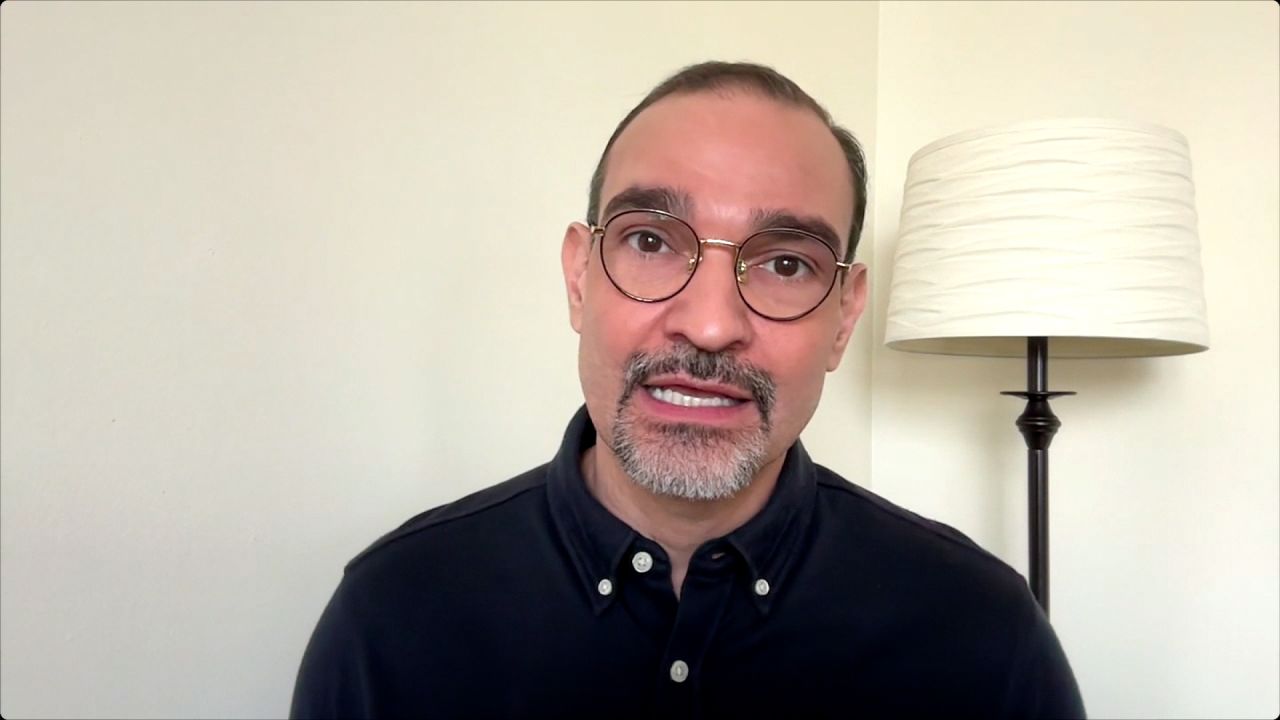
The Pentagon’s recent directive to pause initial training for military recruits living with HIV has drawn sharp criticism from prominent HIV/AIDS activist and Broadway actor Javier Muñoz. In an interview with CNN’s Danny Freeman, Muñoz described the decision as one that conveys a message “rooted in bigotry and discrimination” regarding the virus and those affected by it.
Muñoz’s remarks come in light of the Pentagon’s announcement, which has raised significant concerns among advocates for the rights of individuals living with HIV. The military’s policy shift halts the onboarding process for recruits who are HIV-positive, a move that many see as contrary to the principles of inclusivity and equality.
Concerns About Discrimination
During the interview, Muñoz emphasized that the decision reflects outdated stereotypes and stigma surrounding HIV/AIDS. He pointed out that such policies undermine progress made in recent years toward treating all individuals with respect, regardless of their health status. “It sends a message that those living with HIV are somehow less than,” he stated, highlighting the need for policies that foster understanding rather than fear.
The military’s stance has been met with backlash from various advocacy groups, which argue that the decision not only discriminates against individuals with HIV but also contradicts advancements in medical treatment. With modern antiretroviral therapies, many HIV-positive individuals can lead healthy lives and serve effectively in various roles, including the military.
Advocacy for Change
As discussions surrounding this policy continue, advocates urge the Pentagon to reconsider its position. They argue that reinstating training for recruits with HIV is essential for promoting inclusivity within the armed forces. Muñoz, who has been vocal in advocating for the rights of those living with HIV, stressed the importance of creating an environment where all service members feel valued and supported.
In light of this controversy, it is crucial for the Pentagon to engage with health experts and community leaders to address the misconceptions surrounding HIV/AIDS. This engagement could not only help reshape policies but also foster a culture of acceptance within the military.
The dialogue surrounding HIV-positive individuals in the military remains a pressing issue, and the Pentagon’s response will likely influence future discussions about health and discrimination in military service. Muñoz’s call for change resonates not just within the military community but also among advocates worldwide, highlighting the need for continued efforts to combat stigma and promote equality for all individuals, regardless of their health status.