The potential capture and prosecution of Venezuelan President Nicolás Maduro has drawn significant parallels to the case of former Panamanian leader Manuel Noriega. Legal efforts aimed at bringing Maduro to justice highlight the challenges of trying a dictator, with courts previously rejecting various legal defenses put forth by Noriega during his trial in the 1990s.
The prospect of Maduro facing trial stems from allegations of human rights abuses and corruption. The International Criminal Court has received extensive documentation regarding these claims, and reports from the Inter-American Commission on Human Rights assert that Maduro’s government has engaged in systematic violations against its citizens.
Maduro’s legal troubles are not just theoretical. In June 2021, a court in the United States sentenced a former Venezuelan official to 20 years in prison for drug trafficking and corruption. This ruling underscores the U.S. government’s commitment to prosecuting those involved in Maduro’s regime, as they seek to hold accountable those accused of undermining democratic structures and committing atrocities.
Historical Context of Dictator Trials
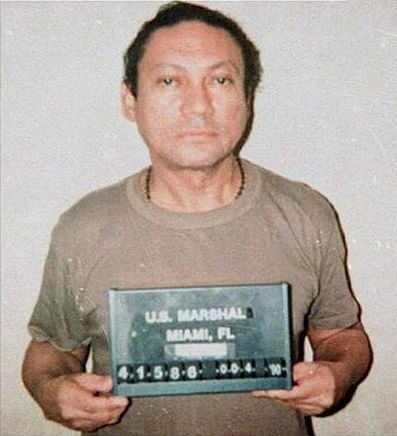
The Noriega case offers a crucial framework for understanding the legal landscape surrounding the prosecution of dictators. After being captured by U.S. forces in 1989, Noriega faced charges of drug trafficking, racketeering, and money laundering. His attempts to contest the legitimacy of the U.S. intervention and the subsequent trial were ultimately unsuccessful. Courts rejected his claims, emphasizing that the need for justice outweighed his legal defenses.
This precedent may serve as a guiding reference for international efforts to prosecute Maduro. Legal experts argue that the same principles of accountability and justice apply, given the gravity of the allegations against him. Furthermore, the international community’s increasing willingness to engage in legal actions against dictators could bolster the case against Maduro.
The Venezuelan government’s response to these international pressures has been one of defiance. Maduro has repeatedly dismissed allegations of human rights violations as fabrications intended to undermine his authority. Despite this, mounting evidence has prompted calls from various human rights organizations and international bodies for accountability.
Implications for Future Legal Actions
The potential prosecution of Maduro raises important questions about the efficacy of international law in enforcing justice. With the backing of various international organizations, including the United Nations, there is a growing recognition that holding leaders accountable for their actions is essential for restoring democratic governance.
Estimates suggest that the financial losses incurred by Venezuela’s economy under Maduro’s regime could exceed $1.5 billion. This staggering figure emphasizes the urgent need for accountability, particularly as the Venezuelan people continue to suffer from economic instability and political repression.
As discussions around Maduro’s possible capture and prosecution progress, the legal precedents set by previous dictator trials will likely play a pivotal role. The outcome of these efforts could shape the future landscape of international law and the pursuit of justice for victims of human rights abuses worldwide.