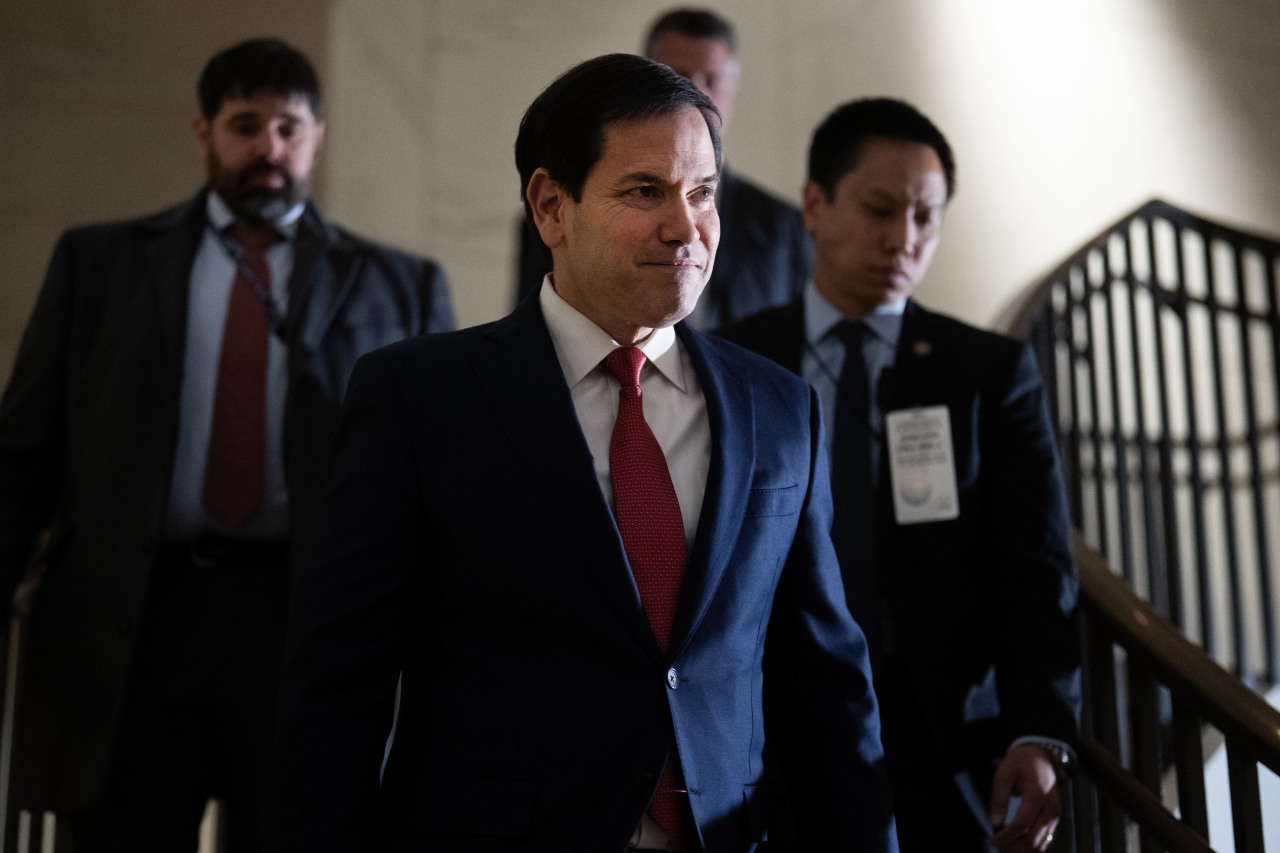
In a significant political shift, Secretary of State Marco Rubio has transitioned from being a vocal critic of former President Donald Trump to one of his most trusted advisers. This change reflects both Rubio’s evolving political strategy and the broader influence of Trump’s “Make America Great Again” (MAGA) movement on U.S. foreign policy, particularly regarding Latin America.
From Critic to Ally
Rubio, who was once a prominent challenger in the 2016 Presidential Election, frequently criticized Trump’s approach and rhetoric. His stance has markedly changed since then, as he has embraced many of Trump’s policies and ideologies. This pivot has allowed him to play a crucial role in shaping U.S. relations with Latin American countries, a region he has long aimed to influence positively.
As Secretary of State, Rubio has focused on promoting democracy and economic stability in Latin America. His position enables him to advocate for policies that align with the MAGA agenda, which emphasizes strong national borders and a commitment to American interests abroad. By adopting this approach, Rubio seeks to address the challenges faced by countries in the region, including political corruption and economic instability.
Strategic Impact on U.S.-Latin America Relations
Rubio’s influence is particularly evident in the context of the 2024 Presidential Election, where the Republican Party aims to consolidate support among Latin American communities in the United States. His outreach efforts are designed to strengthen ties with these communities, emphasizing shared values and interests. This strategy not only seeks to enhance the Republican Party’s appeal but also aims to foster cooperation with Latin American leaders.
Under Rubio’s leadership, the U.S. State Department has initiated several programs aimed at supporting democratic institutions and economic development in the region. These initiatives include financial aid and technical assistance to bolster governance and combat corruption. By aligning these efforts with the MAGA framework, Rubio hopes to create a narrative of American leadership that resonates with both domestic and international audiences.
Critics argue that embracing the MAGA platform could alienate some traditional allies in Latin America who view Trump’s policies as divisive. Nevertheless, Rubio remains steadfast in his belief that a strong, America-first policy can lead to long-term benefits for the region. His commitment to this approach underscores a broader strategy to reshape U.S. foreign policy in a way that prioritizes national interests while still engaging with Latin American nations.
As Rubio continues to navigate his dual roles as Secretary of State and a leading figure in the Republican Party, his actions will likely have a lasting impact on the dynamics between the United States and Latin America. Whether this strategy will yield the desired outcomes remains to be seen, but Rubio’s growing influence within the Trump administration is undeniable.
In summary, Marco Rubio’s transformation from critic to key adviser illustrates a significant shift in U.S. political dynamics. His efforts to align foreign policy with MAGA principles aim to strengthen relations with Latin America while advancing domestic political goals. As the political landscape evolves, Rubio’s approach may redefine how the United States engages with its southern neighbors.