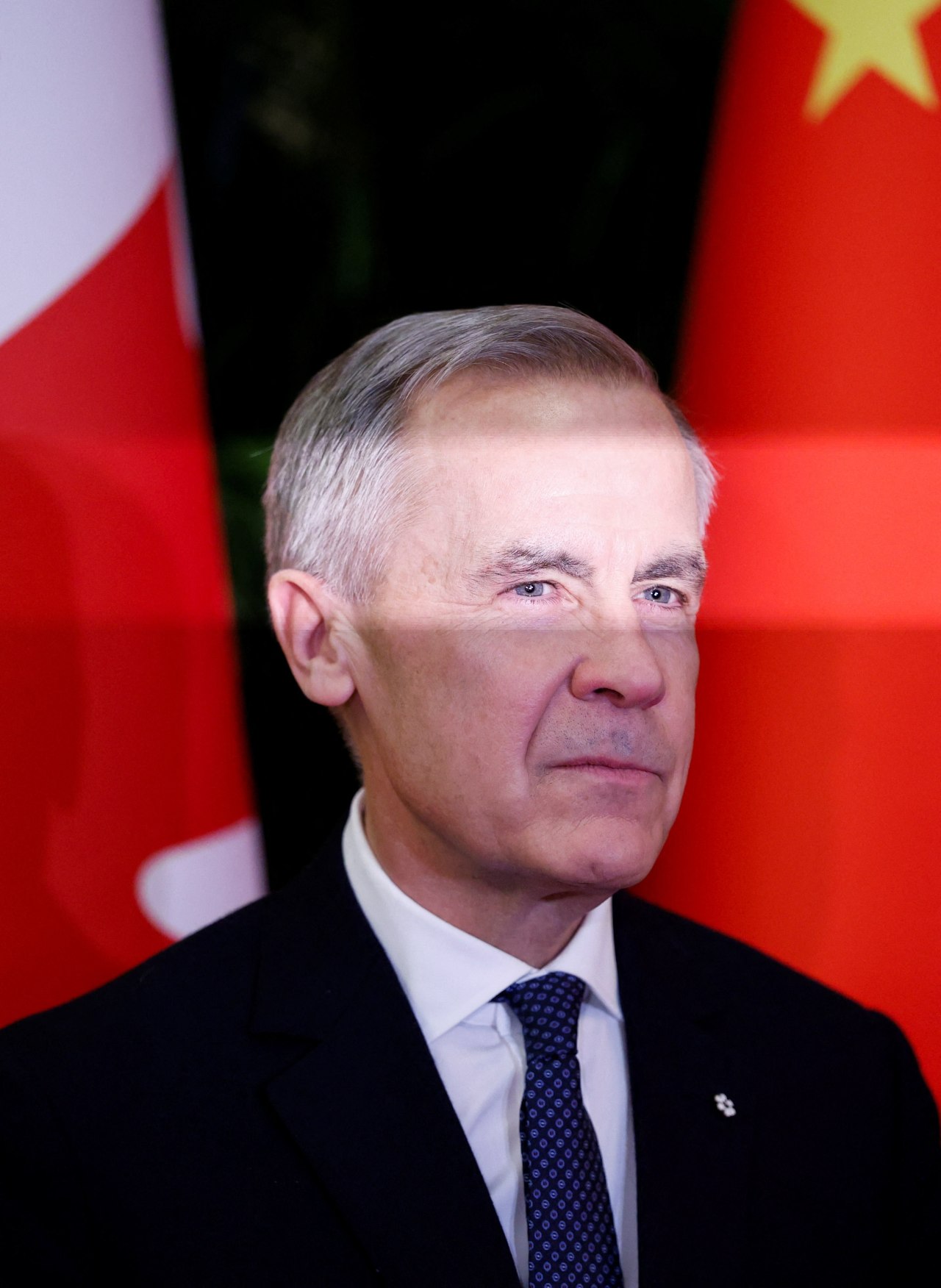
Beijing has welcomed former Canadian central bank governor Mark Carney as it seeks to strengthen its export economy and attract U.S. allies dissatisfied with the growing trend of American protectionism. Carney’s visit comes at a crucial time when China is looking to diversify its trade partnerships and mitigate the impact of tariffs imposed by the United States.
During his time in China, Carney addressed a range of issues impacting global trade dynamics. He emphasized the importance of cooperation among nations, particularly in light of the challenges presented by unilateral trade measures. His discussions in Beijing included meetings with key Chinese officials and business leaders, aiming to foster stronger economic ties.
The backdrop of Carney’s visit is significant. With a reported $600 billion decrease in exports to the United States over the past year, China is actively looking for alternatives. The country’s leaders are concerned about the potential long-term effects of the U.S. stance on trade. Carney’s insights, drawn from his extensive experience in international finance, have made him a valuable ally in this endeavor.
China’s Strategic Shift in Trade Relations
China’s outreach to U.S. allies reflects a strategic pivot in response to its evolving trade landscape. The Chinese government is keen to build alliances that counterbalance American influence, particularly as it navigates trade tensions that have escalated in recent years. With Carney’s connections and understanding of Western economies, his presence in Beijing serves to reinforce China’s commitment to engaging with international partners.
In addition to strengthening bilateral relations, Carney’s visit highlights the broader implications of protectionist policies. As countries reassess their trade strategies, alliances are likely to shift. This trend could lead to new economic agreements that prioritize mutual benefits over unilateral restrictions.
Carney’s role in these discussions also underscores the importance of global governance in addressing trade issues. His advocacy for multilateral approaches aligns with China’s goals to create a more balanced international trade framework. By engaging with leaders in Beijing, Carney is positioning himself as a key figure in shaping future trade policies.
A New Era of Cooperation?
The future of international trade hinges on the ability of nations to collaborate effectively. Carney’s insights into sustainable economic practices could play a pivotal role in fostering cooperation between China and its U.S. allies. His discussions have prompted speculation about potential new agreements that may emerge from this dialogue.
As China continues to navigate the complexities of global trade, the impact of Carney’s visit may extend beyond just trade discussions. The relationship between China and Canada, as well as other U.S. allies, could evolve into a more cooperative framework that prioritizes mutual interests.
In conclusion, Mark Carney’s engagement with China signals a significant moment in the ongoing dialogue about global trade. With the potential for new partnerships and economic collaborations, both China and its allies stand to benefit from this evolving landscape. As the world watches closely, the implications of these discussions could reshape the future of international trade relations.