More than 41 million people in the European Union are unable to afford adequate heating in their homes, according to recent data from Eurostat. This figure represents approximately 9.2% of the EU population living in what is termed ‘fuel poverty.’ The issue is particularly acute in the EU’s four largest economies, where about two-thirds of those affected reside.
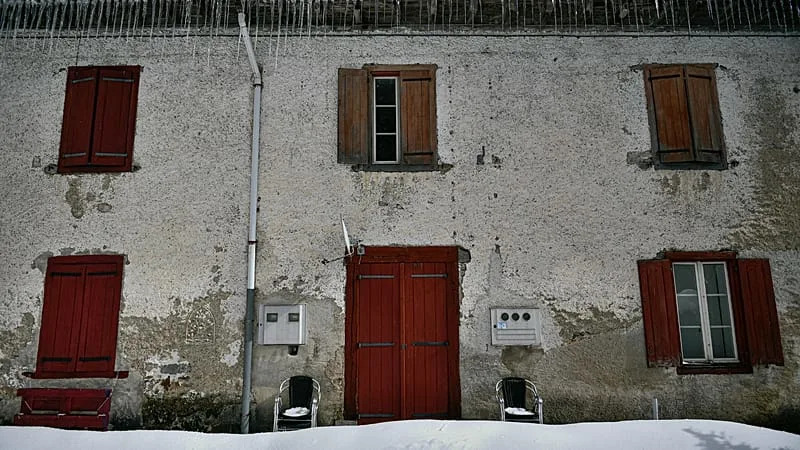
Living in a cold home can lead to significant health risks, including increased susceptibility to strokes, respiratory infections, and accidents resulting from reduced dexterity. The stark reality is that fuel poverty rates differ substantially across EU member states, highlighting an urgent social challenge.
Country-by-Country Breakdown of Fuel Poverty
While the percentage of people unable to heat their homes may seem modest at first glance, the actual number of individuals affected illustrates the severity of the problem. Using population figures from January 1, 2024, calculations reveal that the inability to maintain adequate home temperatures varies widely: from 2.7% in Finland to 19% in both Bulgaria and Greece.
When including EU candidate and EFTA countries, the range extends from just 0.7% in Switzerland to a staggering 33.8% in Albania. North Macedonia also stands out with a rate of 30.7%. Other countries like Lithuania, Spain, Portugal, Turkey, Cyprus, Montenegro, France, and Romania also report figures exceeding 10%.
In contrast, Italy and Germany show proportions below the EU average, although the UK’s latest data from 2018 indicates a rate of 5%.
Among the 36 countries analyzed, Turkey has the highest number of individuals affected by fuel poverty, with 12.9 million people unable to keep their homes warm in 2024. Although Turkey has the second-cheapest natural gas prices in euro terms and purchasing power standards, this has not alleviated the high levels of fuel poverty. In Spain, 8.5 million people experience similar challenges, followed closely by 8.1 million in France, 5.3 million in Germany, and 5.1 million in Italy.
Understanding the Causes of Fuel Poverty
Fuel poverty occurs when households are compelled to cut back on energy use to a degree that jeopardizes their health and well-being, as defined by the European Commission. Three primary factors contribute to this issue: a significant portion of household income spent on energy, low income levels, and the inadequate energy performance of buildings and appliances.
The COVID-19 pandemic, along with escalating energy prices and the Russian invasion of Ukraine in February 2022, has exacerbated an already dire situation for many EU citizens. Although the share of people unable to heat their homes has gradually declined since 2011, it reached its lowest levels in 2019 and 2021 before rising again, with recent reports indicating another decline last year.
The European Commission attributes this positive trend to a variety of factors, including a drop in retail prices for gas and electricity, the introduction of energy efficiency measures across EU nations, and a growing awareness of energy poverty issues and the populations affected.
In conclusion, while some regions in Europe are making progress, tens of millions still struggle with fuel poverty, emphasizing the need for targeted policies and effective interventions to address this pressing social issue.