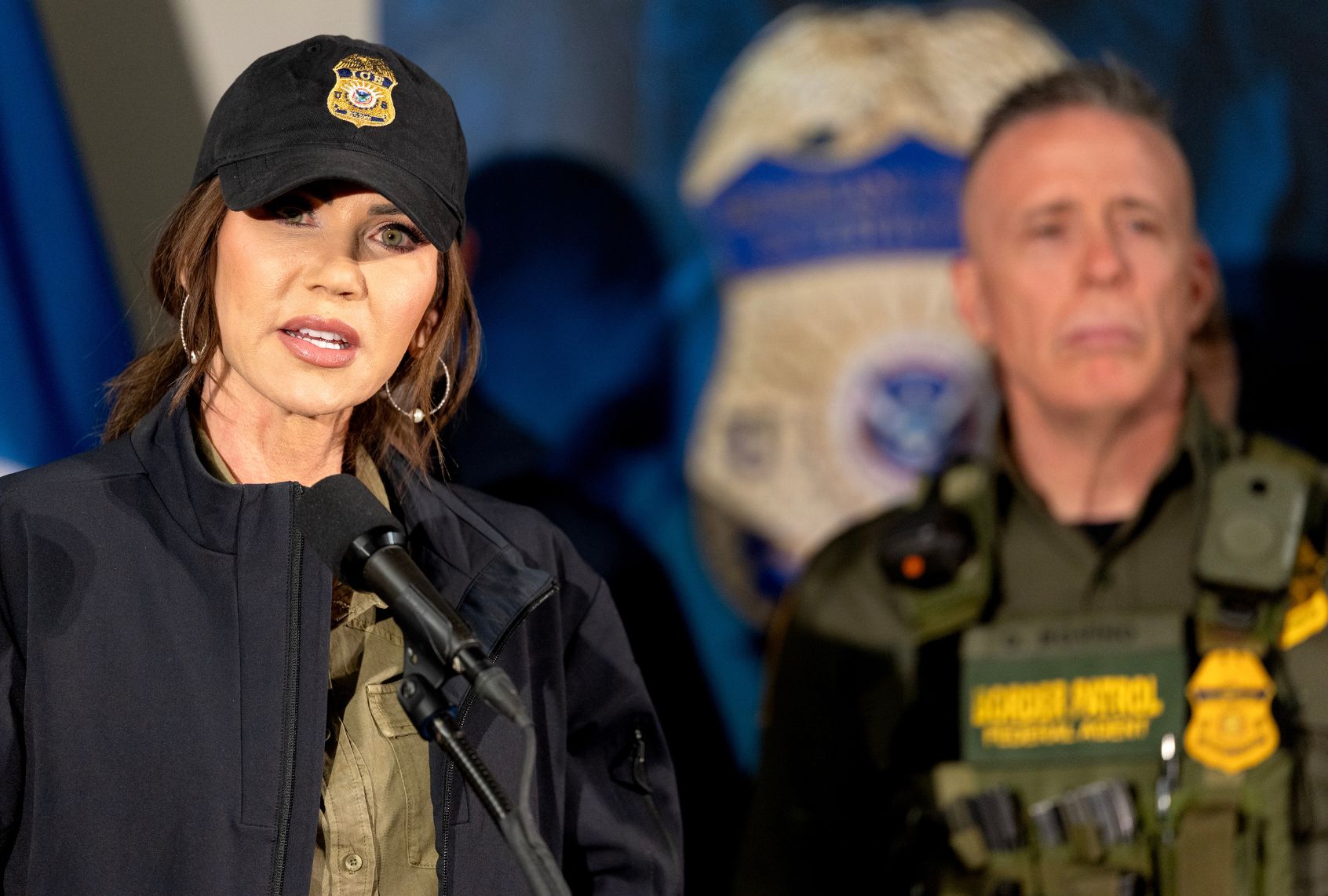
The recent shooting of Renee Nicole Good by an officer from the Immigration and Customs Enforcement (ICE) in Minneapolis has reignited discussions surrounding law enforcement practices and use-of-force policies. Good, a 37-year-old mother, was shot while sitting in her vehicle, prompting immediate debate over the justification of the incident and the implications for policing standards.
Local officials condemned the shooting, asserting that it raises critical questions about the tactical approaches employed by law enforcement agencies. In contrast, officials from the Trump administration defended the actions of the ICE officer as justified. This incident highlights a growing concern regarding police protocols, particularly the appropriateness of shooting at moving vehicles.
Shifting Policies in Law Enforcement
Many police departments have begun adopting policies that discourage shooting at moving vehicles, recognizing the potential for unnecessary loss of life. The New York City Police Department, for instance, instituted a prohibition against such actions decades ago, leading to a notable decrease in police-related fatalities without compromising officer safety.
According to research on police ethics and policy, there is broad consensus that policing should prioritize human life. While many agencies have implemented use-of-force policies that align with this principle, the recent shooting in Minneapolis underscores that not all departments have stringent measures in place. Some policies remain weak or ambiguous, allowing for interpretations that may lead to tragic outcomes.
The ICE’s current use-of-force policy states that officers are prohibited from discharging their firearms at the operator of a moving vehicle unless it is necessary to prevent a grave threat. This guideline emphasizes that deadly force should not be used solely to prevent a suspect from fleeing. Video evidence from the incident shows an officer attempting to gain access to Good’s vehicle while another officer was positioned directly in front of it as she attempted to drive away.
Critical Gaps in Policy Implementation
Despite the policy’s intentions, ICE’s guidelines lack a clear directive for officers to move out of the way of approaching vehicles when possible. This omission contrasts sharply with the Department of Justice policy, which explicitly instructs officers to avoid firing at vehicles if they can protect themselves by moving away. In 2022, President Joe Biden issued an executive order mandating that federal law enforcement agencies, including ICE, adopt use-of-force policies that meet or exceed those of the Department of Justice. Yet, the recommendation to step aside from moving vehicles did not find its way into ICE’s policy revisions.
The rationale behind prohibiting deadly force in situations where less harmful options exist is clear. The goal is to protect both officers and suspects. Shooting at a moving vehicle rarely brings it to an immediate stop and can escalate the situation further. Many police departments have recognized this, with recent analyses revealing that approximately three-quarters of the largest police agencies in the United States have policies against shooting at moving vehicles.
The Minneapolis shooting starkly illustrates the disconnect that can exist between law enforcement policies and best practices aimed at preserving life. Historical precedents, such as the U.S. Supreme Court’s 1985 ruling against the “fleeing felon rule,” show that clear prohibitions on questionable tactics can lead to a decrease in police killings and reinforce accountability measures for officers involved in deadly encounters.
As the investigation into the shooting continues, the case serves as a critical reminder of the need for law enforcement agencies, including ICE, to align their policies with best practices that prioritize the sanctity of human life. The outcome of this incident may prompt further examination and potential reforms in the way officers are trained to handle high-pressure situations, ultimately striving to prevent future tragedies.
The ongoing discourse surrounding police use-of-force policies remains vital as communities seek to navigate the complexities of law enforcement in a manner that respects individual rights and prioritizes safety for all.