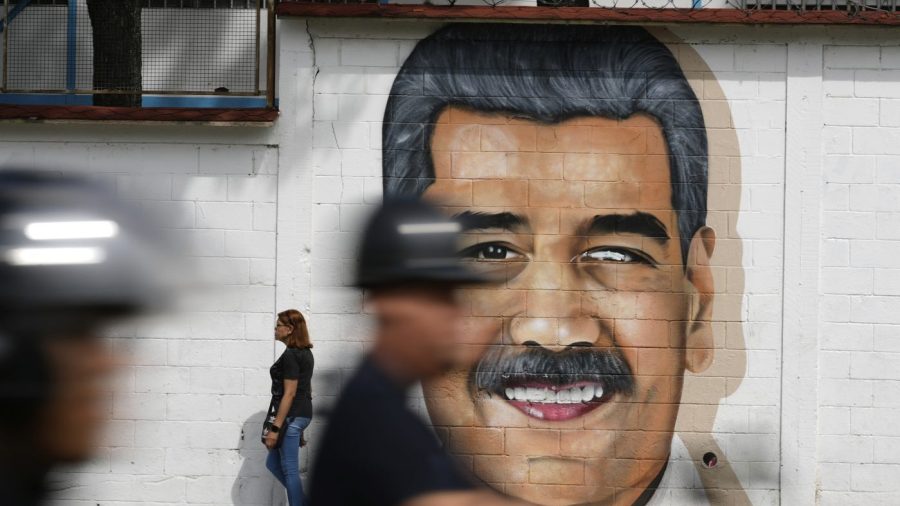
In recent discussions surrounding Venezuelan politics, the legacy of former President Hugo Chávez and current leader Nicolas Maduro has come under scrutiny. While Chávez, who served from 1999 until his death in 2013, is often hailed as a champion of the poor in Latin America, Maduro’s tenure has been marred by economic turmoil and widespread criticism.
Chávez’s administration established the United Socialist Party (PSUV) and implemented various social programs aimed at poverty alleviation. These initiatives earned him a degree of admiration not only in Venezuela but across the region. Conversely, Maduro’s leadership, which began following Chávez’s death, has faced severe challenges, leading to a decline in public support and a tarnished reputation.
As Venezuela grapples with hyperinflation, which reached an alarming rate of over 2,500% in 2020, the impact of Maduro’s policies has been stark. According to the International Monetary Fund (IMF), the country’s GDP contracted by approximately 75% from 2013 to 2021. This economic collapse has resulted in widespread shortages of basic goods, including food and medicine, exacerbating the humanitarian crisis.
Despite these dire circumstances, Maduro retains a loyal base of supporters, many of whom view him as a continuation of Chávez’s legacy. His government emphasizes the social programs initiated by Chávez, aiming to maintain the image of a regime that prioritizes the needs of the less fortunate. However, critics argue that the current administration has deviated significantly from those ideals, with allegations of corruption and human rights abuses surfacing repeatedly.
The contrast between Chávez and Maduro raises important questions about leadership effectiveness in Venezuela. While Chávez’s charisma and populist policies garnered him respect, Maduro’s governance style has often been described as authoritarian. Under Maduro, the political landscape has shifted dramatically, with increased state control over the economy and a crackdown on opposition voices.
Internationally, Maduro’s government has faced condemnation from multiple countries and organizations, leading to sanctions that have further isolated Venezuela. Despite this, Maduro continues to leverage his position, often framing external pressures as attempts to undermine Venezuela’s sovereignty.
In conclusion, the narrative surrounding Nicolas Maduro remains complex. While he is seen as a continuation of Chávez’s work, the drastic downturn in Venezuela’s economy and the resulting humanitarian crisis have overshadowed any achievements. The legacy of these leaders will continue to evoke debate as Venezuela navigates its challenging political and economic landscape.