HARRISBURG, PA — Pennsylvania is taking significant steps to enhance its natural environment by prioritizing rivers, wildlife, and public lands. The state has introduced a series of initiatives designed to encourage public participation, support biodiversity research, and strengthen stewardship across its diverse ecosystems.
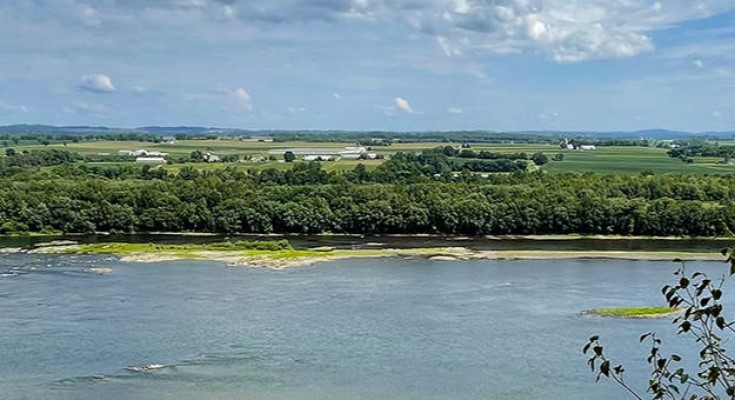
On December 5, 2023, the Pennsylvania Department of Conservation and Natural Resources (DCNR) launched an online voting platform for the state’s 2026 River of the Year competition. Residents have until January 16 to select from three nominated waterways: the Conestoga River, the Chillisquaque Creek, and the lower Schuylkill River. Each nominee highlights unique recreational, cultural, and economic values while fostering community pride.
The Conestoga River, which flows over 61 miles to the Susquehanna River, is renowned for activities such as canoeing, kayaking, tubing, and fishing. The Chillisquaque Creek, a 20-mile tributary of the West Branch Susquehanna, meanders through four counties, offering a variety of outdoor recreational opportunities within its 112-square-mile watershed. The lower Schuylkill River stretches 36 miles through the greater Philadelphia region, serving as a key recreational corridor in southeastern Pennsylvania.
In a related effort, the Shapiro Administration announced on December 7, 2023, the allocation of nearly $530,000 in grants for 15 projects aimed at conserving native biodiversity. This funding will support research initiatives focused on protecting various species, including rare plants and insects, birds, fish, and mammals. These projects encompass a wide range of activities, from mapping green salamander habitats to conducting the first comprehensive inventory of fireflies in Pennsylvania.
DCNR officials indicated these grants, administered through the Wild Resource Conservation Program, are vital for addressing knowledge gaps and informing conservation strategies statewide. Projects will evaluate species such as prairie warblers, northern harriers, and the Allegheny woodrat, utilizing innovative methods like conservation detection dogs and DNA barcoding to catalogue native bee diversity.
The funding aligns with broader investments outlined in the state budget for 2025-26, which emphasizes increased support for DCNR, invasive species control, and the expansion of state parks.
Additionally, on December 12, DCNR announced a leadership change within the Pennsylvania Wilds. Michael Plish has been appointed as the manager of Chapman State Park in Warren County. He will oversee the 862-acre park and Chapman Lake, a popular destination adjacent to state game lands and the Allegheny National Forest. Plish, a Moon Township native and graduate in environmental science from Clarion University, brings valuable experience from his previous roles in various state parks and with the Pennsylvania Outdoor Corps.
These initiatives collectively reflect Pennsylvania’s commitment to engaging the public, investing in science-driven conservation, and enhancing the management of its natural resources. As the Commonwealth embraces environmental protection, it underscores the dual importance of civic responsibility and economic sustainability.