U.S. President Donald Trump announced on Sunday that Iran has expressed interest in negotiations following heightened tensions between the two nations. This statement comes as reports indicate that the death toll from ongoing protests in Iran has risen to at least 544 individuals, according to the Human Rights Activists News Agency. The unrest has been fueled by a brutal crackdown on demonstrators, leading to widespread international concern.
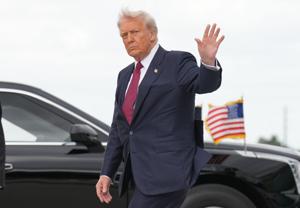
In a briefing aboard Air Force One, Trump stated, “The military is looking at it, and we’re looking at some very strong options.” He hinted at possible U.S. responses, including cyberattacks and military strikes. When asked about threats from Iran, Trump replied, “If they do that, we will hit them at levels that they’ve never been hit before.” He added that his administration is working to set up a meeting with Tehran, although he cautioned that action may be necessary before any formal negotiations take place.
The Iranian government has not yet publicly acknowledged Trump’s offer for talks. Tensions have escalated as Iran’s leadership warned that U.S. military forces and Israel would be considered “legitimate targets” if the U.S. takes military action to protect protesters.
Reports indicate that over 10,600 people have been detained during the protests, which began on December 28, 2022, primarily in response to the collapse of the Iranian rial currency, which trades at over $1 for more than 1.4 million rials. The protests have evolved from economic grievances into broader calls for political reform, challenging the authority of Iran’s theocratic government.
Escalating Violence and International Reactions
As the protests continue, activists have documented that at least 496 of those killed were protesters, while 48 were members of security forces. The Iranian government’s internet blackouts and communication restrictions have hindered efforts to assess the situation accurately from abroad. Given these challenges, the Associated Press has been unable to independently verify reports of casualties.
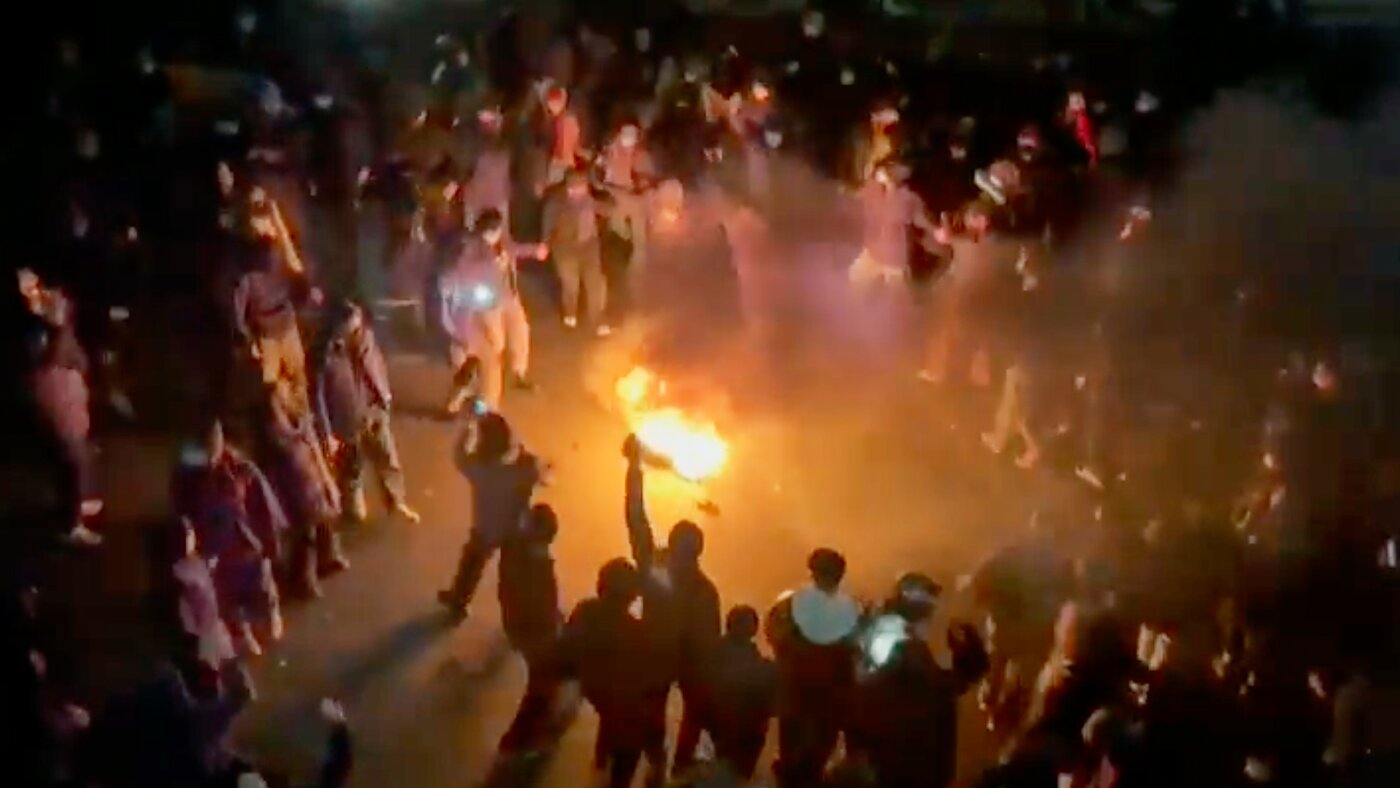
On the ground, protests have surged in major cities, including Tehran and Mashhad. Videos circulating online reportedly show demonstrators in northern Tehran’s Punak neighborhood waving lit mobile phones and confronting security forces. State television, however, aired reports featuring calm scenes from other areas, further complicating the narrative.
In a parliamentary address, Mohammad Baagher Qalibaf, the speaker of Iran’s parliament, issued a direct threat to Israel, referring to it as “the occupied territory.” He stated, “In the event of an attack on Iran, both the occupied territory and all American military centers, bases, and ships in the region will be our legitimate targets.” This rhetoric reflects a hardening stance within Iran’s leadership, with lawmakers chanting “Death to America!” during the address.
Internationally, reactions have varied. United Nations Secretary-General Antonio Guterres expressed shock at the violence against protesters, urging Iranian authorities to exercise restraint and restore communication networks. Meanwhile, Pope Leo XIV acknowledged the ongoing tensions in Iran and hoped for dialogue and peace.
The Path Forward
As the situation develops, the Pentagon and Trump’s national security team must navigate complex military deployments, including significant U.S. forces stationed in the Caribbean. The possibility of military action remains on the table, but the ultimate decision rests with Iran’s Supreme Leader Ayatollah Ali Khamenei, who has the final say in matters of national defense.
The ongoing unrest in Iran highlights a significant moment in the country’s history, as citizens demand change amid a backdrop of economic hardship and political repression. With international scrutiny intensifying, the coming days will be crucial in determining the future of both U.S.-Iran relations and the Iranian protests.