Russian President Vladimir Putin has indicated that certain elements of a U.S. plan to resolve the ongoing conflict in Ukraine are unacceptable, as diplomatic discussions continue to unfold. His comments, made public on March 15, 2024, suggest that significant hurdles remain before any agreement can be reached. The U.S., under the leadership of President Donald Trump, has initiated a renewed diplomatic effort to end the war, which has persisted since Russia’s full-scale invasion nearly four years ago.
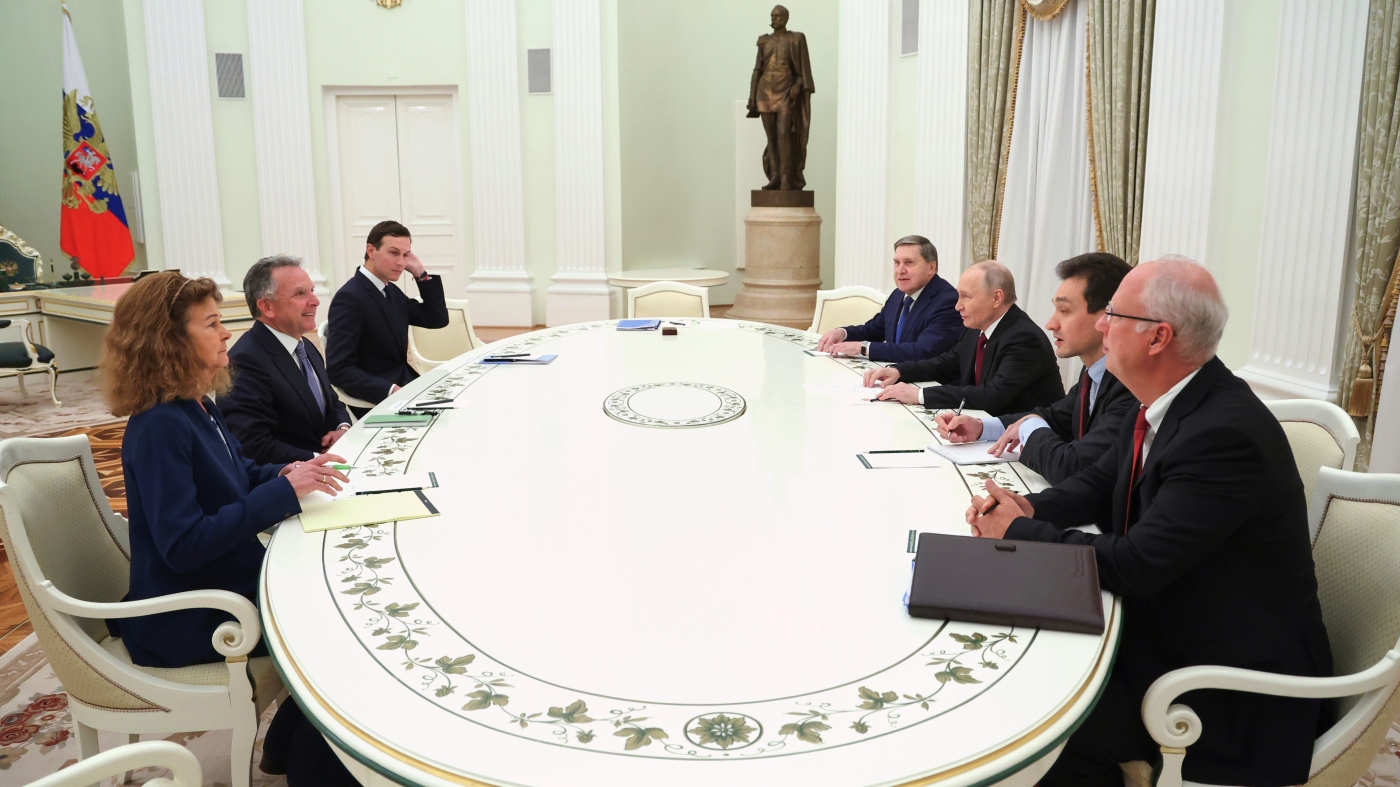
During a recent five-hour meeting in the Kremlin with U.S. officials Steve Witkoff and Jared Kushner, Putin described the discussions as “necessary” and “useful,” although he acknowledged the complexity of the negotiations. Some proposals, he emphasized, were simply “unacceptable” to the Kremlin. Putin’s remarks came shortly before his arrival in New Delhi for a state visit, where he spoke to the India Today TV channel.
In the interview, Putin noted that the lengthy discussions were essential for addressing each point in the U.S. peace proposal. “This was a necessary conversation, a very concrete one,” he stated. While expressing a willingness to discuss certain provisions, he refrained from specifying which aspects Russia might accept or reject, citing the premature nature of such disclosures.
Efforts to facilitate peace have faced significant challenges, particularly regarding the contentious issue of territorial concessions. The U.S. delegation is expected to continue talks with Ukraine’s chief negotiator, Rustem Umerov, later today in Miami. A senior official from the Trump administration, who chose to remain anonymous, confirmed the scheduled meeting, indicating a persistent commitment to seek a resolution.
International Responses and Continued Conflict
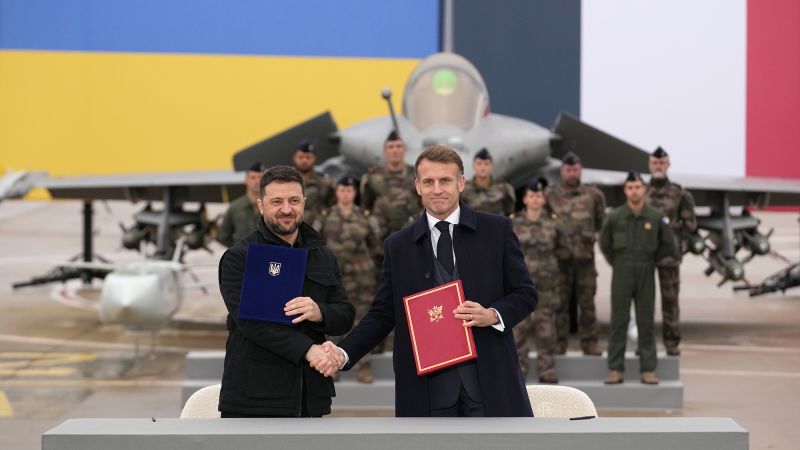
European leaders have observed the U.S.-Russia negotiations with concern, feeling sidelined as Washington engages directly with both Moscow and Kyiv. French President Emmanuel Macron recently met with Chinese leader Xi Jinping in Beijing, urging China to exert pressure on Russia for a ceasefire. Xi, while supportive of Russia diplomatically, did not explicitly respond to France’s call but stated that “China supports all efforts that work towards peace.”
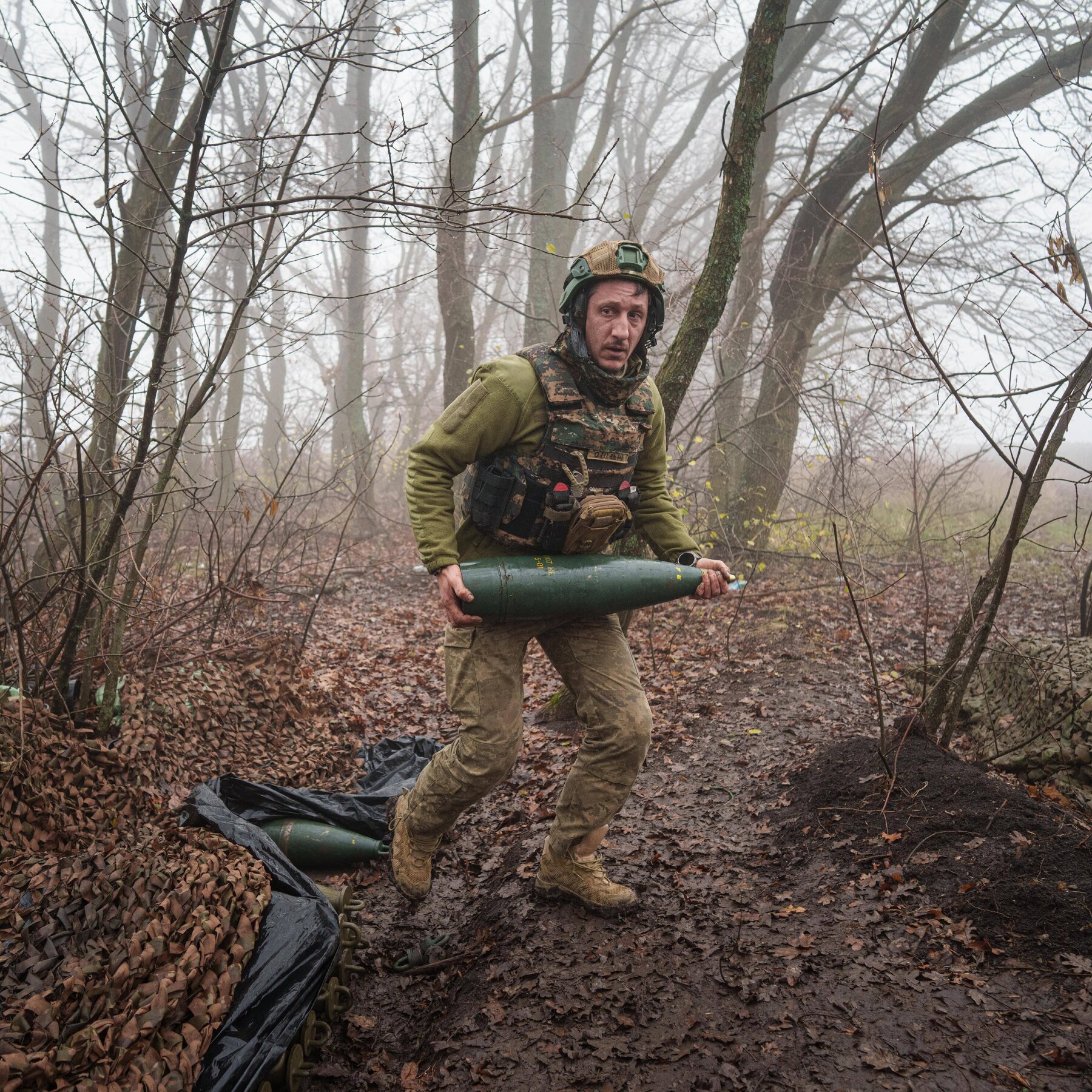
On the ground in Ukraine, the conflict persists with significant civilian impact. Russian forces continued bombardments overnight, targeting civilian areas. A missile strike in Kryvyi Rih injured six people, including a three-year-old girl, while also damaging over 40 residential buildings, a school, and gas pipelines. In a separate incident, a six-year-old girl died in Kherson due to injuries sustained from artillery shelling the previous day.
Authorities in Kherson reported that the local thermal power plant, crucial for heating over 40,000 residents, shut down following relentless attacks. Emergency meetings are underway to find alternative heating sources, with tents set up across the city to provide warmth and charge electronic devices.
The military actions have not only affected urban centers but have also resulted in casualties in occupied territories. In the Russian-occupied region of Kherson, two men were killed by a Ukrainian drone strike, while a 68-year-old woman was injured in the same attack, according to the Moscow-installed regional leader Vladimir Saldo.
As diplomatic efforts continue, the situation remains fluid, with both sides navigating a complex landscape of demands and expectations. The international community watches closely, hopeful for a resolution but aware of the significant challenges that lie ahead.