Russian officials remain resolute in their ongoing invasion of Ukraine, believing they can outmaneuver the United States in negotiations aimed at ending the conflict. According to Kaupo Rosin, head of Estonia’s Foreign Intelligence Service, Moscow is biding its time and shows no genuine interest in cooperating meaningfully with Washington.
During an online briefing ahead of the release of Estonia’s annual security report, Rosin revealed that these insights stem from intelligence gathered on “Russian internal discussions.” He emphasized that there is “absolutely no discussion about how to really cooperate” with the U.S., despite Russian claims of seeking a negotiated settlement.
While U.S.-brokered talks involving envoys from both Russia and Ukraine have been described as constructive, progress on key issues remains elusive. The Estonian intelligence chief noted that Russian President Vladimir Putin continues to believe he can achieve a military victory in Ukraine.
A White House official responded to Rosin’s comments by claiming that the president’s negotiators have made “tremendous progress” in discussions to end the war. Since May, there have been sporadic prisoner exchanges, including a recent agreement in Abu Dhabi involving the release of over 300 prisoners, which the official described as a sign of advancing efforts for peace. This official requested anonymity to speak on the sensitive topic.
Ukrainian President Volodymyr Zelenskyy recently indicated that the U.S. has set a June deadline for both Russia and Ukraine to reach a settlement, a move seen by some as an effort to accelerate peace negotiations. However, analysts have pointed out that previous deadlines set by Donald Trump, during his presidency, have come and gone without significant results.
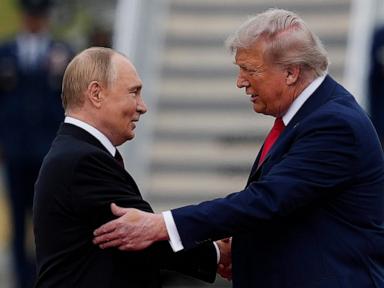
Fiona Hill, a respected Russia expert and former adviser to Trump, noted that both leaders seem determined to maintain their narratives. She stated, “Both need their version of events to play out,” with Putin depicted as the victor and Trump as the effective dealmaker. Despite Trump’s assertions that Putin seeks peace, he has expressed frustration over the Russian leader’s lack of commitment to the talks.
From an intelligence standpoint, Rosin expressed confusion over why U.S. officials believe that Putin genuinely desires to end the war. He suggested that many Russian officials are not convinced they are winning, but those at higher levels may receive overly optimistic reports that do not reflect the true situation on the ground.
Rosin explained that Putin is likely receiving incorrect information from his advisors, which fuels his belief in potential military success. He pointed out that as one moves down the ranks of Russian leadership, there is a clearer understanding of the dire situation faced by their forces. Reports indicating Russian gains may be exaggerated, leading to a skewed perception of the conflict’s progress.
Hill added that Trump’s negotiating team, including special envoy Steve Witkoff and son-in-law Jared Kushner, may not fully grasp the complexities of the situation. She raised concerns about whether they understand the implications of their discussions, particularly given reports that Witkoff attended meetings with Putin without a U.S. State Department translator. This lack of direct communication could result in selective interpretations of the negotiations.
Rosin concluded that Putin’s fixation on controlling all of Ukraine is so deeply ingrained that it overshadows other considerations, including the economic repercussions of the conflict. He suggested that the war may continue for years unless significant changes occur on the battlefield or within Russia itself, potentially threatening Putin’s hold on power.
The ongoing situation remains fluid, and the next steps in negotiations will be closely monitored by both sides as they navigate this complex conflict.