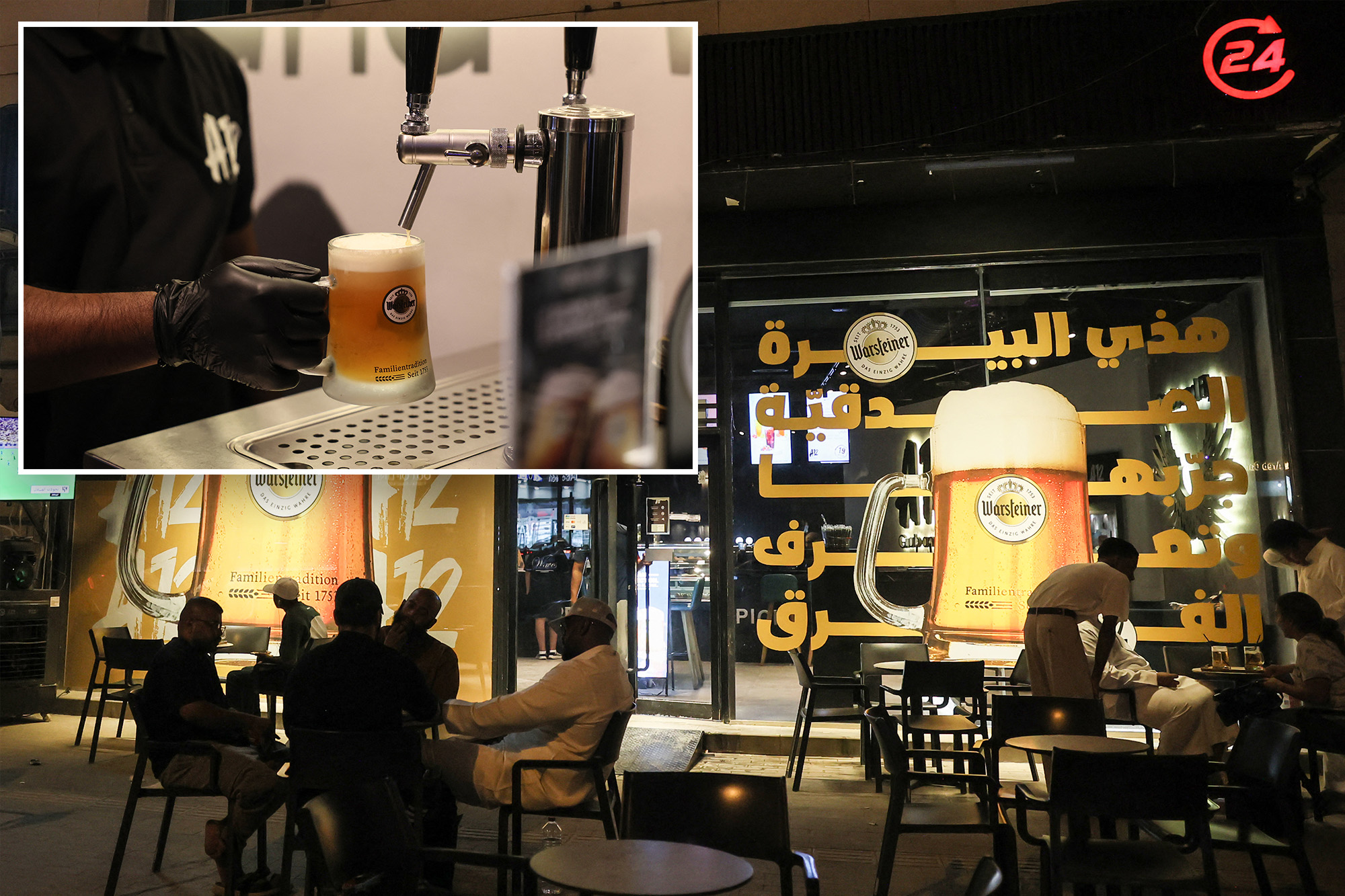
Saudi Arabia has announced a significant change in its alcohol sales policy, allowing non-Muslim foreign residents to purchase alcohol, but only if they meet stringent financial criteria. As part of a broader initiative to attract foreign investment and enhance its global business profile, the country will now permit this access to individuals earning over 50,000 riyals, approximately $13,300, per month.
Historically, Saudi Arabia has maintained strict regulations on alcohol sales, reflecting its adherence to Islamic principles, which discourage the consumption of alcohol among Muslims. These principles have shaped the nation’s laws and social norms. Recently, however, the country has begun to relax some of these restrictions. For example, women were granted the right to drive, marking a shift in societal attitudes.
The recent policy change enables non-Muslim residents to visit the capital’s only liquor store, located in Riyadh. Previously, this store primarily served foreign diplomats. According to sources familiar with this development, access now extends to foreign residents with premium residency status, also known as the Saudi Green Card. This program targets skilled professionals, entrepreneurs, and investors who have lived in Saudi Arabia for at least 30 months over a period of five years.
To enter the liquor store, potential customers must provide a salary certificate verifying their eligibility. The average salary in Saudi Arabia hovers around 10,250 riyals, or $2,750, making the financial threshold for alcohol purchases quite high. This disparity raises questions about the accessibility of this new policy for many foreign residents.
Accessing the liquor store involves a point-based system that limits monthly purchases. Customers must register for time slots through a mobile application, where they receive a clearance code from the foreign ministry. This system emphasizes the exclusivity of the new alcohol purchasing rights, which aligns with the broader goals of Saudi Arabia’s Vision 2030 initiative.
Efforts to modernize the country’s economy and enhance its appeal as a business hub are driving these changes. Officials aim to diversify the economy away from oil dependence and create a more welcoming environment for foreign investment. By allowing select non-Muslim residents to purchase alcohol, Saudi Arabia is signaling its commitment to attracting a diverse expatriate community.
The implications of this policy shift extend beyond mere access to alcohol. It reflects a larger cultural evolution within the country, as Saudi Arabia seeks to balance its traditional values with the demands of a globalized economy. The international community will be closely observing how these changes affect both local society and foreign relations.
As Saudi Arabia moves forward with its ambitious plans, the impact of these evolving policies will likely resonate far beyond its borders, influencing perceptions and interactions with the global community.