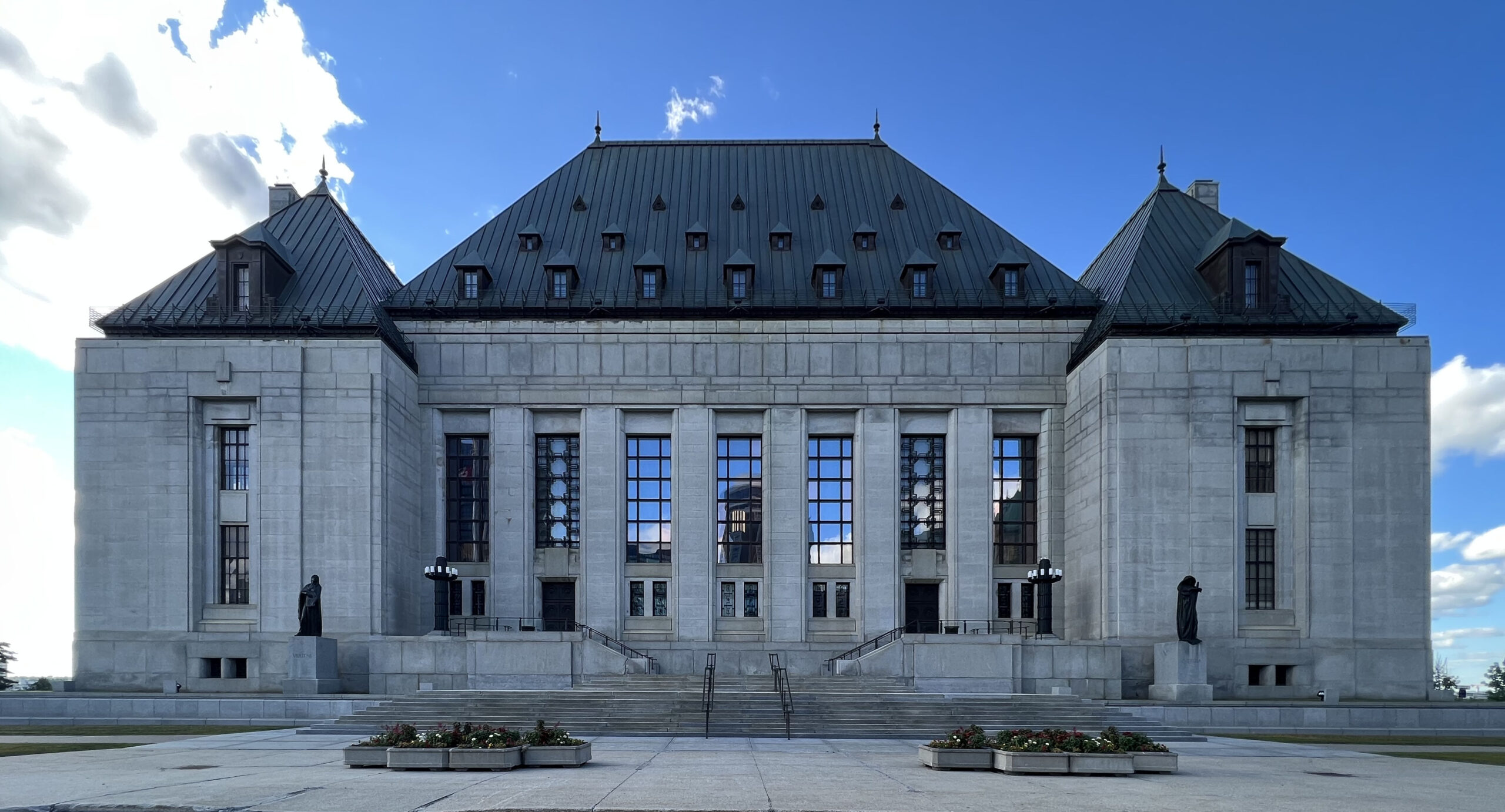
The Supreme Court of Canada ruled on March 15, 2024, that interprovincial mobility is a constitutional right under Section 6 of the Canadian Charter of Rights and Freedoms. This landmark decision asserts that Canadians have the right to move freely within the country, and any government-imposed travel restrictions must be justified as reasonable and necessary.
The court’s ruling emphasizes the dual purpose of Section 6: protecting individual autonomy and promoting national unity. The justices noted that the right to travel within Canada is fundamental to nation-building. Additionally, the court considered Canada’s obligations under the International Covenant on Civil and Political Rights, which guarantees the right to free movement across a state’s territory.
A five-judge majority concluded that interprovincial travel restrictions infringe upon both the right to stay in Canada as outlined in Section 6(1) and the right to relocate and reside in any province as specified in Section 6(2)(a). The dissenting judges argued that the right to interprovincial mobility should be categorized differently, which has significant implications for the scope of rights granted to citizens versus permanent residents.
Chief Justice Richard Wagner, along with Justices Nicholas Kasirer and Mahmud Jamal, argued for interpreting the right to interprovincial mobility under Section 6(2). They maintained that Section 6(1) focuses solely on the right to cross international borders without state interference. Conversely, Justice Malcolm Rowe contended that the right to travel within Canada is inherently linked to the right to remain in the country as stated in Section 6(1). He expressed concerns that allowing the government to impose non-discriminatory limits undermines the essence of this fundamental right.
The ruling received a positive response from the Canadian Civil Liberties Association, which hailed it as a validation of interprovincial mobility as a fundamental human right integral to individual autonomy and national cohesion.
The context of this ruling stems from restrictions imposed during the COVID-19 pandemic. In a previous case, Newfoundland and Labrador had barred non-residents and essential workers from entering the province, preventing an applicant from attending her mother’s funeral. Although the court affirmed the principle of interprovincial mobility, it upheld the travel restriction in light of the pandemic’s seriousness and the associated scientific uncertainties.
This decision marks a significant moment in Canadian jurisprudence, as it is the first time the Supreme Court has specifically addressed the right to travel freely within the country. Previous rulings have primarily focused on residency and economic activities.
As Canada continues to navigate the complexities of public health and individual rights, this ruling sets a precedent for future considerations of interprovincial mobility in the context of government regulations and public policy.