Teboho Edkins and his father, Don Edkins, unveil their deeply personal documentary, an open field, at the International Documentary Film Festival Amsterdam (IDFA) this Sunday. The 38-minute film explores the aftermath of the tragic March 2019 crash of a Boeing 737 MAX, which claimed the lives of all 157 individuals on board, including Teboho’s younger brother, Max Thabiso Edkins.
The film chronicles the Edkins family’s journey to the crash site in Ethiopia, where they sought to confront their overwhelming grief. According to the film’s synopsis, “What they find is a community in which mourning is an important part of the culture.” The villagers have also felt the profound impact of the crash, with their lives significantly altered. As Teboho and Don connect with the local community, they discover that the villagers honor the crash victims as if they were their own family, a stark contrast to the corporate response from Boeing, which has faced widespread criticism over the incident.
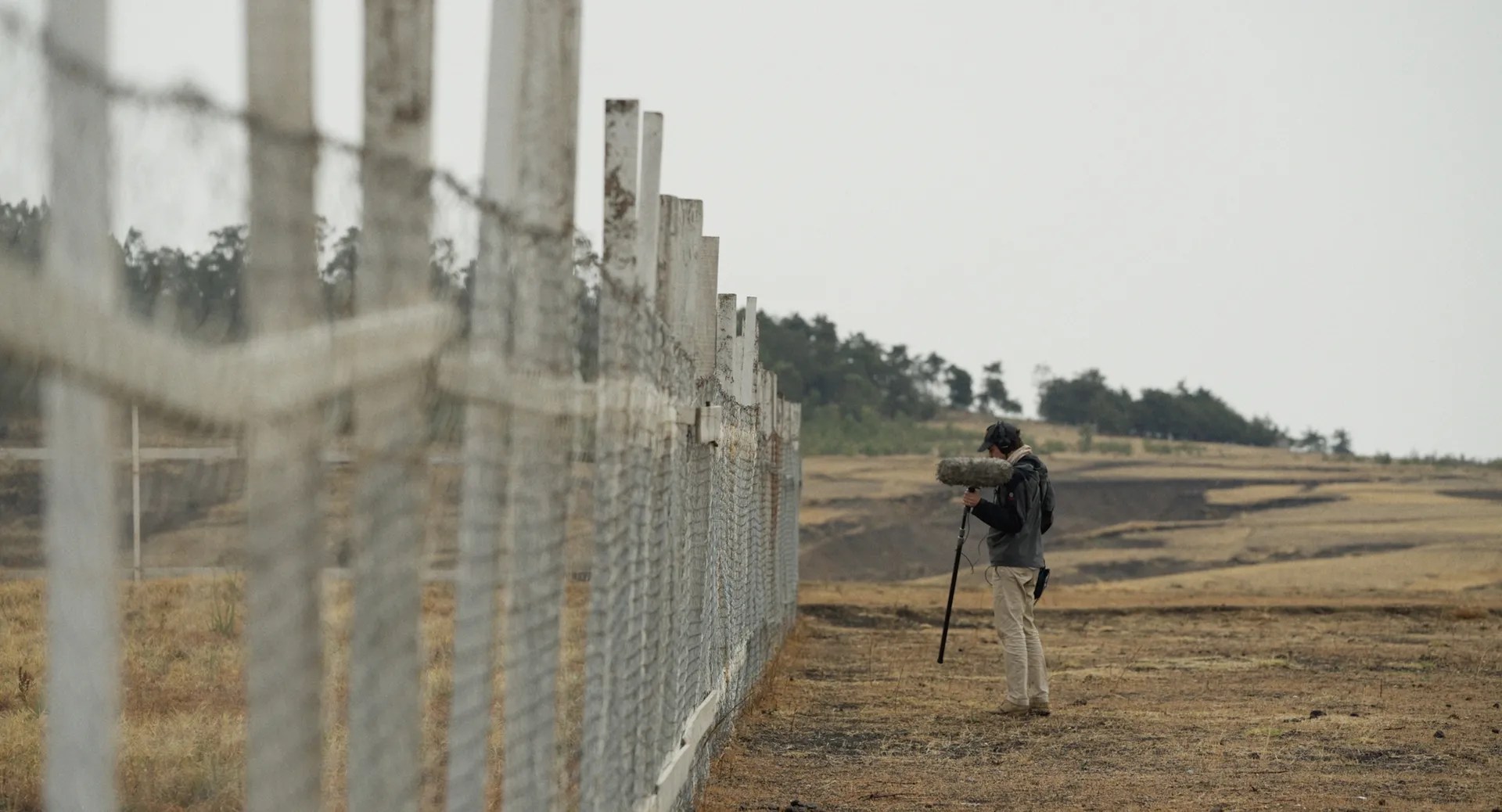
Teboho Edkins recalls his first visit to the crash site shortly after the tragedy. “I showed the local villagers sitting by the crater photos of my brother Max and realized that they had become the custodians of the site,” he said. Initially hesitant to engage in the project, Teboho eventually embraced the film’s creation after years of coming to terms with his loss. With the help of his father, who has a background in documentary filmmaking, the duo received exclusive permission from Ethiopian Airlines to film at the site in 2022, following extensive relationship building.
Don Edkins, a seasoned documentary producer, expressed his motivation for creating the film: “I wanted to make a film about the crash that would highlight the injustice that took so many lives.” He emphasized the importance of using documentary cinema to spotlight human rights issues, a principle shaped by his experiences growing up in South Africa under apartheid.
Reflecting on a visit to the crash site for its first anniversary in March 2020, Don described a moment of profound connection as he witnessed hundreds of community members coming together to mourn. “Such pure humanity stood in stark contrast to Boeing’s widely criticized actions,” he noted, referring to the company’s failure to adequately inform pilots about a flawed flight-control system. These issues have been central to official investigations into the tragedy, with reports highlighting Boeing’s profit-driven decisions over safety.
The film utilizes a mix of color and black-and-white cinematography and features dialogue in both English and Amharic. It will be showcased in the IDFA 2025 Competition for Short Documentary program.
In a poignant moment within the film, an eyewitness to the crash shares his harrowing experience, further underscoring the human impact of this tragedy. Teboho Edkins concludes the clip with a personal note, stating, “The film I didn’t want to make,” encapsulating the emotional weight behind this significant work.
As an open field prepares for its premiere, it stands as a powerful testament to the intertwined narratives of loss and community resilience, while also sparking critical conversations about corporate accountability in the airline industry.