Protests erupted in Jerusalem as members of the ultra-Orthodox Jewish community expressed strong opposition to Israel’s military recruitment program targeting their community. This escalation in tensions highlights the ongoing conflict between secular and ultra-Orthodox factions within Israeli society.
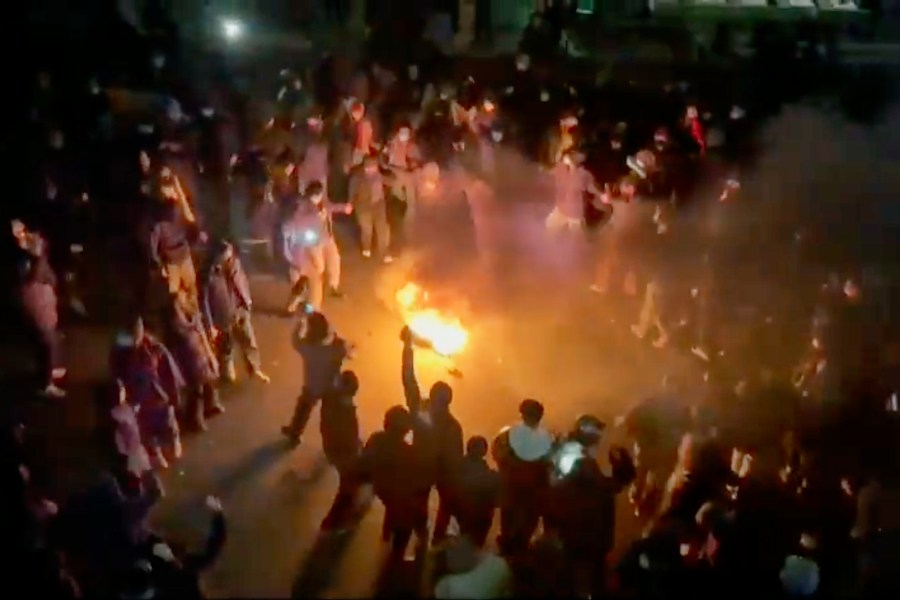
On August 15, 2023, demonstrators gathered outside the Jerusalem District Court, voicing their dissent against the Israeli government’s decision to implement mandatory military service for ultra-Orthodox men. The Israeli Defense Forces (IDF) has been pushing for greater inclusion of this community in military service, a move that has faced significant backlash from its members.
Many protesters carried signs reading, “Our faith is our defense,” emphasizing their belief that religious obligations should take precedence over military duties. The ultra-Orthodox community argues that their way of life, which prioritizes religious study, should exempt them from conscription.
According to the Israeli government, the new recruitment policies aim to integrate ultra-Orthodox Jews into the military, helping to bridge the gap between secular and religious populations. Government officials assert that national service is a shared responsibility that benefits all citizens and strengthens the nation.
Despite these claims, the ultra-Orthodox community remains steadfast in its resistance. Leaders within the community have called for ongoing protests to challenge the government’s policies, citing concerns that conscription undermines their religious values and cultural identity.
As tensions continue to flare, the Israeli government faces pressure to address the needs and concerns of various factions within society. The situation underscores the complex interplay between national security and religious freedom in Israel, raising fundamental questions about the essence of citizenship and duty in a diverse society.
The protests reflect deep-rooted divisions that go beyond military service, touching on broader issues of identity, faith, and the role of religion in public life. Moving forward, it remains to be seen how the Israeli government will navigate these challenging dynamics, especially as public sentiment grows more polarized on the issue.
In the coming weeks, further demonstrations are anticipated, signaling that the debate over military recruitment will remain a contentious topic within Israeli discourse.