In recent months, a significant shift in attitudes towards tourism has emerged across various countries, with many popular destinations experiencing a backlash against tourists. Protests and government actions reflect a growing sentiment that local quality of life is suffering due to the surge in visitor numbers.
Spain’s Anti-Tourism Movement
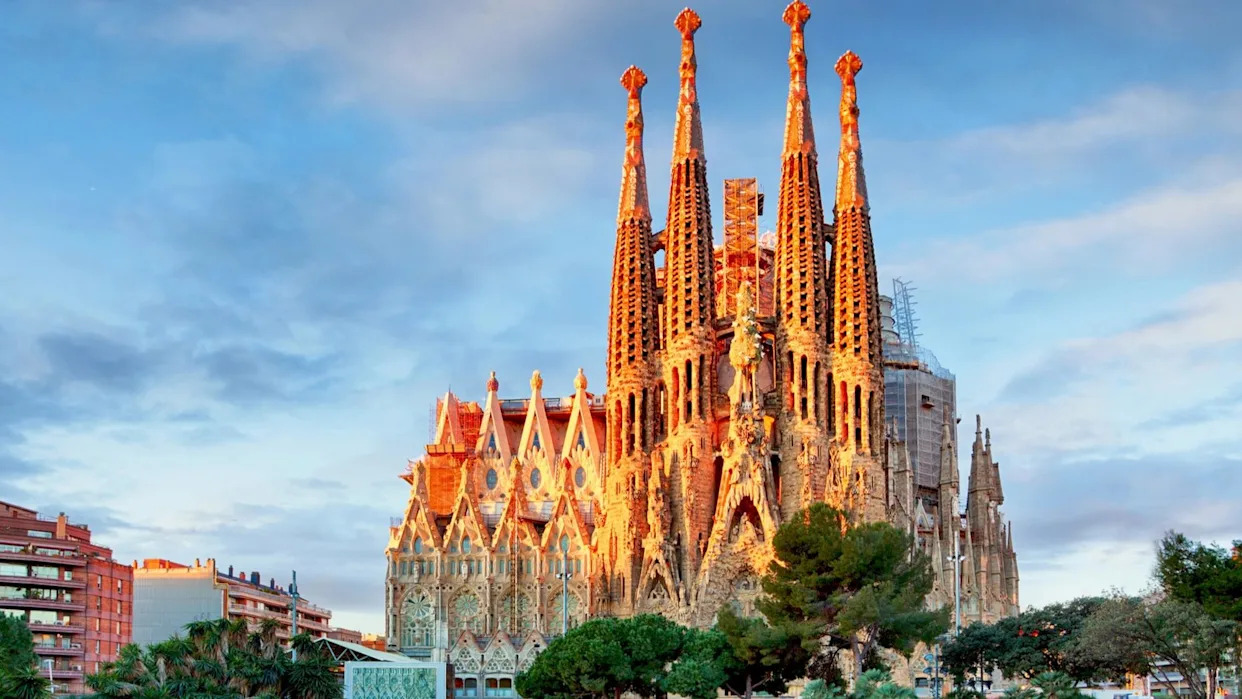
In July 2024, Barcelona witnessed a large-scale protest where thousands of demonstrators marched down La Rambla. They carried signs proclaiming “Tourism kills the city” and “Tourists go home, you are not welcome.” Some protesters even resorted to using water pistols to spray tourists dining outdoors, prompting them to leave their tables. Spain welcomed approximately 42.5 million tourists in the first half of 2024, marking increases of 11.5% from 2019 and 13.3% from 2023. This influx has overwhelmed infrastructure and driven up housing costs, raising concerns among locals. Protests have spread beyond Barcelona, with cities like Cadiz and Lanzarote joining the demonstrations.
Amsterdam’s Deterrent Campaign
In response to rising anti-tourism sentiment, the government of Amsterdam has launched a “Stay Away” campaign aimed specifically at British tourists. Videos released as part of the campaign depict young men being arrested or fined during raucous stag parties. Despite these efforts, data indicated that the campaign did not significantly deter British holidaymakers. In March 2024, the city intensified its strategy with an online survey called Amsterdam Rules to further address disruptive tourist behavior.
Japan is also grappling with the effects of overtourism. The nation recorded an unprecedented 36.87 million international visitors in 2024, reflecting a 47.1% increase compared to the previous year. The Japan National Tourism Organization (JNTO) reported that tourists from South Korea, China, Taiwan, and Hong Kong accounted for nearly 60% of visitors in October 2024. In response to local concerns, Kyoto’s newly elected mayor, Koji Muramasa, has advocated for measures to combat overtourism. Recently, the city banned tourists from entering private alleys in Gion, emphasizing that the area is “not a theme park.”
Venice’s New Tourist Fees
Venice has also taken drastic measures to manage tourism. In April 2024, the city introduced a €5 fee for day-trippers. This decision sparked protests, with groups marching through the city holding banners like “Welcome to Veniceland” and “No to the ticket.” The city’s struggles with overtourism have been evident for years, leading to the banning of cruise ships from docking in the city center in 2021. Locals continue to voice frustrations over the impact of mass tourism on their daily lives.
Political unrest in Turkey has further complicated the tourism landscape. Frequent protests and demonstrations in Istanbul have raised concerns about safety and stability. In 2024, travel restrictions were implemented as protests escalated, leading to increased police presence with tear gas and water cannons being deployed. A survey by the UNHCR revealed that 77% of respondents in Turkey supported closing the border to refugees, reflecting the heightened tensions in the region.
Croatia’s coastal city of Split has also begun imposing fines on tourists for antisocial behavior. Signs now warn visitors of potential fines of €300 for public urination, climbing on monuments, or sleeping in public spaces. While these measures may seem less severe compared to other destinations, they highlight a growing frustration among locals regarding disrespectful tourist behavior.
Iran presents a different challenge, where political tensions often overshadow the country’s renowned hospitality. Although Iran boasts rich cultural heritage and breathtaking landscapes, its strained relations with Western nations and potential for political unrest can deter visitors. The warmth of the Iranian people contrasts sharply with the broader political atmosphere, creating a complex environment for international tourists.
North Korea remains an extreme case of restricted tourism. With strict government control and surveillance, visitors face significant limitations on their movements and activities. Due to the political climate, American citizens are currently banned from traveling to North Korea following the incident involving Otto Warmbier. The tightly controlled environment contributes to a sense of unease for those who do visit.
In Russia, the allure of its vast landscapes and rich history is often overshadowed by bureaucratic barriers and geopolitical tensions. Stringent visa requirements and a complicated political climate make travel daunting for many. As the ongoing geopolitical situation continues to evolve, many international visitors find it increasingly challenging to navigate the complexities of travel to Russia.
The global tourism landscape is shifting dramatically, as destinations grapple with the balance between economic reliance on tourism and the need to maintain a high quality of life for residents. These nine countries exemplify a broader trend that reflects the growing tensions between welcoming visitors and protecting local communities.