The political landscape in Latin America has shifted dramatically with U.S. President Donald Trump intensifying his focus on Venezuela, aiming to oust President Nicolás Maduro. This move has raised concerns about U.S. interventions in the region, complicating an already delicate balance of power.
Since taking office, Trump has pursued a foreign policy that favors strong interventions, particularly in countries with socialist governments. Venezuela, facing a severe economic crisis and political turmoil, has become a focal point. As of early 2019, Trump’s administration has implemented a series of sanctions aimed at crippling Maduro’s regime, which they accuse of violating human rights and mismanaging the economy.
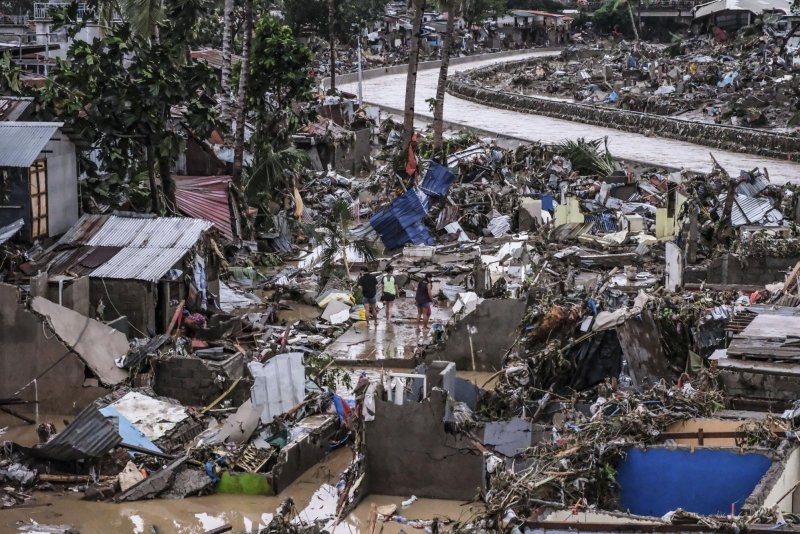
The humanitarian situation in Venezuela has deteriorated, prompting millions to flee the country. According to the United Nations, over 4 million Venezuelans have left their homeland due to the economic collapse and political repression. This mass exodus has not only destabilized neighboring countries but has also posed significant challenges for international relations in the region.
Trump’s strategy includes recognizing opposition leader Juan Guaidó as the legitimate president of Venezuela. This recognition, alongside the imposition of economic sanctions, is part of a broader effort to isolate Maduro’s government. The U.S. has also called on other nations to support Guaidó’s claim, which has led to a split among countries in Latin America.
Regional Reactions to U.S. Strategy
Countries in Latin America are divided in their responses to U.S. actions. Some nations, such as Brazil and Colombia, have openly backed Guaidó, while others, like Mexico and Uruguay, advocate for dialogue rather than intervention. This division highlights the complexities of regional politics and the varying historical relationships with the United States.
Critics of Trump’s approach argue that heavy-handed tactics could exacerbate tensions and lead to further suffering for the Venezuelan people. They call for a more diplomatic approach, emphasizing humanitarian aid and support for democratic processes rather than sanctions and military threats.
Conversely, supporters of Trump’s policy believe that a decisive stance against Maduro is necessary to restore democracy in Venezuela. They argue that the U.S. must take a firm stand against authoritarian regimes in the region to prevent similar crises from emerging elsewhere in Latin America.
The Broader Implications
Trump’s focus on Venezuela signals a potential shift in U.S. foreign policy priorities in Latin America. This strategy may set a precedent for how the U.S. engages with other nations exhibiting authoritarian tendencies. As the geopolitical landscape evolves, the implications of these actions will be felt not only in Venezuela but across the continent.
The situation remains fluid, with Trump’s administration continuing to evaluate its options. The next steps could involve increased diplomatic efforts or further escalations, depending on how the situation unfolds in Venezuela.
Understanding the ramifications of U.S. policy in Latin America is crucial for both regional stability and international relations. As the world watches closely, the future of Venezuela remains uncertain, caught in the crossfire of global power dynamics.