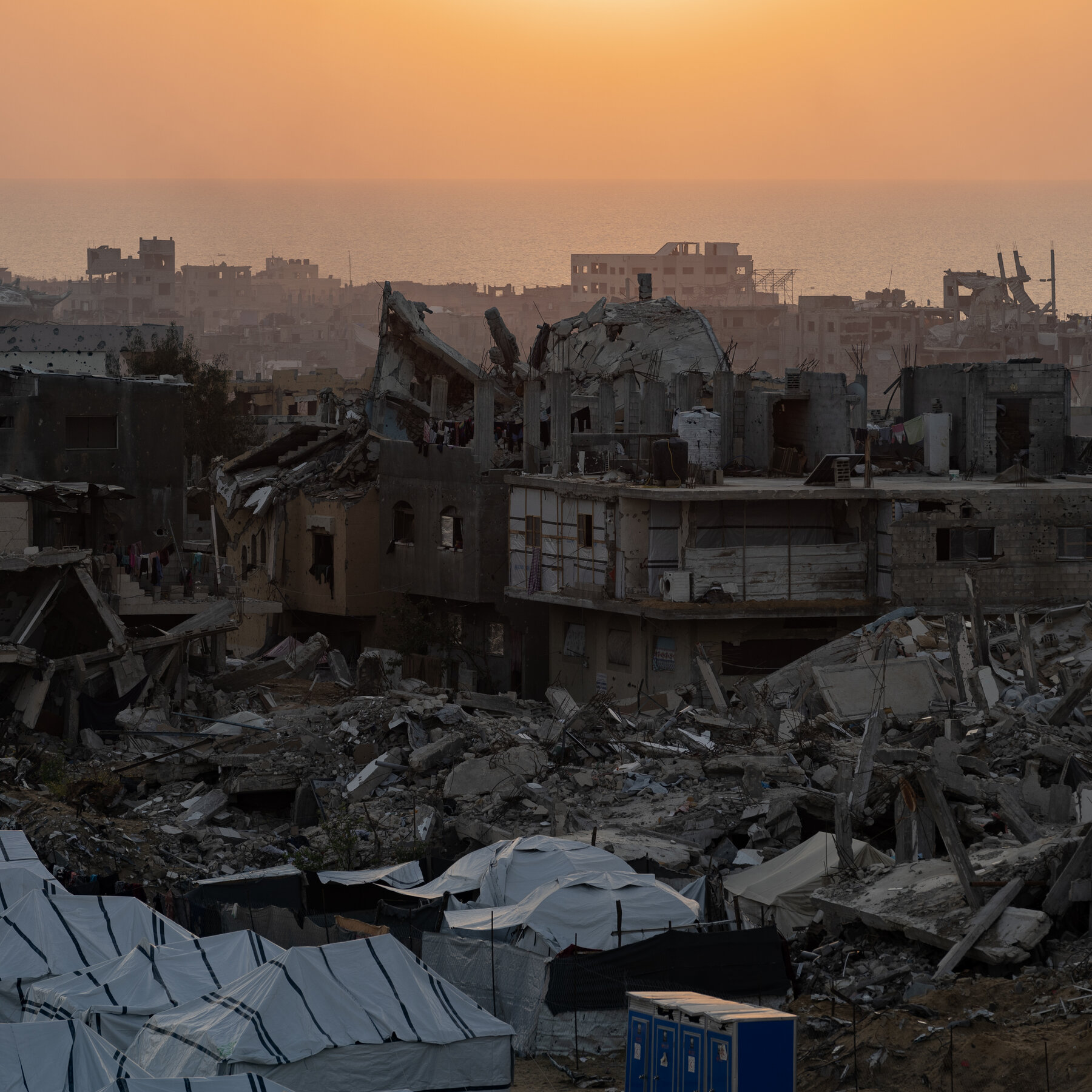
The future of President Donald Trump‘s ambitious 20-point peace plan for Gaza remains uncertain as details continue to emerge. After months of speculation and limited information, the plan is now under scrutiny, with stakeholders eager to understand its implications for the region.
While the goals of the plan aim at establishing a sustainable peace between Israel and Palestine, the absence of clear timelines and actionable steps has left many questioning its viability. As of October 2023, discussions involving the Palestinian Authority and the Israeli government have yet to yield concrete commitments or a framework for implementation.
Unpacking the 20-Point Plan
The proposed plan outlines several critical elements designed to address long-standing issues in Gaza, including economic development, security measures, and humanitarian aid. Key points focus on improving infrastructure and offering financial incentives to encourage cooperation between conflicting parties.
Despite the comprehensive nature of the proposal, critics argue that without an actionable timeline, the plan risks becoming another unfulfilled promise. Observers from the United Nations and various international organizations have expressed concerns about the lack of detail regarding how these goals will be achieved and monitored.
The plan’s supporters, however, remain optimistic. They believe that with the right diplomatic pressure and backing from the global community, the outlined initiatives could lead to meaningful change. Yet, the political landscape in both Israel and Palestine complicates the situation.
Political Dynamics and Reactions
In Israel, the government has shown a cautious interest in the proposal, but political divisions hinder decisive action. Some officials have voiced support for certain aspects of the plan, while others remain skeptical, viewing it as insufficiently addressing security concerns.
On the Palestinian side, reactions have been mixed. Some factions see potential for economic improvement through the proposed initiatives, while others criticize the plan as failing to meet their political aspirations. The ongoing conflict and mistrust between the parties pose significant barriers to any agreement.
As the international community watches closely, the effectiveness of Trump’s 20-point plan will largely depend on the willingness of both sides to engage in dialogue. The next few months are crucial, as stakeholders must navigate a complex web of political interests and historical grievances to foster a conducive environment for peace.
The situation continues to evolve, and stakeholders remain hopeful that the long-discussed plan can shift from concept to reality. If successful, it could mark a significant step toward stability in Gaza and the broader region.