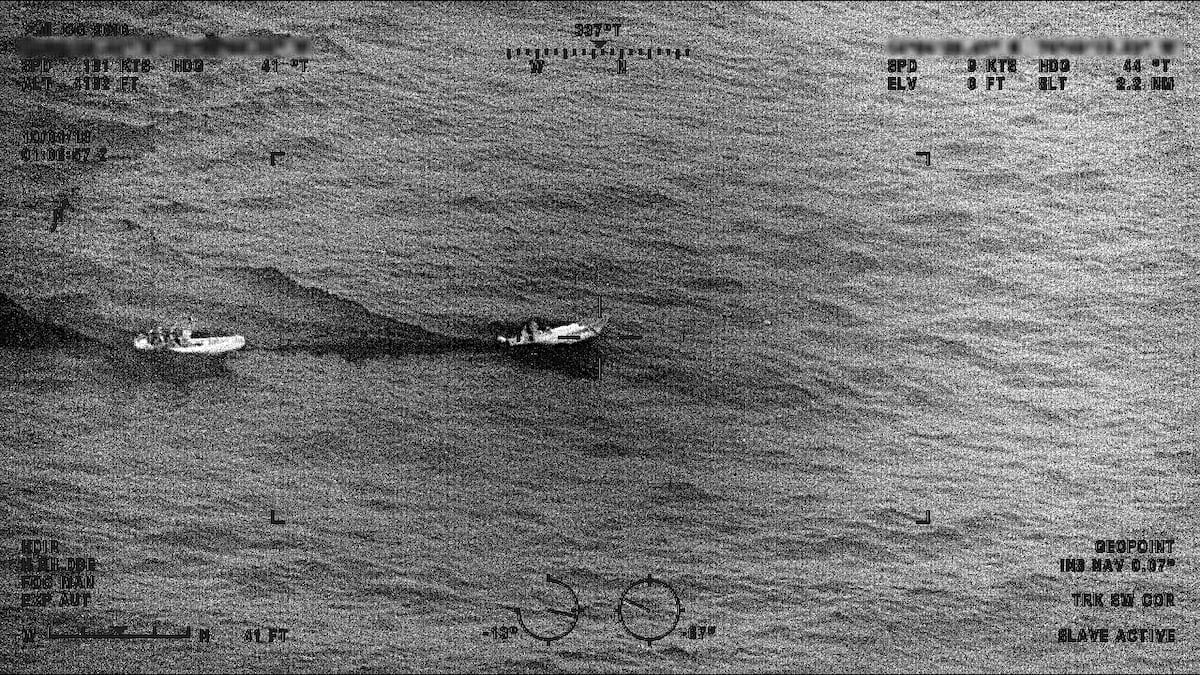
The U.S. Coast Guard has long played a crucial role in patrolling the Caribbean and eastern Pacific to combat drug smuggling. Traditionally, the Coast Guard intercepted and boarded small vessels transporting cocaine and marijuana, adhering to established legal protocols. Recently, however, the Pentagon’s decision to conduct airstrikes against alleged drug boats has shifted the landscape of maritime drug enforcement, raising concerns about legality and operational effectiveness.
Historically, the Coast Guard has been viewed as a law enforcement agency, operating under strict legal frameworks and international cooperation. Its operations have resulted in significant drug seizures while often returning the crews of intercepted vessels to their home countries. This contrasts sharply with the Department of Defense’s recent approach, which targets drug runners as “enemy combatants.” This change has led to high-profile airstrikes that, according to reports, have resulted in at least 99 fatalities as of this week, including 12 deaths just in the past week.
Understanding the Coast Guard’s Traditional Role
The U.S. Coast Guard, a branch of the military with law enforcement authority, has historically been responsible for countering illegal drug trafficking at sea. Coast Guard teams board vessels based on standing legal agreements, seizing contraband and detaining suspected smugglers for prosecution in the U.S. This longstanding operation is built on decades of experience and international agreements.
Brian McNamara, a retired Coast Guard JAG officer and professor at Tulane University, notes that the Coast Guard has been intercepting smugglers for generations, dating back to the Prohibition era when it targeted rumrunners.
Until recently, the military provided support rather than direct engagement in drug interdiction. The Navy shared intelligence and provided logistical assistance, but Coast Guard personnel were the primary operators on the water. Retired Navy JAG officer Mark Nevitt explains that while Navy ships offered capabilities and a larger presence, the Coast Guard maintained leadership in drug enforcement operations.
The Shift in Approach and Its Consequences
The legal landscape governing maritime law is complex and governed by the U.N. Convention on the Law of the Sea, which outlines the rights of nations at sea. Although the U.S. is not a signatory, it typically adheres to its principles. The Coast Guard can board “stateless” vessels in international waters, following strict protocols to engage suspected drug traffickers.
The Coast Guard’s interdiction process involves surveillance, intelligence gathering, and an escalating use of force protocol. This allows them to stop suspected drug boats through verbal warnings and warning shots before resorting to disabling the vessels. McNamara emphasizes the importance of training and protocol, highlighting that the goal has always been to apprehend smugglers alive for intelligence purposes.
Recent changes have led to a new strategy initiated by the Department of Defense, which began airstrikes against suspected drug boats. After the first military strike, Secretary of State Marco Rubio acknowledged that the Trump administration opted to destroy the vessels instead of intercepting them, a significant departure from traditional Coast Guard operations.
The implications of this shift are profound. The Coast Guard continues its counternarcotics patrols, achieving record cocaine seizures, with over 500,000 pounds seized this year alone. Secretary of Homeland Security Kristi Noem praised these efforts, stating that the Coast Guard is saving “countless American lives” by cutting off the flow of drugs.
Experts warn that this new military approach could hinder the Coast Guard’s effectiveness. Countries that have previously collaborated with the U.S. on drug interdiction, such as the UK and Colombia, are expressing concerns about potential violations of international law, leading them to reconsider their cooperation. McSweeney from Ohio State University observes that the trust built over decades is being undermined by military actions.
The Coast Guard remains committed to its mission, but the current environment presents significant challenges. The agency’s traditional methods and collaborative framework have been crucial in fighting drug smuggling, but the introduction of military force raises questions about the future of maritime law enforcement and international relations in the fight against drug trafficking.