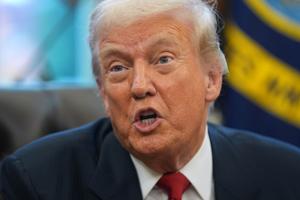
The United States has intercepted another vessel as part of a newly announced “complete blockade” on all sanctioned oil tankers entering or leaving Venezuela. This action follows a declaration by President Donald Trump aimed at intensifying pressure on the government of President Nicolás Maduro. The blockade is part of a broader strategy to disrupt Venezuela’s oil export capabilities, which are crucial for the Maduro administration’s revenue.
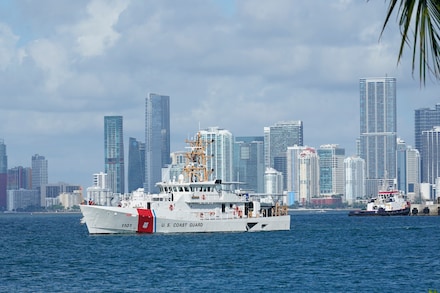
The U.S. Coast Guard reported the interception of a tanker on October 15, 2023, near the Caribbean Sea. This incident marks the latest in a series of enforcement actions targeting vessels allegedly involved in transporting oil from Venezuela, a nation already grappling with severe economic challenges and international sanctions. The blockade seeks to undermine Maduro’s grip on power by cutting off vital financial resources.
The U.S. government has been vocal about its stance on Venezuela, with a commitment to supporting democratic processes in the country. The sanctions, which have been in place for several years, are intended to pressure Maduro to relinquish power and allow for free elections. The blockade represents a significant escalation in this ongoing conflict.
In a statement, the U.S. Treasury Department emphasized that the blockade would remain in effect until Maduro’s government takes steps towards restoring democracy. They reiterated that any vessel found violating the blockade would face serious consequences, including potential legal action against the owners and operators.
According to the U.S. Department of State, Venezuela’s oil exports have plummeted in recent years due to sanctions and mismanagement, falling from over 2.3 million barrels per day in 2015 to fewer than 500,000 barrels per day in recent months. The country, once a powerhouse in the oil industry, now faces crippling shortages of food, medicine, and basic services, as the Maduro administration continues to resist international calls for change.
The implications of this blockade are significant, not only for Venezuela but also for global oil markets. Analysts suggest that a reduction in Venezuelan oil production could lead to fluctuations in oil prices, affecting consumers worldwide. The U.S. is positioning itself as a key player in shaping the future of Venezuela, while also attempting to stabilize its own energy sector amid ongoing geopolitical tensions.
As this situation evolves, the international community watches closely. The potential for increased tensions in the region could have broader implications for U.S.-Latin America relations, particularly as countries navigate their positions on sanctions and support for democratic movements.
In summary, the U.S. blockade against Venezuelan oil tankers signifies a renewed commitment to altering the political landscape in Venezuela. The outcomes of such enforced measures remain to be seen, but the consequences will undoubtedly resonate beyond the borders of Venezuela, influencing diplomatic relations and energy markets globally.