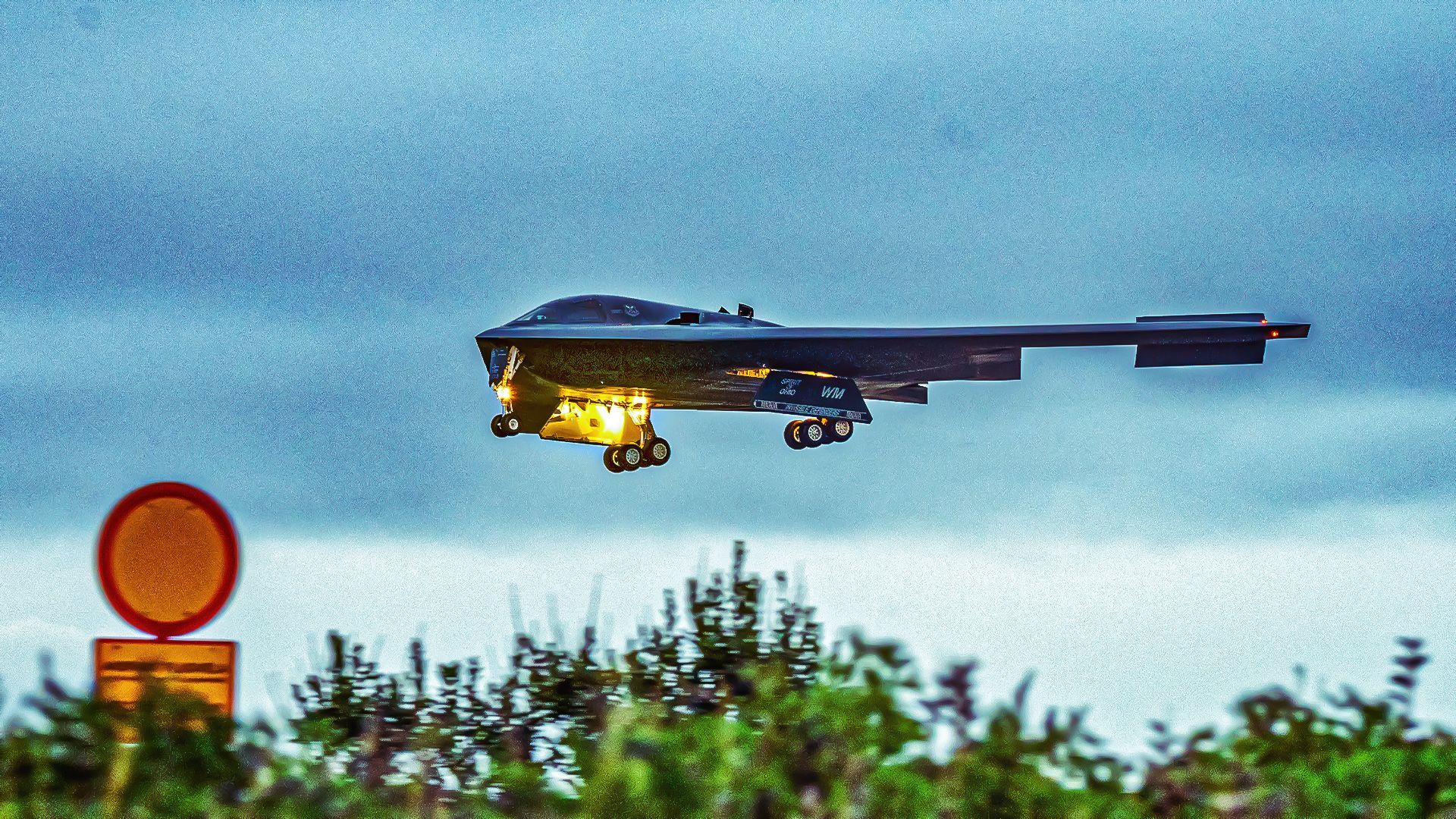
On Saturday, President Donald Trump announced that the United States has initiated “major combat operations in Iran.” This declaration coincides with heightened tensions as Israel reported it was launching a preemptive strike against Iranian targets. The announcement underscores escalating concerns over Iran’s military activities and its implications for regional stability.
In a video statement shared on his Truth Social platform, Trump outlined the objectives of the military operations. He claimed the actions are aimed at protecting American citizens by dismantling “imminent threats” posed by the Iranian regime, which he characterized as a “vicious group” responsible for numerous acts of violence against the United States and its allies.
Details of the Operations
Trump stated, “A short time ago, the United States military began major combat operations in Iran.” He emphasized that Iran’s actions, including the support of terrorist organizations and attacks on U.S. military personnel, necessitated this military response. Citing historical events, he referenced incidents such as the 1983 Beirut barracks bombing and the 2000 USS Cole attack as examples of Iran’s long-standing animosity toward the U.S.
The President asserted that the Iranian regime’s activities have led to an ongoing campaign of terror, impacting not only American forces but also innocent civilians worldwide. He highlighted that Iran’s proxies, including Hamas, were involved in the recent deadly attacks in Israel on October 7, which resulted in over 1,000 fatalities, including 46 Americans.
Trump reiterated the U.S. stance against Iran obtaining nuclear weapons, stating, “It has always been the policy of the United States… that this terrorist regime can never have a nuclear weapon.” He referenced the operation midnight hammer conducted in June, which purportedly targeted Iran’s nuclear facilities at Fordow, Natanz, and Isfahan.
Military Objectives and Regional Impact
In his statement, Trump outlined the goals of the U.S. military operations, including the destruction of Iran’s missile capabilities and naval forces. He warned that Iran’s attempts to rebuild its nuclear program would not be tolerated and that “we will ensure that Iran does not obtain a nuclear weapon.” He emphasized the potential consequences if Iran were to achieve nuclear capability, which he described as a threat to both American and European allies.
Trump acknowledged the risks involved in military operations, stating that U.S. personnel might face casualties. He expressed gratitude for the service members who would be risking their lives to protect American interests, framing the operations as a “noble mission.” He called on members of the Islamic Revolutionary Guard to disarm, offering them immunity in exchange for compliance.
In a direct message to the Iranian people, Trump encouraged them to seize what he termed a historic opportunity for freedom, advising them to remain indoors during the operations and suggesting that the moment was ripe for a change in their government structure.
The unfolding situation marks a significant escalation in U.S.-Iran relations, reflecting decades of tension and conflict. As military operations commence, the international community watches closely, considering the potential implications for global security and diplomacy in the region.