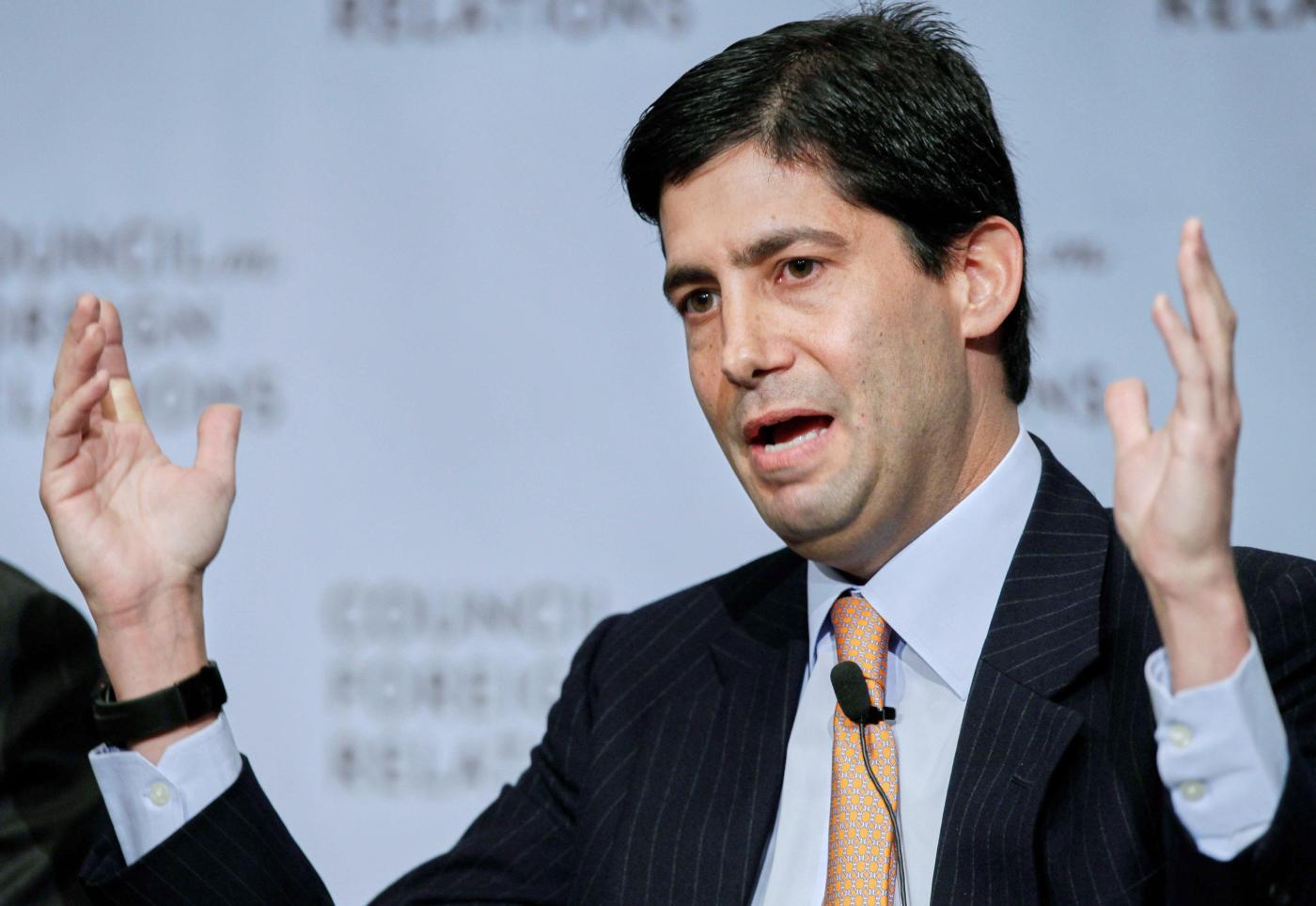
Recent discussions surrounding U.S. policy towards Iran have sparked significant debate among lawmakers and international observers. Critics argue that escalating military actions may not lead to the desired outcomes, pointing to a history of conflict in the region that has not yielded lasting peace.
The notion that military interventions can effectively resolve complex geopolitical issues is increasingly being challenged. Over the past 70 years, various military engagements in the Middle East have often resulted in unintended consequences, complicating the situation rather than resolving it. This historical context raises critical questions about the efficacy of aggressive tactics in achieving long-term stability.
Calls for Diplomatic Engagement
Advocates for diplomacy emphasize the necessity of dialogue over conflict. They argue that a renewed focus on negotiations with Iran could foster better relations and lead to more sustainable solutions. According to a report from the United Nations, diplomatic efforts have previously succeeded in curbing nuclear proliferation, suggesting that peaceful engagement should not be dismissed.
Supporters of this approach contend that military options should be a last resort. They highlight the potential for catastrophic consequences, not only for regional stability but also for global security. Many lawmakers, including members of the U.S. Congress, are calling for a reassessment of current strategies, advocating for a foreign policy that prioritizes negotiation and compromise.
Historical Context and Consequences
The historical backdrop of U.S.-Iran relations is fraught with tension and conflict. Since the 1953 coup that reinstated the Shah, the relationship has oscillated between hostility and cautious engagement. Each military intervention has often exacerbated existing grievances, fueling anti-American sentiment and destabilizing the region further.
For instance, the 2003 invasion of Iraq, which was partly justified by the need to counter perceived threats from Iran, led to a power vacuum that allowed extremist groups to flourish. This outcome exemplifies the complex dynamics at play and the risks associated with military action in an already volatile environment.
As discussions continue, the focus on diplomatic solutions may gain traction. Recent statements from various political leaders underscore the importance of dialogue. Rather than resorting to military might, finding common ground through negotiations could pave the way for a more peaceful future in the region.
In conclusion, the prevailing sentiment among many experts and policymakers is that the path forward lies not in further military engagement but in a commitment to diplomacy. The lessons of history remind us that sustainable peace often requires patience and dialogue rather than conflict. As the situation evolves, the international community will be watching closely to see how U.S. policy adapts to these challenges.