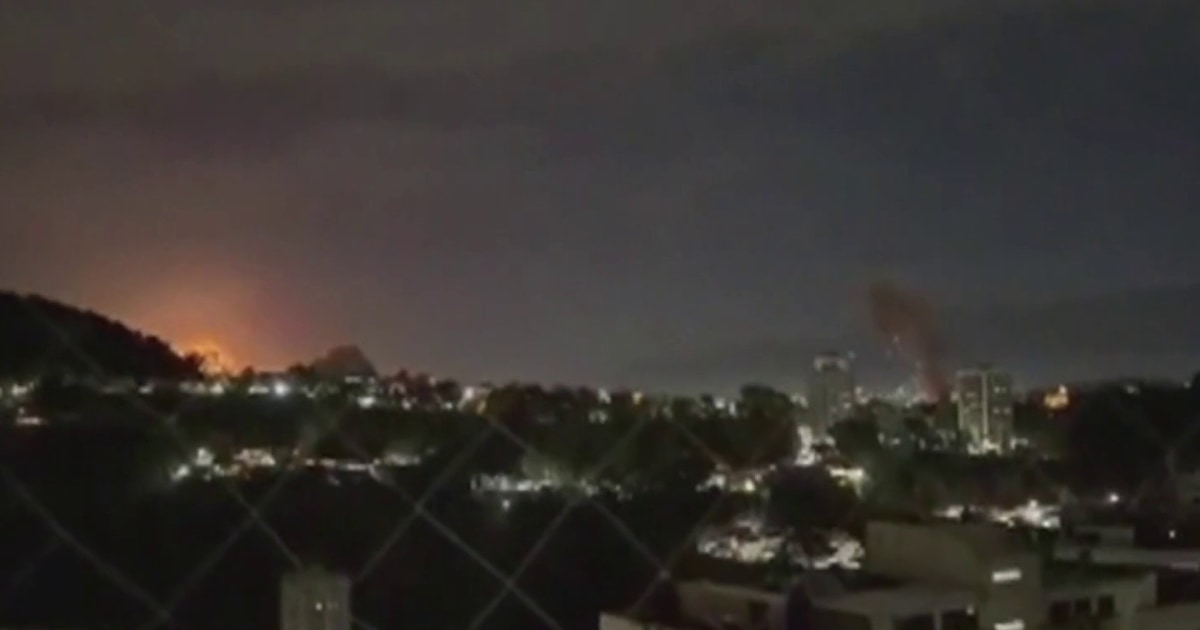
The recent military strikes by the United States in Venezuela have prompted significant international attention, raising questions about potential responses from global allies and adversaries. On January 3, 2026, U.S. forces conducted targeted operations aimed at disrupting activities linked to the Venezuelan government, an action that has drawn immediate scrutiny from countries like Russia and China.
The geopolitical landscape surrounding Venezuela is complex, with both Russia and China having strong ties to the Maduro administration. According to NBC News Chief International Correspondent Keir Simmons, these countries may respond in various ways, ranging from diplomatic protests to increased military support for Venezuela.
Potential Reactions from Russia and China
Russia is likely to voice strong opposition to U.S. actions, given its historical alliance with Venezuela. The Kremlin has previously condemned U.S. interventions in Latin America, viewing them as violations of sovereignty. Analysts suggest that Russia could enhance its military cooperation with Venezuela, potentially providing advanced weaponry or intelligence support.
China, on the other hand, has significant economic interests in Venezuela, particularly in oil and infrastructure. The Chinese government may respond with diplomatic measures aimed at protecting its investments. This could include leveraging its influence within international organizations to rally support against U.S. actions.
Both nations are expected to closely monitor the situation as it unfolds, as their responses could have far-reaching implications for international relations in the region.
Implications for International Relations
The U.S. strikes in Venezuela not only heighten tensions between Washington and Caracas but also complicate relations with major global powers. The ongoing situation may lead to a realignment of alliances, particularly if Russia and China decide to strengthen their military and economic ties with Venezuela.
The U.S. government is likely to face pressure from its allies to justify its military actions. Countries in Latin America, many of which have expressed solidarity with the Maduro government, may criticize the strikes as an infringement on national sovereignty.
As the world watches these developments, the potential for further escalation remains. The U.S. must navigate a delicate balance between demonstrating its commitment to regional stability and avoiding a broader conflict with powerful nations like Russia and China.
In summary, the recent U.S. military intervention in Venezuela has set the stage for a complex interplay of international responses. With significant implications for global politics, the actions of Russia and China will be crucial in shaping the future of the region and its relations with the United States.