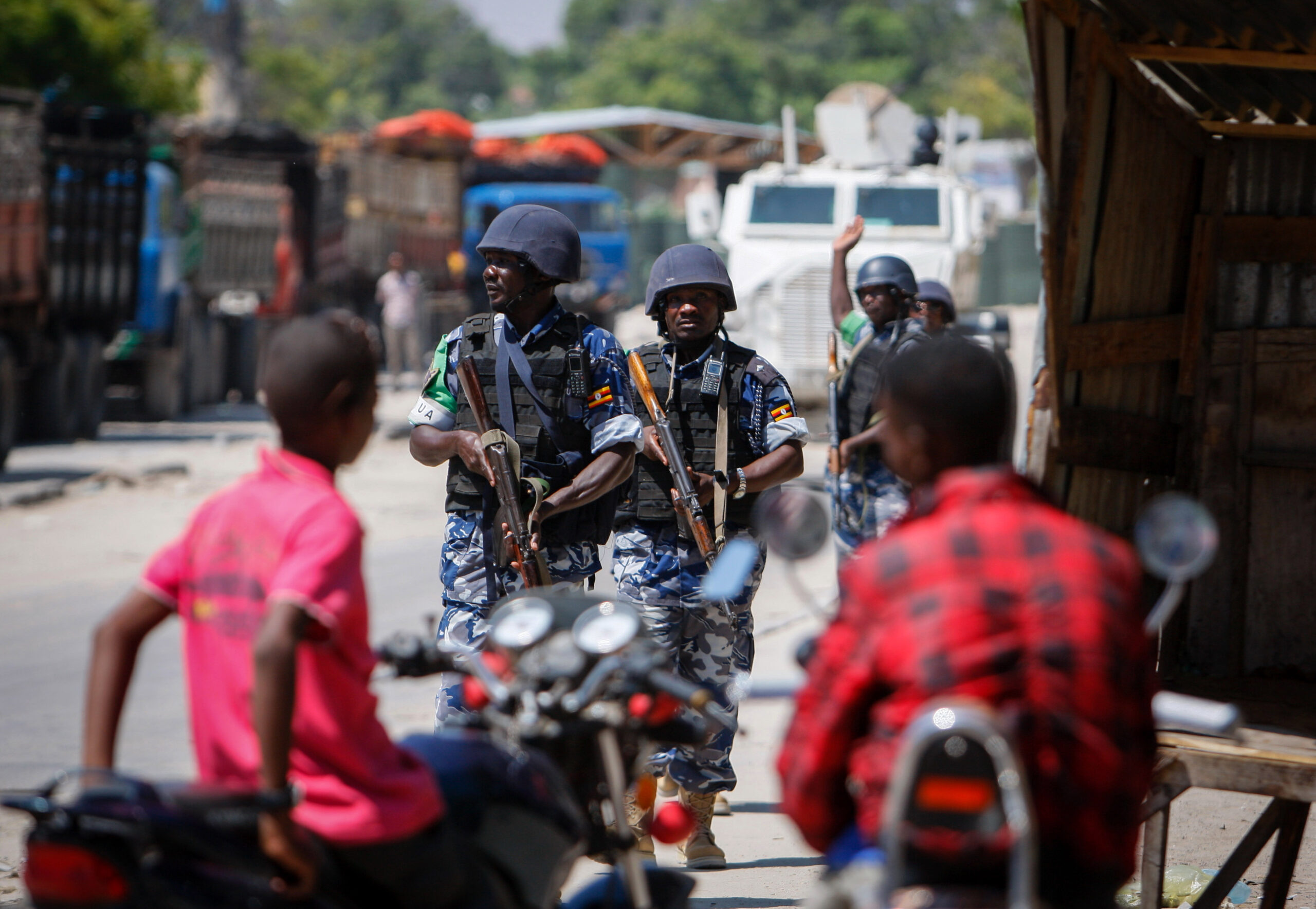
Amnesty International has raised serious concerns regarding the actions of Ugandan security forces, alleging unlawful targeting of opposition rallies with excessive force and arbitrary arrests. Reports indicate that some attendees faced torture and other forms of mistreatment during these events. Documented incidents from November in the areas of Kawempe and Iganga included the use of tear gas, pepper spray, and physical assaults against peaceful demonstrators.
Eyewitness accounts from Kawempe revealed alarming tactics employed by the police, such as the use of dogs to intimidate crowds and the application of rifles as blunt instruments during confrontations. In Iganga, an attendee reported that police blocked an exit with a truck before opening fire on the gathering, leading to at least one fatality and multiple injuries. Over 400 individuals were arrested for attending the rallies or supporting opposition parties, with many facing prolonged detentions.
Human Rights Violations and Calls for Accountability
Tigere Chagutah, the Regional Director for East and Southern Africa at Amnesty International, emphasized the implications of this violence. He stated, “The authorities have launched a brutal campaign of repression against the opposition and its supporters, making it extremely difficult for them to exercise their rights to freedom of association and peaceful assembly.” Chagutah urged the Ugandan government to adhere to its human rights obligations, insisting that opposition groups must be allowed to conduct their activities without fear of arrest, torture, or other forms of ill-treatment.
International law mandates that police forces initially utilize non-violent methods for crowd control. When force is deemed necessary, it must be proportionate to the threat posed and aim to minimize potential harm. Following the violent incidents, Ugandan authorities claimed that police acted in response to stone-throwing and vandalism by rally attendees. However, eyewitnesses contend that the crowds were peaceful, with many participants simply carrying the national flag.
Political Context and Ongoing Tensions
As the political landscape heats up ahead of the upcoming elections on January 15, 2024, national rallies have continued. President Yoweri Museveni, who has been in power since 1986, appears intent on stifling the campaign of leading opposition candidate Robert Kyagulanyi Ssentamu, commonly known as Bobi Wine. Wine has voiced concerns over the suppression of his supporters, describing the current campaign climate as resembling a battlefield. He stated, “Our campaign is not the ordinary campaign. We are almost at war. You can see the soldiers and vehicles deployed. These people even knock and kill our supporters.”
In a recent address, Museveni discussed his lengthy tenure and motivations for his campaign but did not directly address the criticisms regarding the repression of political rivals. Amnesty International has called for impartial and thorough investigations into the alleged abuses, advocating for fair trials and a prohibition on the death penalty.
The United Nations Human Rights Chief, Volker Türk, has similarly urged the Ugandan authorities to investigate the reported incidents and put an end to the repression of dissent. This call for accountability is vital, particularly in light of Uganda’s history of political crackdowns during previous election cycles, including a notable incident involving internet shutdowns in 2021.
With tensions escalating and the political atmosphere charged, the need for the Ugandan government to respect human rights and allow peaceful political expression has never been more critical. The eyes of the international community remain fixed on Uganda as the nation approaches a pivotal moment in its political journey.