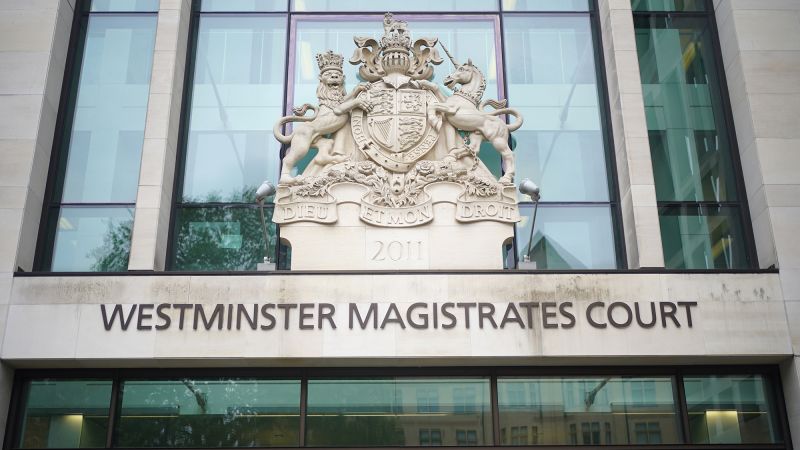
The UK government is moving to reform its jury trial system as it faces a significant backlog of criminal cases. Announced by Justice Secretary David Lammy earlier this month, the proposed changes will create a new tier of jury-free courts for cases where defendants face sentences of up to three years, including charges such as fraud, robbery, and drug offenses. This shift has raised concerns among legal experts and advocates about the potential erosion of a fundamental right that dates back centuries.
Currently, the UK justice system is struggling, with nearly 80,000 criminal cases pending in Crown Courts, a number projected to rise to 100,000 by 2028. The backlog includes 13,238 cases involving sexual offenses, as per government data. Victims often wait years for their cases to be heard, leading to frustrations and suffering.
The new reforms will not affect Scotland or Northern Ireland, which maintain separate legal systems. Additionally, less severe offenses, such as motoring violations, will continue to be processed without juries. Critics of the proposal argue that this change could lead to less equitable outcomes in the justice system.
Public Reaction and Expert Opinions
Victims have expressed their concerns regarding prolonged waits for justice. One assault victim described the emotional toll of waiting for legal proceedings, stating, “The police told me that the CPS (Crown Prosecution Service) were unlikely to prosecute… because of the court backlog.” Another victim of stalking shared her experience of living in fear while waiting for her case to go to trial, highlighting the impact of delays on her mental health.
Sarah Sackman, Minister of State for Courts and Legal Services, defended the reforms, stating in the House of Commons that “justice delayed is justice denied.” As the government seeks to address the crisis, some experts attribute the backlog largely to delays exacerbated by the Covid-19 pandemic. Lachlan Stewart, a criminal barrister based in Birmingham, noted that the system was already under strain before the pandemic and has struggled to recover since.
Despite the government’s push for reform, there has been significant political pushback. Robert Jenrick, Conservative MP and Shadow Justice Minister, has criticized the proposal as a “disgrace” that undermines an “ancient right” to a jury trial. The concept of trial by jury in the UK traces back to the Magna Carta in the 13th century, highlighting its historical significance in safeguarding individual rights.
Polling data reflects public sentiment, with a November 2025 YouGov survey indicating that 54% of respondents preferred a jury to decide their verdict if accused of a crime. Helena Kennedy KC, a Labour member of the House of Lords, expressed her concerns regarding the motivations behind the proposed reforms, suggesting it stems from a belief among some politicians that “ordinary folk are not up to it.”
Calls for Alternative Solutions
There are also calls within Parliament for alternative solutions to address the backlog. Recently, 39 Labour Party backbenchers wrote to Prime Minister Keir Starmer, urging him to reconsider the reforms. They highlighted the potential to increase the number of court sitting days, which is currently limited despite a capacity crisis. They stated, “Around 130,000 sitting days are available to the courts, yet, despite a capacity crisis, sitting days are restricted by 20,000 a year.”
Advocates for victims, including organizations like Rape Crisis England & Wales, have long called for urgent reform in how sexual offense cases are handled. They emphasize the need for improvements in the current process, which often re-traumatizes survivors. A report from the organization revealed that many survivors face significant delays and multiple trial postponements, leading some to withdraw from the prosecution entirely due to the overwhelming stress.
While the government hopes that the new jury-free courts will alleviate the backlog and expedite justice for victims of serious crimes, experts like Stewart caution that there is no concrete evidence to suggest that these reforms will resolve the underlying issues plaguing the justice system. “There’s no data to show that the reforms will actually make the system more efficient,” he stated, indicating that further investigation into the system’s challenges may be necessary to achieve effective solutions.
As the UK navigates these proposed changes, the debate continues over the balance between expediency in the courts and the preservation of fundamental rights. The outcome of this reform effort will likely have lasting implications for the justice landscape in the country.