The United States and Israel initiated joint military operations against Iran on February 28, 2026, marking a significant escalation in tensions across the Middle East. This campaign is aimed at destabilizing Iran’s leadership, dismantling its missile and naval capabilities, and inciting a popular uprising. Initial reports indicate a swift and intense response from Iran, which has reportedly targeted U.S. interests and allied positions throughout the region.
Following the coordinated strikes, a representative from Iran’s Islamic Revolutionary Guard Corps (IRGC) announced that vessels in the area received warnings prohibiting all maritime traffic through the Strait of Hormuz. This strait is critical, as it facilitates the passage of approximately 20% of the world’s oil supply. The Iranian government’s retaliation underscores the immediate risks associated with this military escalation.
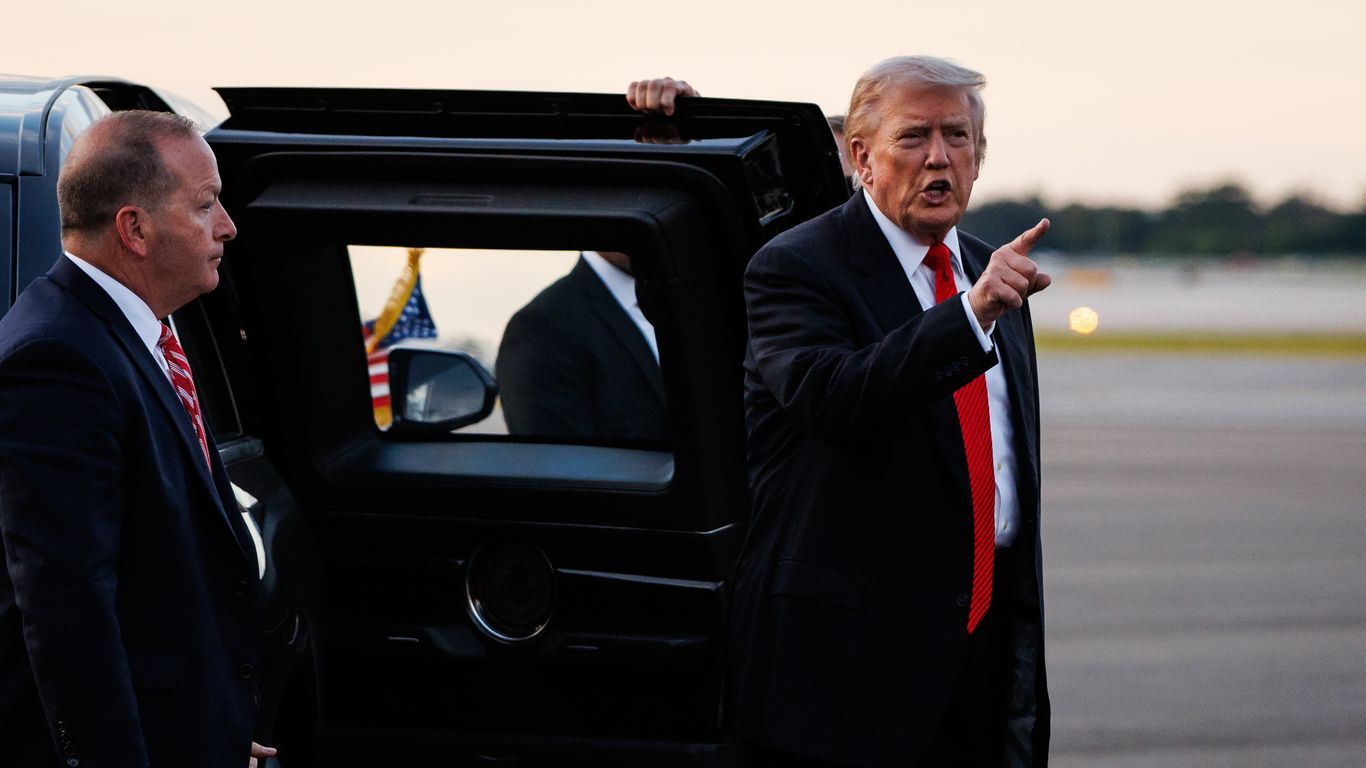
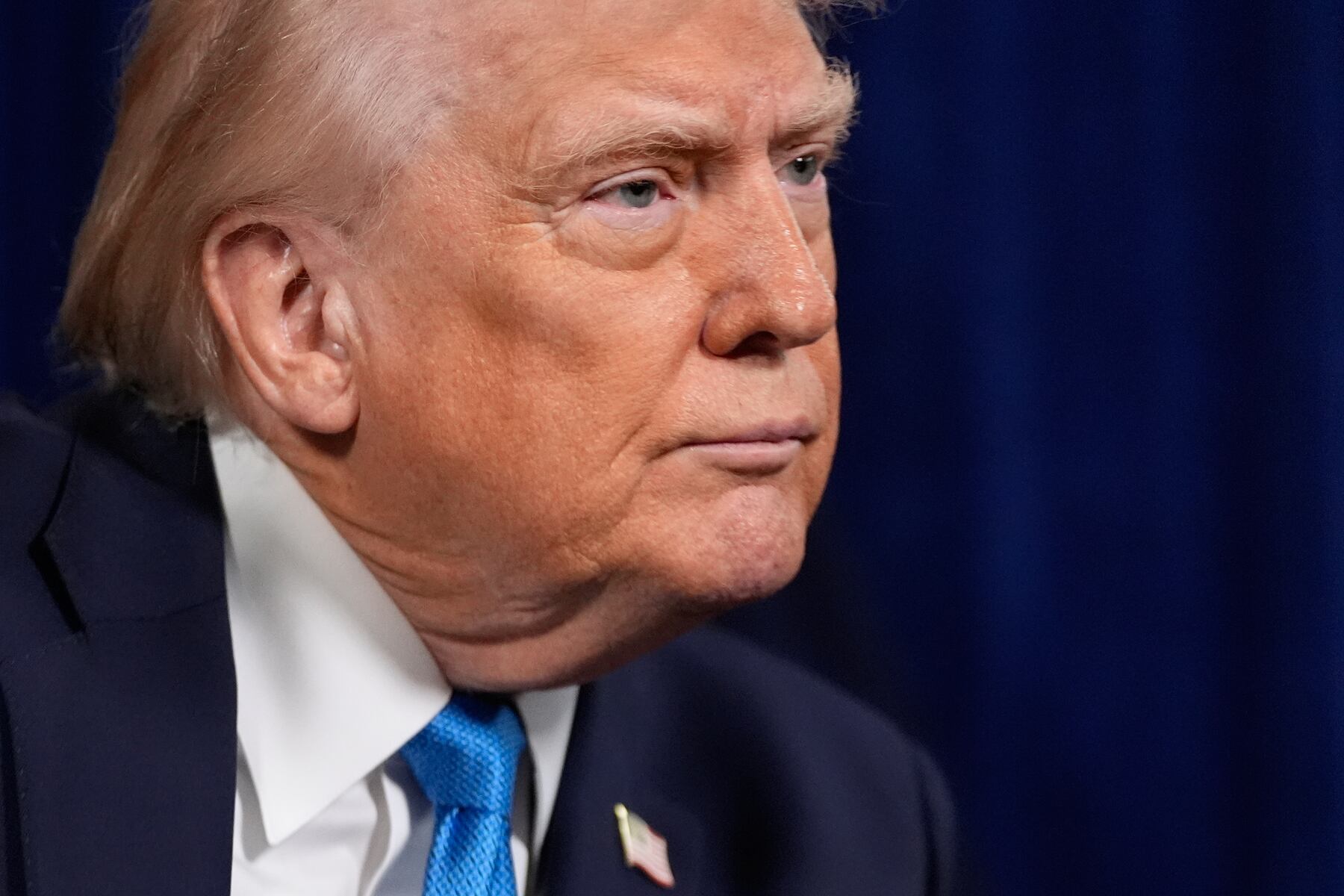
President Donald Trump characterized these military actions as essential to countering an imminent threat from Iranian missiles aimed at the U.S. homeland. However, classified intelligence assessments reportedly contradict this assertion. According to a 2025 unclassified report from the Defense Intelligence Agency, while Iran could theoretically develop a “militarily-viable” intercontinental ballistic missile (ICBM) by 2035, there is currently no active program targeting the United States.
Iran does maintain a robust arsenal of short- and medium-range ballistic missiles that pose threats to U.S. military bases and personnel in the Gulf region. Recent retaliatory strikes by Iran emphasize the reality of these capabilities. Yet conflating these regional threats with an ICBM program misrepresents the strategic landscape and risks miscalculations by U.S. policymakers.
As discussions of regime change in Iran gain traction, historical precedent suggests caution. The complexity of such an endeavor would far exceed previous military interventions in the region. Iran’s territory is approximately six times larger than Iraq, with a population of around 92 million, presenting significant military and logistical challenges.
Successful regime change typically relies on several key factors: elite support, credible opposition, and defections within military ranks. To date, none of these elements appear to be present in Iran. The political miscalculations made by U.S. leadership may prove to be more significant than military ones. Trump’s reliance on overwhelming force—deploying aircraft carriers and advanced weaponry—could fail to yield the desired capitulation from Tehran.
In a stark ultimatum, Trump stated, “I say tonight that you must lay down your weapons and have complete immunity, or in the alternative, face certain death.” This declaration reflects a misunderstanding of Iranian resolve. Iranian leaders may believe they can withstand conflict, especially in the absence of U.S. ground troops. Surrender could weaken their domestic support and jeopardize their political survival.
In retaliation, Iran has launched a series of ballistic missile and drone strikes targeting U.S. military installations across the Persian Gulf, including assets in Qatar, the UAE, Kuwait, Bahrain, Syria, Jordan, and Iraq. Investigative journalists Jeremy Scahill and Murtaza Hussain reported these developments, highlighting the immediate dangers of escalation.
Historical evidence indicates that air campaigns alone often fail to achieve regime change, as seen in the U.S. interventions in Yemen, which cost over $7 billion without dislodging the Houthis. The broader implications of the current military actions could lead to destabilization, resource depletion, and renewed entanglement in the Middle East.
The ongoing U.S. military strategy mirrors past interventions characterized by preemptive strikes not supported by imminent threats and executed without congressional approval. This familiar pattern raises concerns about the long-term consequences for Iran, its population, and the surrounding region.
By significantly increasing military assets while lacking a diplomatic pathway, Washington may have inadvertently exacerbated the risk of prolonged conflict. The coming weeks and months will determine whether the situation is defined by deterrence, further escalation, or miscalculation, with the potential for serious repercussions extending far beyond the initial military engagements.