Arkansas Sees Explosive Increase in Alpha-Gal Syndrome Amid Tick Season
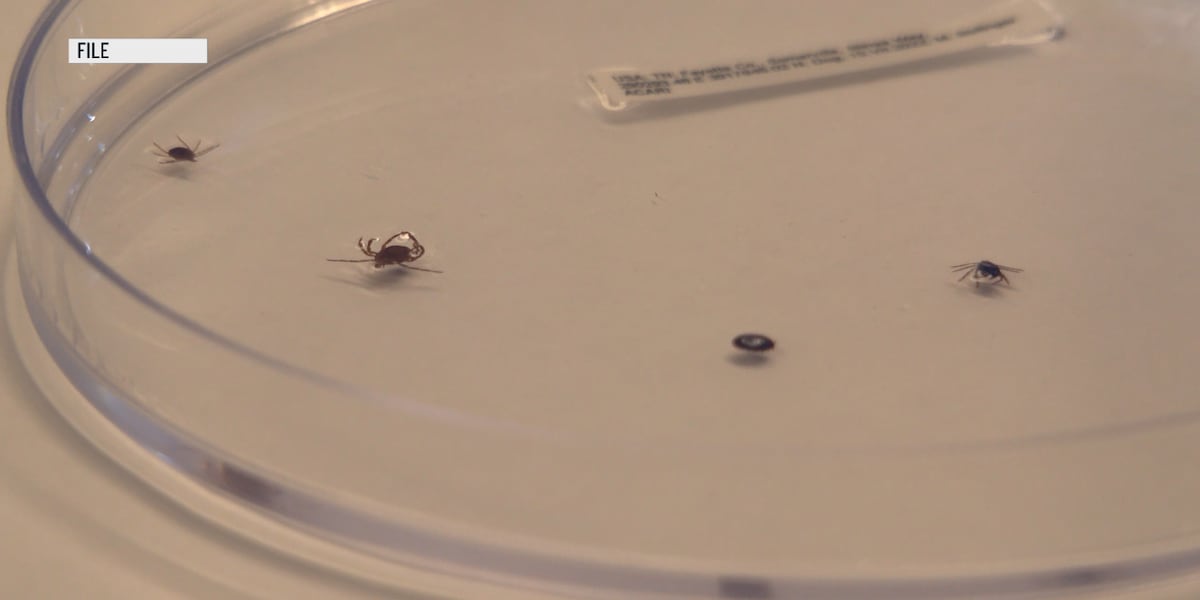
Ticks are actively spreading across Arkansas this spring, leading health experts to issue urgent warnings about a mysterious and potentially severe allergic reaction to red meat caused by tick bites. Dr. Shane Speights, dean at the New York Institute of Technology at Arkansas State, revealed a dramatic surge in cases of Alpha-Gal Syndrome, a condition linked specifically to bites from the Lone Star tick.
Recent data from the Arkansas Department of Health confirms an alarming jump in Alpha-Gal Syndrome cases, with 344 confirmed or probable cases in 2026, compared to just 70 cases in earlier years. This jump signals a growing public health threat as more people head outdoors this season.
Understanding Alpha-Gal Syndrome: A Hidden Danger
Alpha-Gal Syndrome is an allergic reaction triggered when the Lone Star tick injects a sugar molecule called alpha-gal into the bloodstream. This reaction causes victims to develop severe allergies to red meat, including steak and hamburgers, sometimes leading to violent illness. Dr. Speights warns the allergy can last a long time and potentially devastate quality of life for those affected.
“Even a small bite of red meat can trigger a violent response,” Dr. Speights explained. “It can last for years and drastically affect someone’s diet and lifestyle.”
Ticks in Arkansas aren’t just carriers of Alpha-Gal Syndrome. Dog ticks, deer ticks, Gulf Coast ticks, and Lone Star ticks can spread other illnesses, such as Rocky Mountain spotted fever and Lyme Disease. Dr. Speights points out that tick exposure risks are highest in the deep woods of northeast Arkansas and near rivers like the Spring River and other large bodies of water.
Urgent Medical Advice for Tick Bites
Medical experts urge people to seek prompt medical attention if a tick remains attached for more than 36 hours. Timely treatment with antibiotics can prevent serious infections.
“If the tick has attached for more than 36 hours, we recommend initiating antibiotic treatment promptly,” said Dr. Speights.
People are advised to carefully remove ticks using tweezers, lifting gently at the tick’s back until it lets go, to avoid leaving parts embedded in the skin that could cause infection.
How to Protect Yourself This Tick Season
Despite these risks, Dr. Speights emphasizes that ticks should not deter outdoor activities. Instead, he recommends precautions such as wearing light-colored clothing, pants, high socks, and boots. Avoiding tall grass and showering within two hours after returning indoors also significantly reduce tick attachment risks.
“Prevention is key,” Dr. Speights advised. “Removing ticks quickly reduces the chance of infection and illness.”
Relevance for Alabama and the U.S.
Although this spike in Alpha-Gal Syndrome is officially documented in Arkansas, the Lone Star tick’s range spans several Southern states, including Alabama. Residents of Alabama and neighboring states need to be equally vigilant with these emerging tick-borne risks this spring.
Health officials nationwide are monitoring Alpha-Gal Syndrome closely as cases increase, warning of possibly more widespread allergic reactions linked to ticks. With outdoor season in full swing, timely awareness and action can prevent serious health consequences.
What’s Next?
Public health authorities continue tracking tick bite-related illnesses and urge immediate reporting of suspicious symptoms such as fever, chills, aches, pains, or rashes after tick exposure. Increased education efforts on tick-bite prevention and early treatment are underway to combat the rising tide of Alpha-Gal Syndrome and other tick-borne diseases.
Stay alert, take protective measures, and if you experience symptoms following a tick bite, seek medical care without delay to avoid complications from this growing health threat.