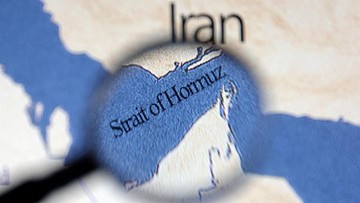
Iran has closed the vital Strait of Hormuz on February 17, 2024, amid escalating tensions with the United States. This strategic waterway, through which approximately 20% of the world’s oil passes, has become a focal point in the ongoing standoff between the two nations. The closure coincides with military exercises conducted by Iranian forces, signaling Iran’s readiness to respond to perceived threats.
The United States has recently increased its military presence in the Gulf region, prompting Iran to take this defensive measure. According to the Iranian Navy, the military drills were designed to showcase their capabilities and deter any potential aggression. The Iranian government has expressed its concerns regarding US operations in the area, viewing them as direct provocations.
Strategic Importance of the Strait of Hormuz
The Strait of Hormuz is a critical passage for global trade, particularly in oil transportation. Each day, millions of barrels of oil flow through this narrow corridor, making it a key point of interest for both regional and international powers. The closure not only affects Iranian shipping but also has potential implications for global oil prices and supply chains.
Iran’s military exercises included maneuvers that demonstrate their naval strength, including the deployment of warships and submarines. The Iranian government insists that these actions are necessary to protect their sovereignty and national interests. The military drills are seen as a show of force, reinforcing Iran’s position in a region marked by longstanding geopolitical tensions.
Implications for Global Markets
The closure of the Strait of Hormuz could have immediate ramifications for global oil markets. Analysts are closely monitoring the situation, as any long-term disruption could lead to higher prices and increased volatility. The U.S. Energy Information Administration has highlighted that fluctuations in oil supply from this region can significantly impact the global economy.
In response to Iran’s actions, the United States has reiterated its commitment to ensuring freedom of navigation in international waters. Officials have emphasized the importance of maintaining open sea routes for global trade. As the situation develops, both nations are likely to engage in further diplomatic negotiations to address underlying tensions.
The ongoing military exercises and the closure of the Strait of Hormuz mark a significant escalation in the regional conflict. The international community is watching closely, as any miscalculation could lead to broader confrontations in the Gulf region. As of now, both Iran and the United States remain firm in their positions, leaving the prospect of resolution uncertain.