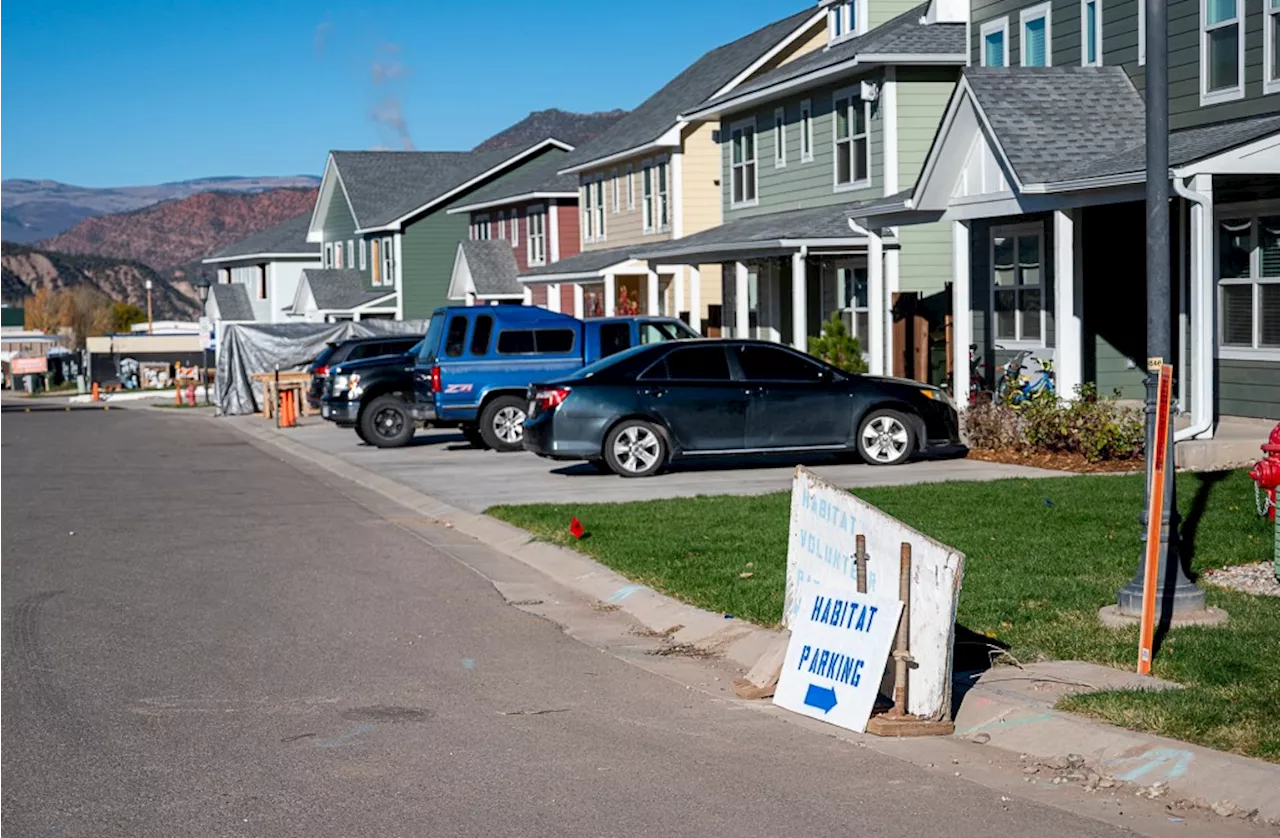
Colorado is on the verge of a significant change in affordable housing policy with House Bill 1308, designed to split residential lots and create more attainable homeownership opportunities in established neighborhoods.
Advocates like Jesselina Cordova, a Habitat for Humanity homeowner in Denver’s Cole neighborhood, are calling for lawmakers to swiftly pass the bill. Cordova, speaking from personal experience, describes how Habitat Metro Denver has transformed her outlook on owning a home – a dream once thought out of reach for many young Coloradans.
“I urge legislators to vote yes on HB 1308 and support more opportunities for attainable homeownership for people like me,” Cordova said. The bill proposes allowing a single residential lot to be subdivided into two homes where zoning permits, unlocking new housing options without altering neighborhood character.
Land Use Rules and Lot Splitting: A Path to Stability
Habitat for Humanity Metro Denver has demonstrated the success of building homes on smaller and split lots, efficiently using residential land to address soaring housing costs. Between 2019 and 2021, Habitat built 20 units, doubling production to 40 units projected through 2024 despite pandemic challenges.
Outdated zoning and land-use regulations often increase costs and restrict development of affordable housing. HB 1308 aims to update these rules, reducing land acquisition expenses and lowering barriers for homebuyers.
As Cordova explains, “Stable homeownership brings predictability and stability to communities. Homeownership should not be limited to those who can afford large lots and high land prices.” The bill is positioned as a practical solution that supports existing neighborhoods while expanding affordable housing supply.
Why Now? Remote Work and Shifting Perspectives on Community
The COVID-19 pandemic has reshaped residential and work patterns, particularly in places like Denver where remote work has become deeply embedded. Cordova reflects on how this shift freed her from daily car commutes and broadened her view of neighborhood life.
“Without the daily drive, I’ve asked myself how cars became so ingrained in my subconscious,” she said. “I find myself imagining streets with more balance—and spaces for community hubs instead of parking lots.”
This perspective aligns with HB 1308’s goal: making smarter, denser land use possible to foster closer-knit communities and more affordable homes simultaneously.
Local and National Relevance for Alabama and Beyond
While this legislation is rooted in Colorado’s housing crisis, its lessons resonate nationally, including in Alabama. Cities across the U.S. face growing housing shortages and affordability challenges. Policies enabling lot splitting and more efficient land use are emerging as vital parts of the solution mix.
Allowing property owners and developers to create additional homes on existing lots can reduce sprawl and ease supply constraints—critical in a time when housing prices and rents are skyrocketing across many regions.
Next Steps and What to Watch
HB 1308 is currently pending before the Colorado legislature, with strong advocacy from Habitat for Humanity and housing advocates. Passage could set a precedent for innovative affordable housing policies that districts nationwide might emulate.
For Alabama readers, this highlights the urgent need for local governments and state lawmakers to reconsider zoning restrictions that limit housing supply and price accessibility.
Housing experts warn that failing to adapt land-use rules risks further marginalizing residents priced out of their communities. Stable homeownership is tied to stronger local economies, better schools, and healthier neighborhoods—making HB 1308 a model worth watching closely.
“I urge legislators to vote yes on HB 1308 and support more opportunities for attainable homeownership for people like me,” Cordova emphasized.
The time for states across America to rethink housing policy is now, and Colorado’s HB 1308 signals a promising step toward expanding affordable homeownership through practical zoning reform.